
A Hockey Match as a Symbol of the Crisis
A recent hockey game between the two countries in Montreal vividly demonstrated the growing tension. Canadian fans booed the American national anthem, and a fight broke out between players immediately after the puck drop.
Chris Cuthbert, a commentator for Canada’s Sportsnet channel, stated: “If there were any doubts about how intense this rivalry has become, they have now been erased.”
For Canada, where hockey is a national pride, this incident reflects more than just sports rivalry—it highlights deep political and social tensions that have intensified in recent months.
How Trump's Rhetoric Changed Canada
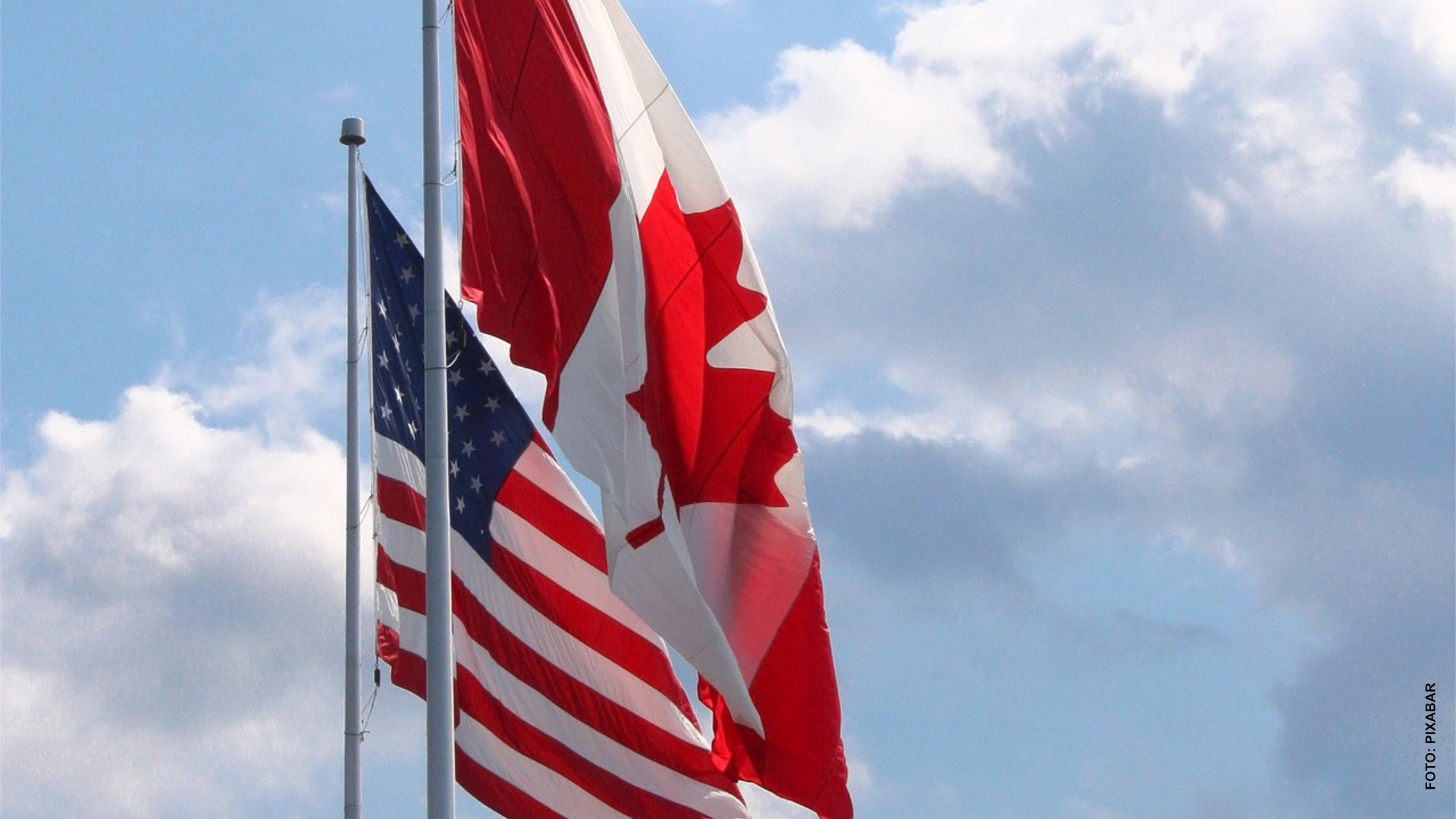
The tension escalated after Donald Trump threatened to impose new tariffs on Canadian goods, suggesting that Canada was too dependent on the American economy. These statements were perceived in Canada as a direct threat to national sovereignty.
Gerald Butts, former senior advisor to Prime Minister Justin Trudeau and vice chairman of the consulting firm Eurasia Group, commented: “We are facing a reality where the US is no longer a reliable partner but rather a threat to Canadian sovereignty.”
Lana Payne, president of Canada’s largest private-sector union, Unifor, emphasized: “Even if Trump never implements the tariffs, his rhetoric has already forced Canada to reconsider its dependence on the US. There is no turning back now.”
Boycott of American Goods and Declining Tourism
One of the most notable consequences of the crisis has been the rise of anti-American sentiment among Canadians. In major provinces like Ontario, Quebec, and British Columbia, local businesses have launched campaigns to boycott American products.
Additionally, travel agencies report a 25% drop in the number of Canadians booking trips to the US. This could lead to significant financial losses for the US economy, as millions of Canadians previously visited the US each year.
Another symbol of the protest movement is the growing popularity of a blue baseball cap with the slogan "Canada is Not for Sale." This accessory has become a public statement against the policies of the White House.
Experts remain divided on the future of US-Canada relations. Some believe that the situation may normalize after a change in the US administration, while others argue that the current crisis has caused irreversible damage.
Mark Rivers, a political analyst at the University of Toronto, stated: “Even if the US government changes its approach, Canada is already adjusting its strategy for greater independence. This is a long-term process that won’t be reversed overnight.”
As a result, the current tensions between the two countries are not just a temporary conflict but may mark the beginning of a new era in their relationship, with Canada seeking alternative paths to growth without its former dependence on the US.
The editorial board is not responsible for the content and accuracy of material taken, sent or obtained from other sources. The publication of such materials is for informational purposes only and does not imply automatic endorsement or approval of their content.






Пікірлер (0)
Пікір қалдыру үшін жүйеге кіріңіз.
Бірінші болып пікір қалдырыңыз.