Iranian supertanker passage calls blockade into question
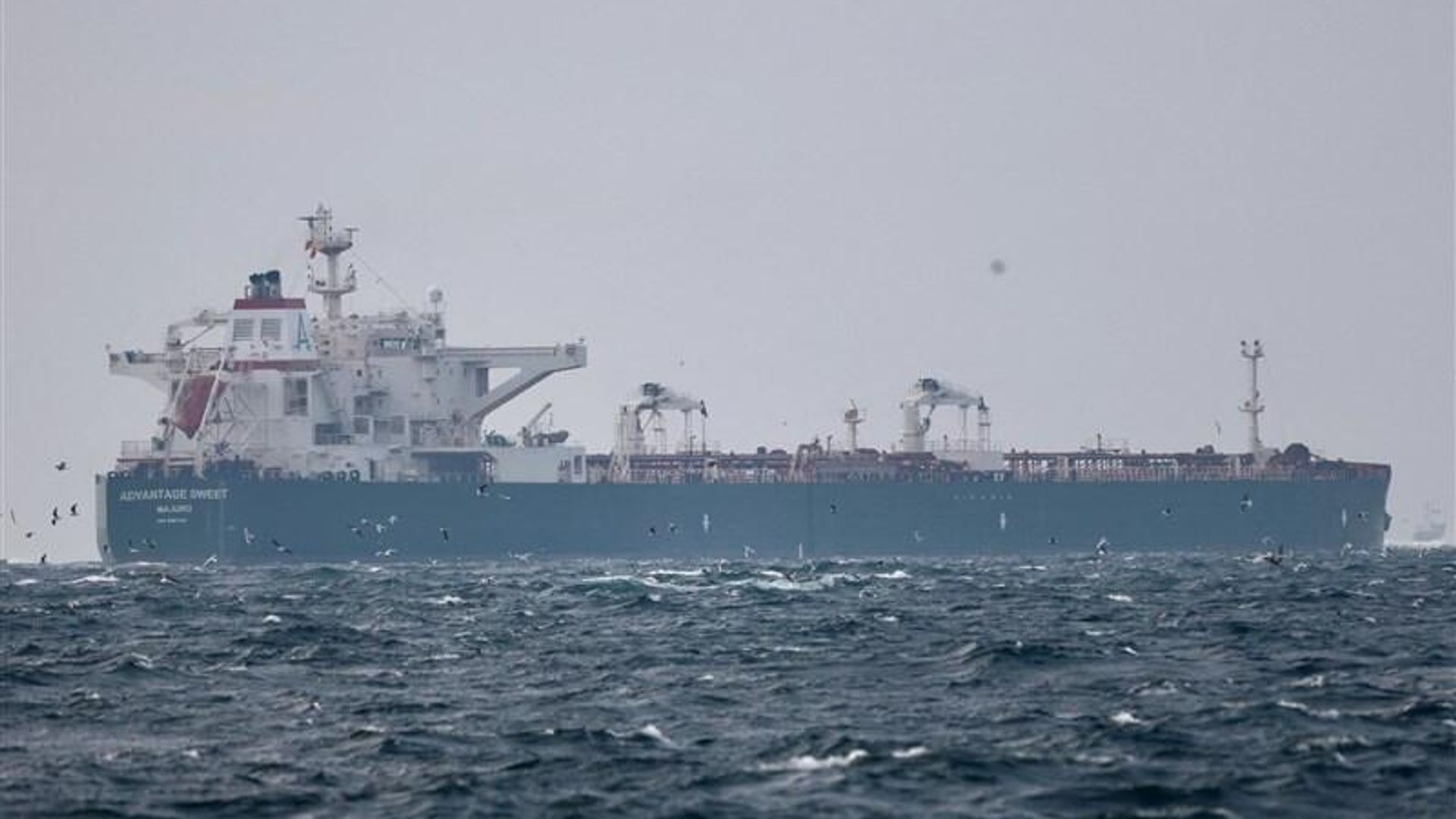
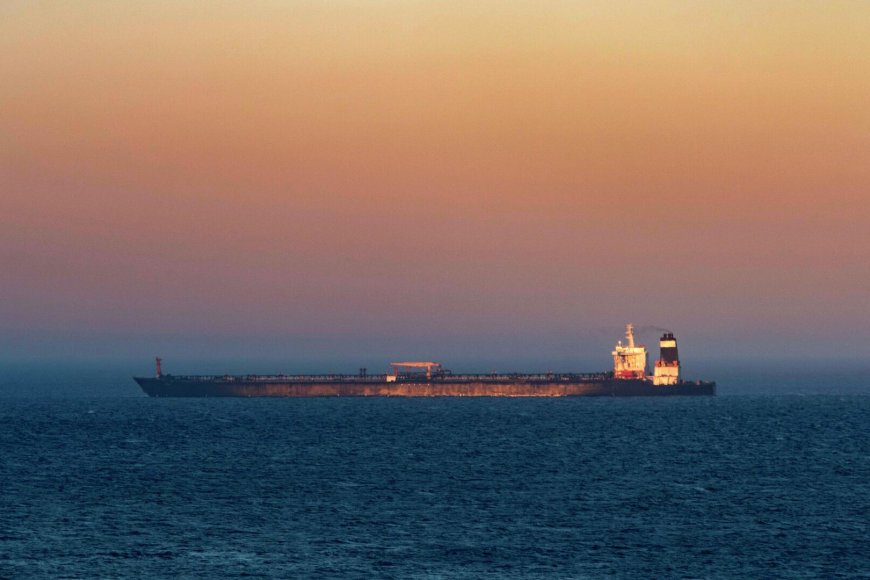
The public transit of an Iranian supertanker through the Strait of Hormuz demonstrates the limitations of blockade claims and raises questions about the actual mechanisms of maritime control.
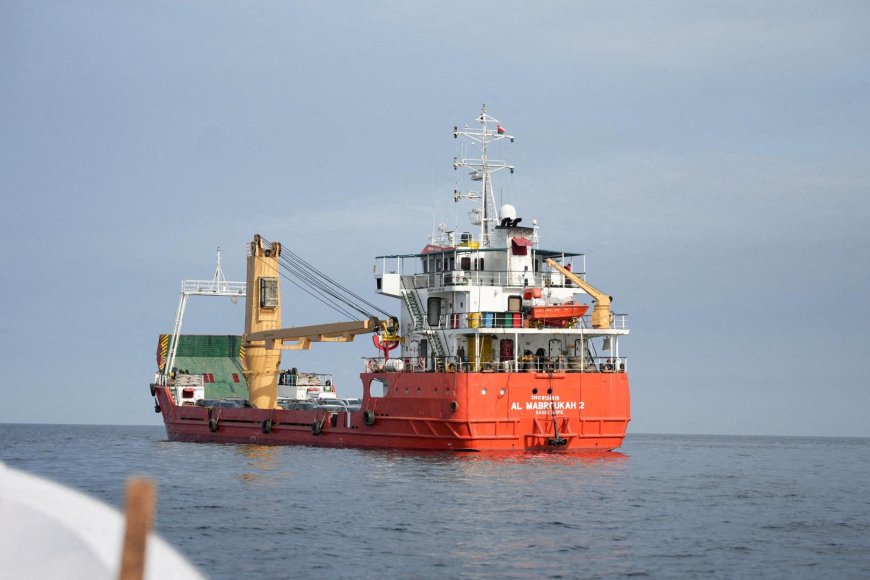
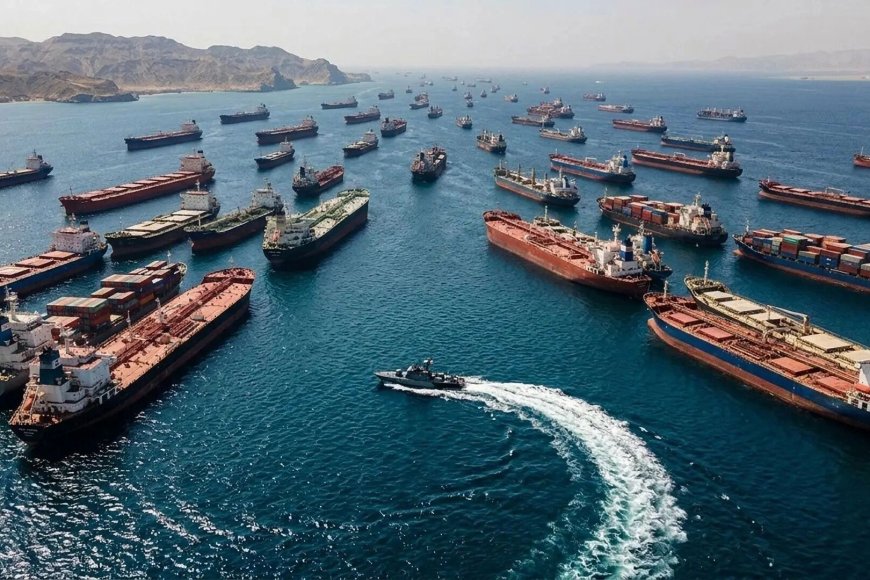
The public transit of an Iranian supertanker through the Strait of Hormuz demonstrates the limitations of blockade claims and raises questions about the actual mechanisms of maritime control.
Reports that the American blockade of Iranian ports is primarily aimed at China indicate that the conflict is expanding beyond the bilateral confrontation between the United States and Iran.

A statement by China’s defense minister regarding the presence of its navy in the Strait of Hormuz area signals Beijing’s readiness to protect its energy routes and economic agreements with Iran.

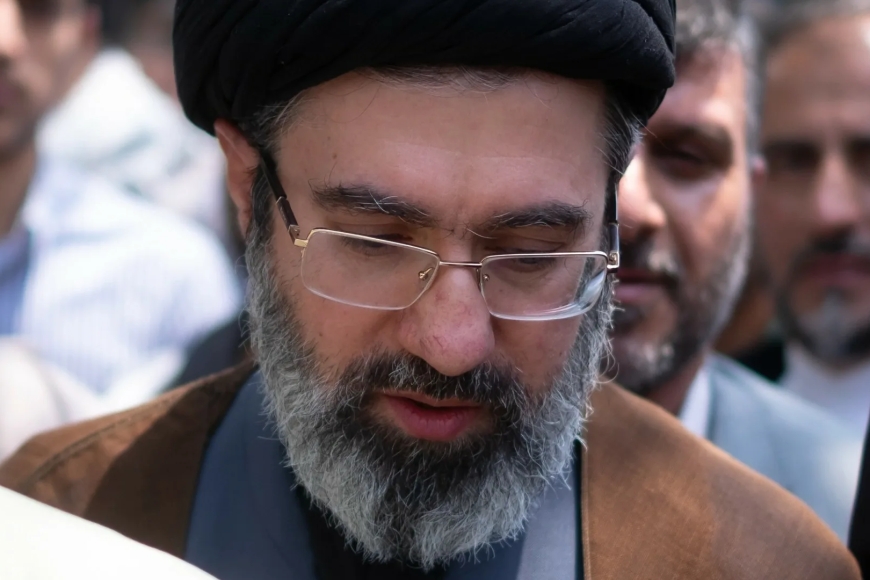
The fortieth day after the death of Iran’s Supreme Leader Ali Khamenei was not chosen for a public statement by chance. In the Shiite tradition, this date symbolizes the completion of mourning and the transition to a new stage. Mojtaba Khamenei’s address effectively consolidates the idea of continuity and sets a framework for further mobilization of society.

Tehran put forward a ten-point initiative to reduce tensions with the United States, rejecting an alternative American plan that included restrictions on its nuclear and missile programs.

Iranian naval forces have detained a tanker flying the Marshall Islands flag in the Strait of Hormuz and escorted it into Iranian territorial waters. The incident marks the first such case in recent months and has drawn attention amid ongoing regional tensions.

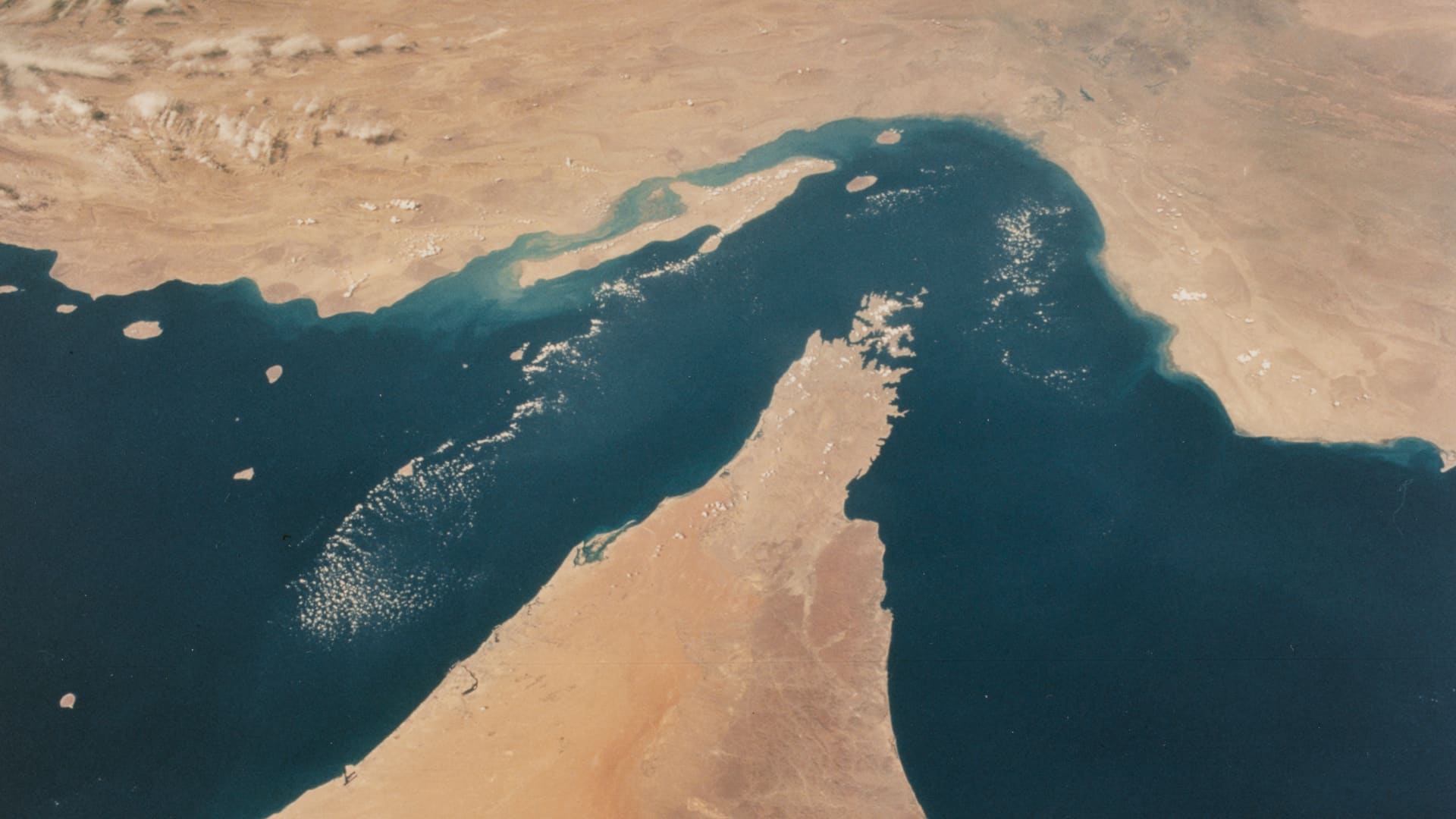
Tehran is considering closing the Strait of Hormuz in response to actions by Israel and the West. Electronic interference already poses a threat to maritime navigation.
Жобаны қолдаудың ыңғайлы әдісін таңдаңыз.
Үшінші тарап сайттарына сілтемелер қауіпті болуы мүмкін. Өтпес бұрын мекенжайды тексеріңіз.