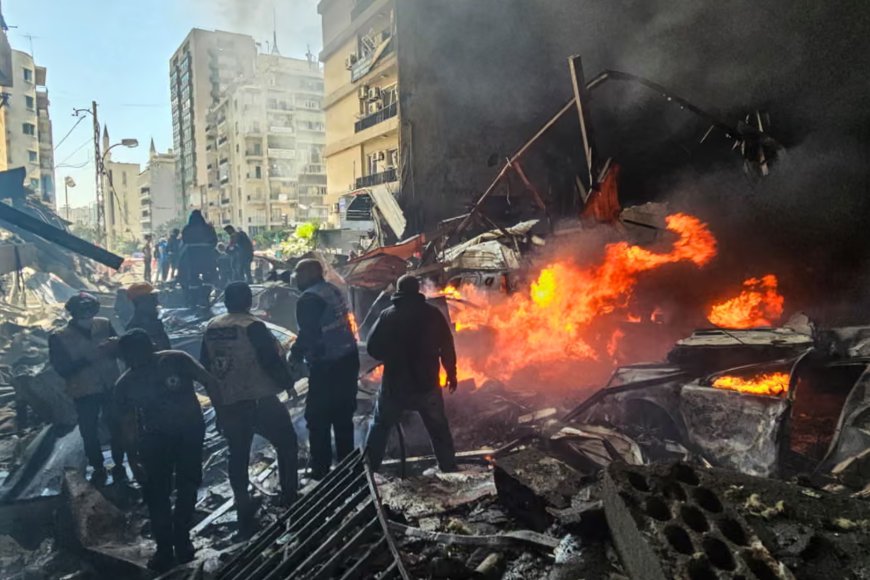
Strikes on Lebanon come under Netanyahu’s personal control
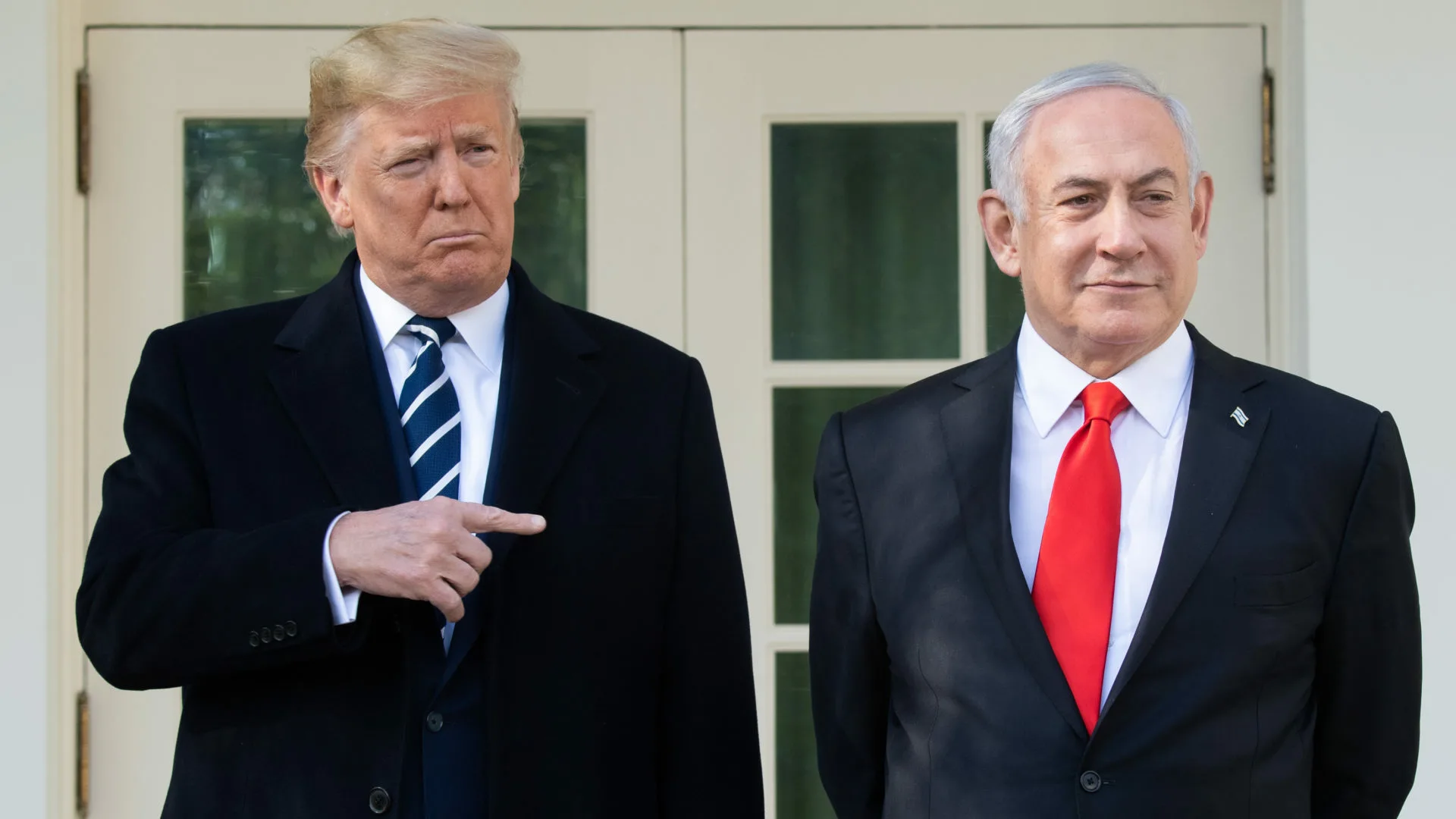
After a conversation with Donald Trump, Israel’s strategy regarding Lebanon changed. Decisions to carry out strikes on Beirut now require the personal approval of the prime minister.
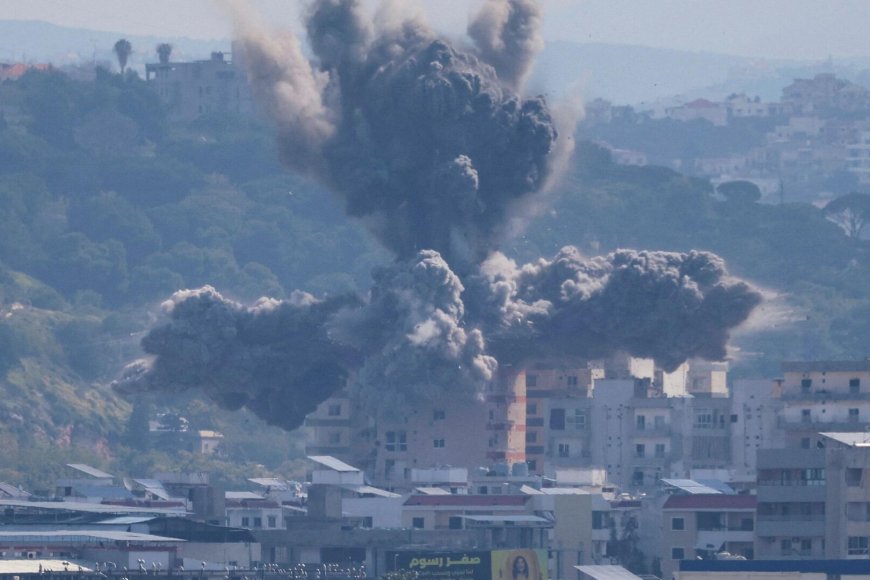
After a conversation with Donald Trump, Israel’s strategy regarding Lebanon changed. Decisions to carry out strikes on Beirut now require the personal approval of the prime minister.
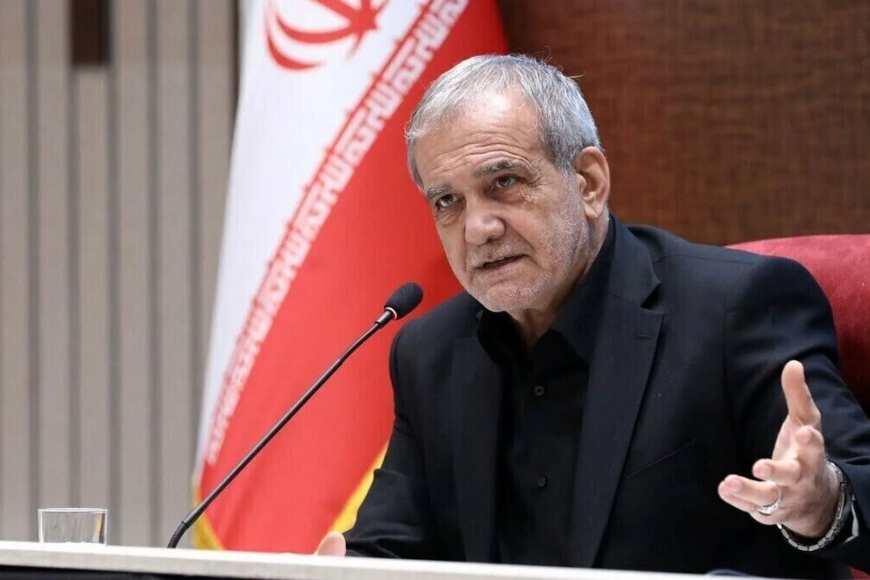
Iranian President Masoud Pezeshkian stated that the resumption of strikes on Lebanon undermines the purpose of negotiations and warned of the country’s readiness to take retaliatory action.

An Israeli representative stated that a ceasefire in Lebanon is not planned. At the same time, negotiations with the Lebanese government are expected to begin in the coming days.

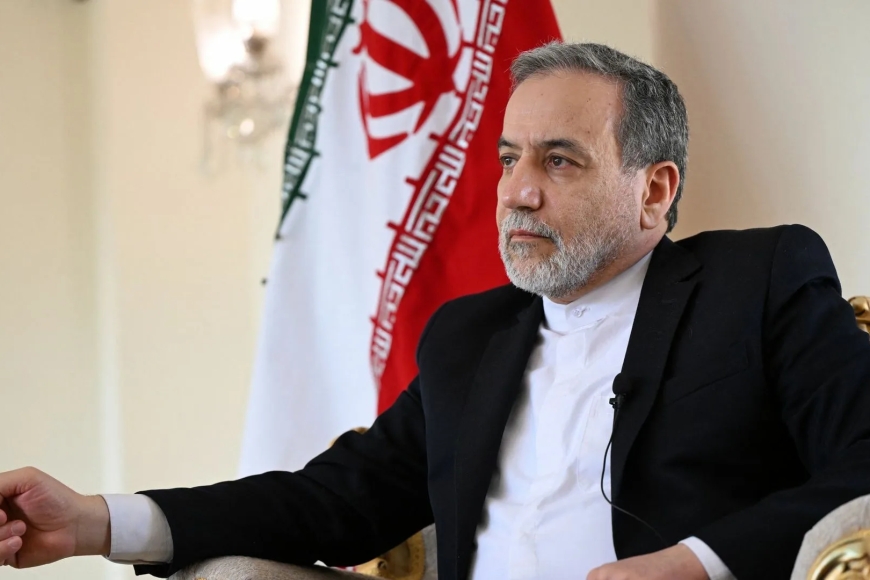
Iranian Foreign Minister Abbas Araghchi stated that Washington must choose between a ceasefire and continued conflict, emphasizing that the two approaches cannot be combined.

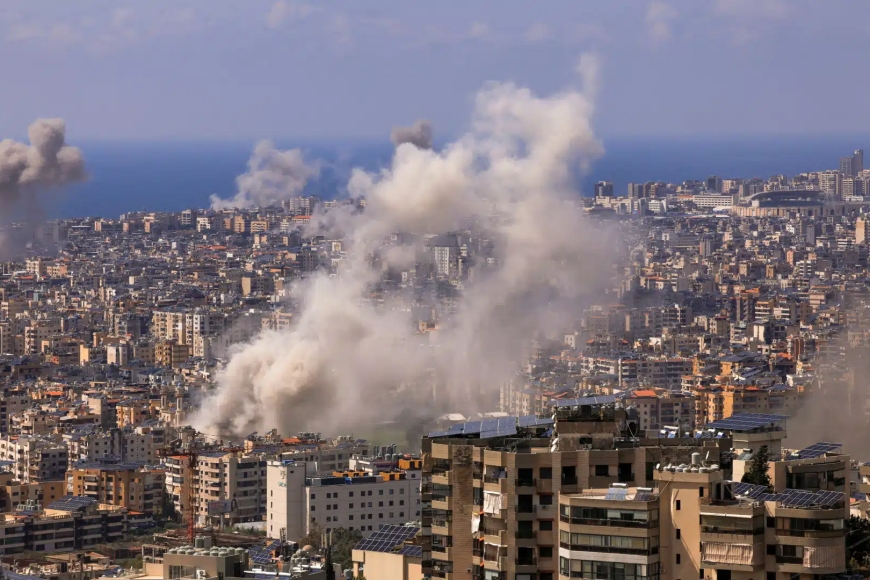
Dozens of airstrikes were carried out across Lebanon, reportedly resulting in numerous deaths and injuries. The strikes affected areas previously considered relatively safe.

Experts state that the conflict around Iran could affect the entire Eurasian region and shift the balance of power in global logistics and security.

Amid rising tensions around Iran, experts state that bombings do not achieve military objectives and pose risks to civilians and the entire region.

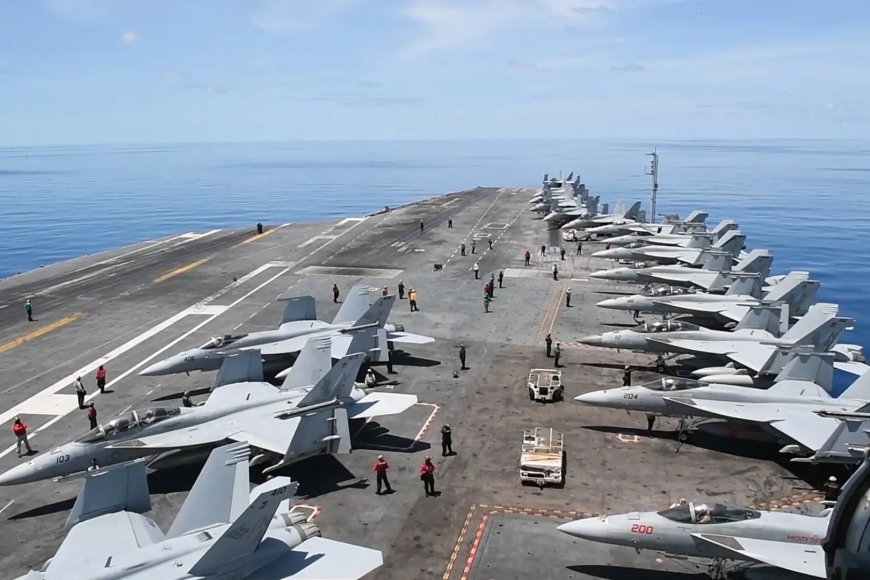
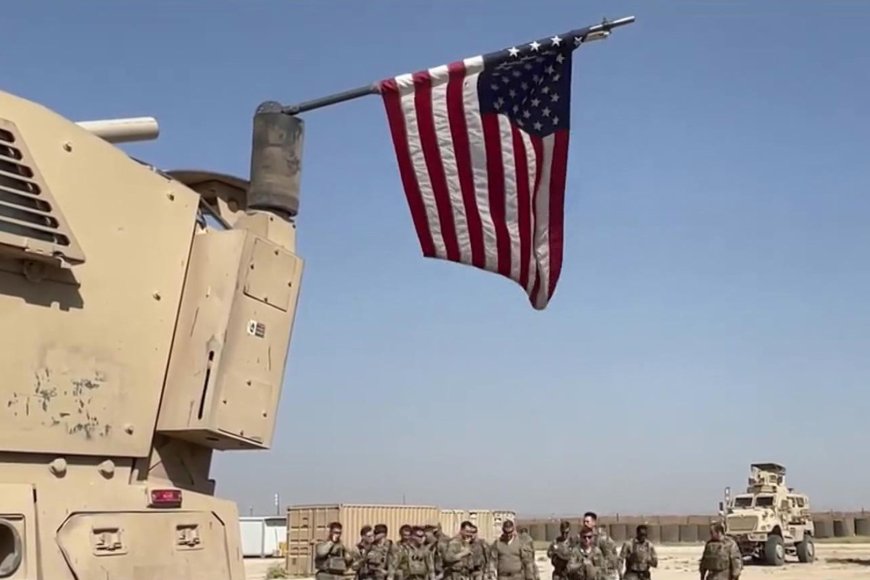
Washington is strengthening its military presence in Western Asia, expanding its capacity for a force-based scenario against Iran amid rising regional tensions.

Statements about the possible approval of limited military actions against Iran indicate that a force-based scenario remains part of US strategy and increase uncertainty about further escalation.

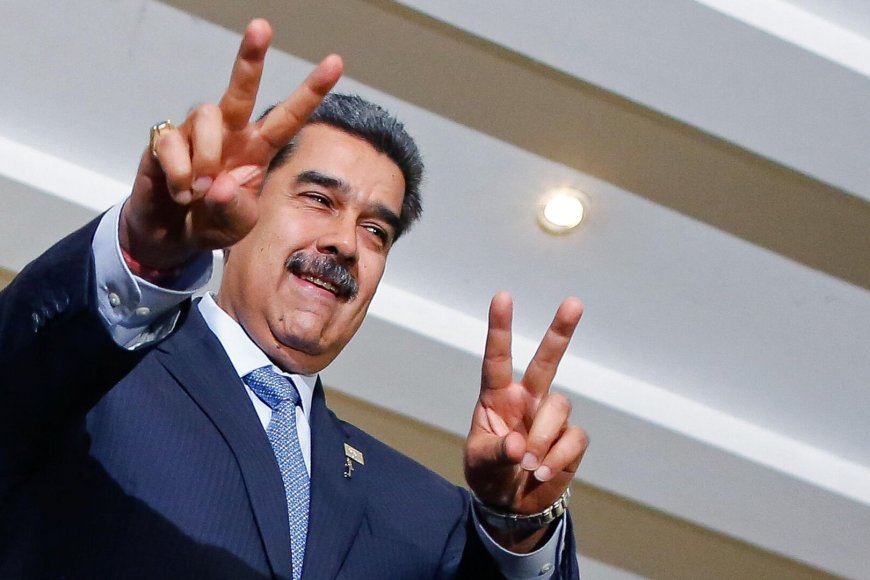
Reports about the Trump team’s reaction to Maduro’s public appearances show how symbolic gestures influenced the escalation around Venezuela.

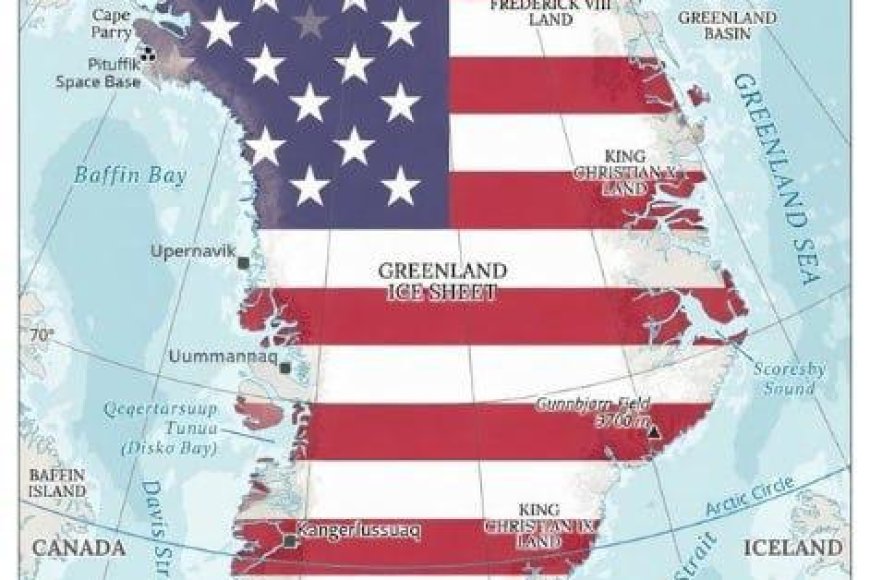
A post featuring a map of Greenland in the colors of the U.S. flag sparked concern beyond Denmark. Against the backdrop of events around Venezuela, it is perceived as a signal of a possible new escalation in American policy.

A statement by the Speaker of Iran’s parliament followed Trump’s remarks about the acceptability of strikes on Iran and heightened tensions over the risk of escalation.

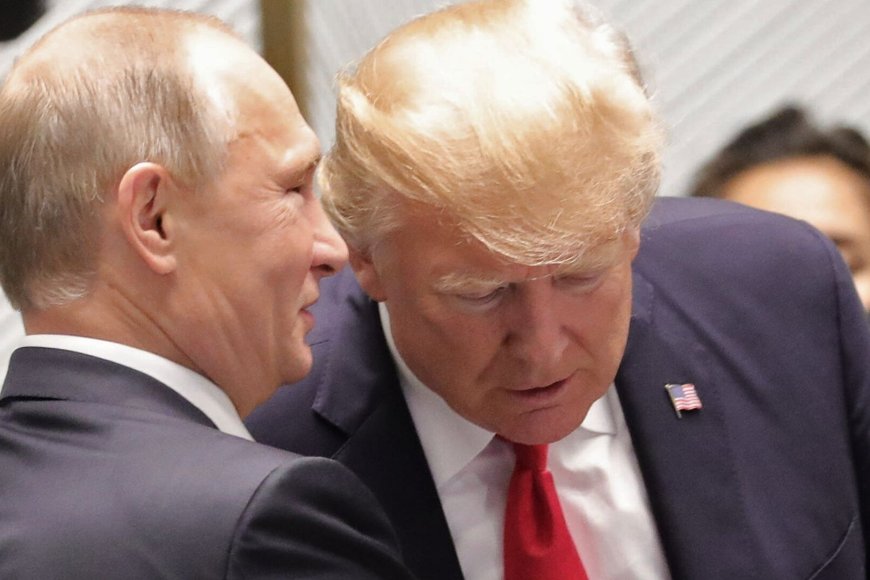
Putin’s message to Trump about an attack on the Russian president’s residence came amid recent U.S.–Ukraine talks and increased uncertainty over possible retaliatory steps.

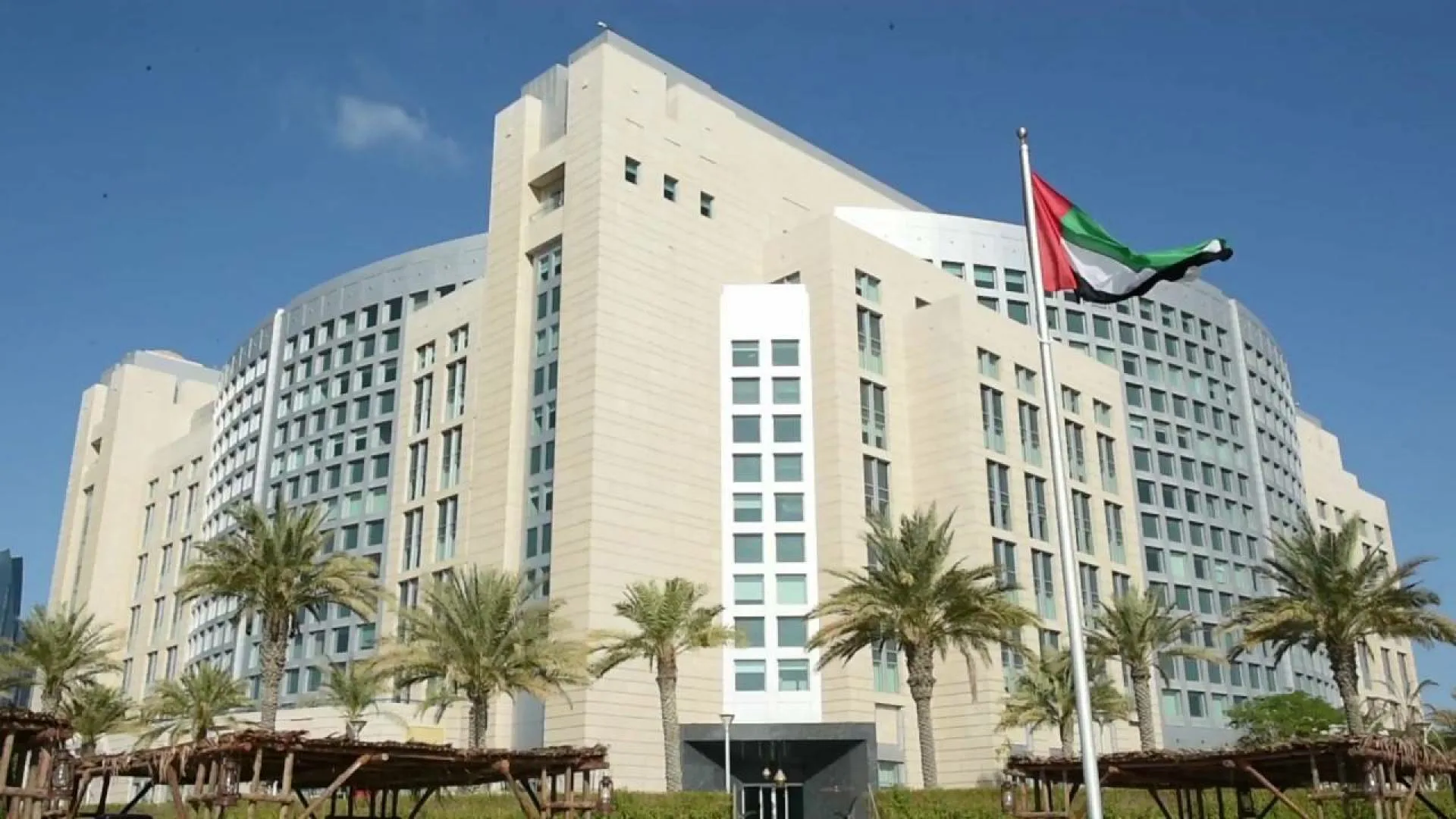
The UAE Ministry of Foreign Affairs summoned the Israeli ambassador in Abu Dhabi and handed him an official protest note regarding the attack on Doha. The Emirati side demanded a halt to further escalatory actions.

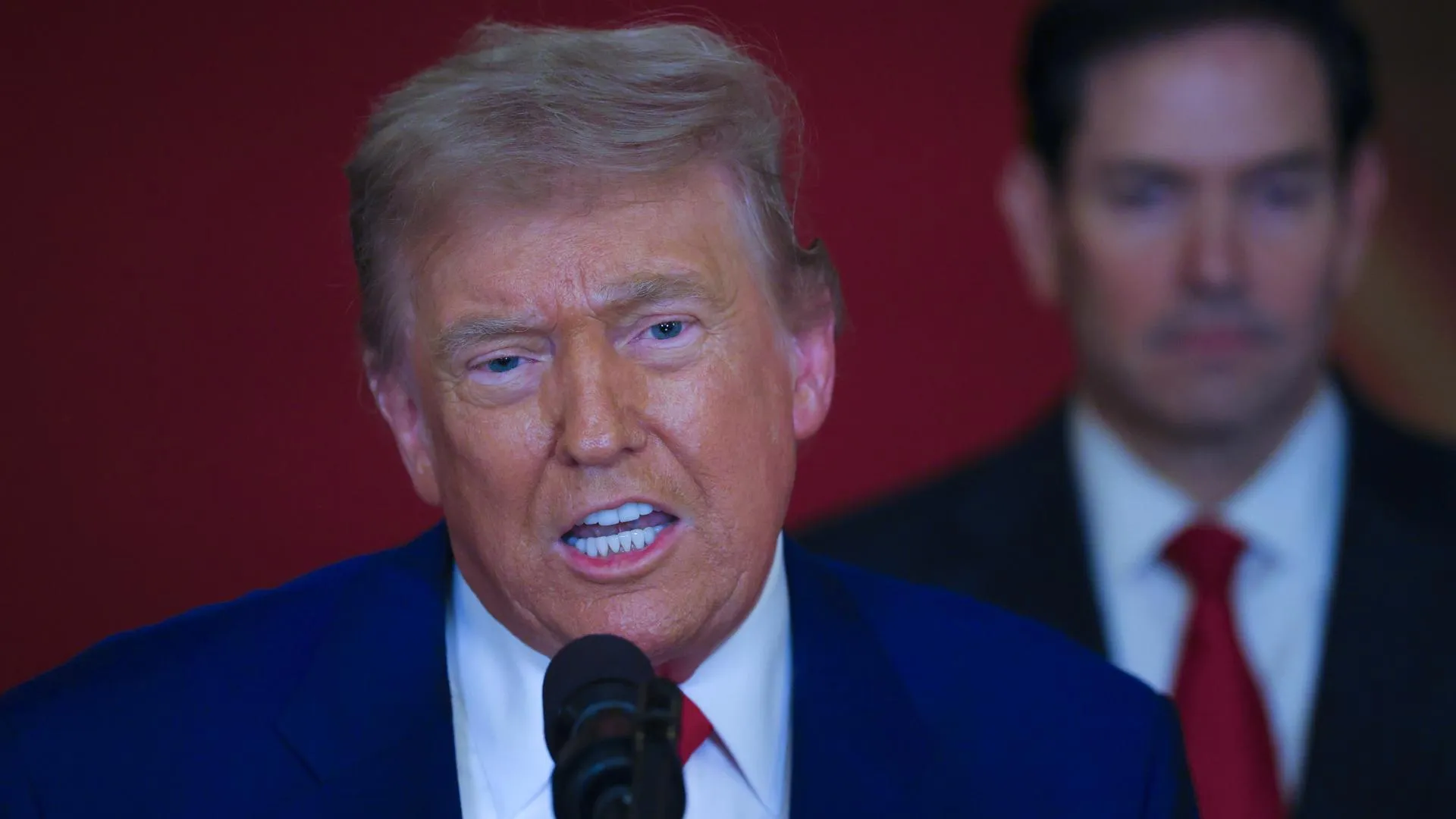
U.S. President Donald Trump stated that Israel and Iran have been fighting for too long and no longer understand what they are doing. He emphasized the need for restraint and urged Israel to de-escalate.

U.S. President Donald Trump stated that Israel and Iran violated the ceasefire agreement. He urged Israel to refrain from further strikes, warning of serious consequences.

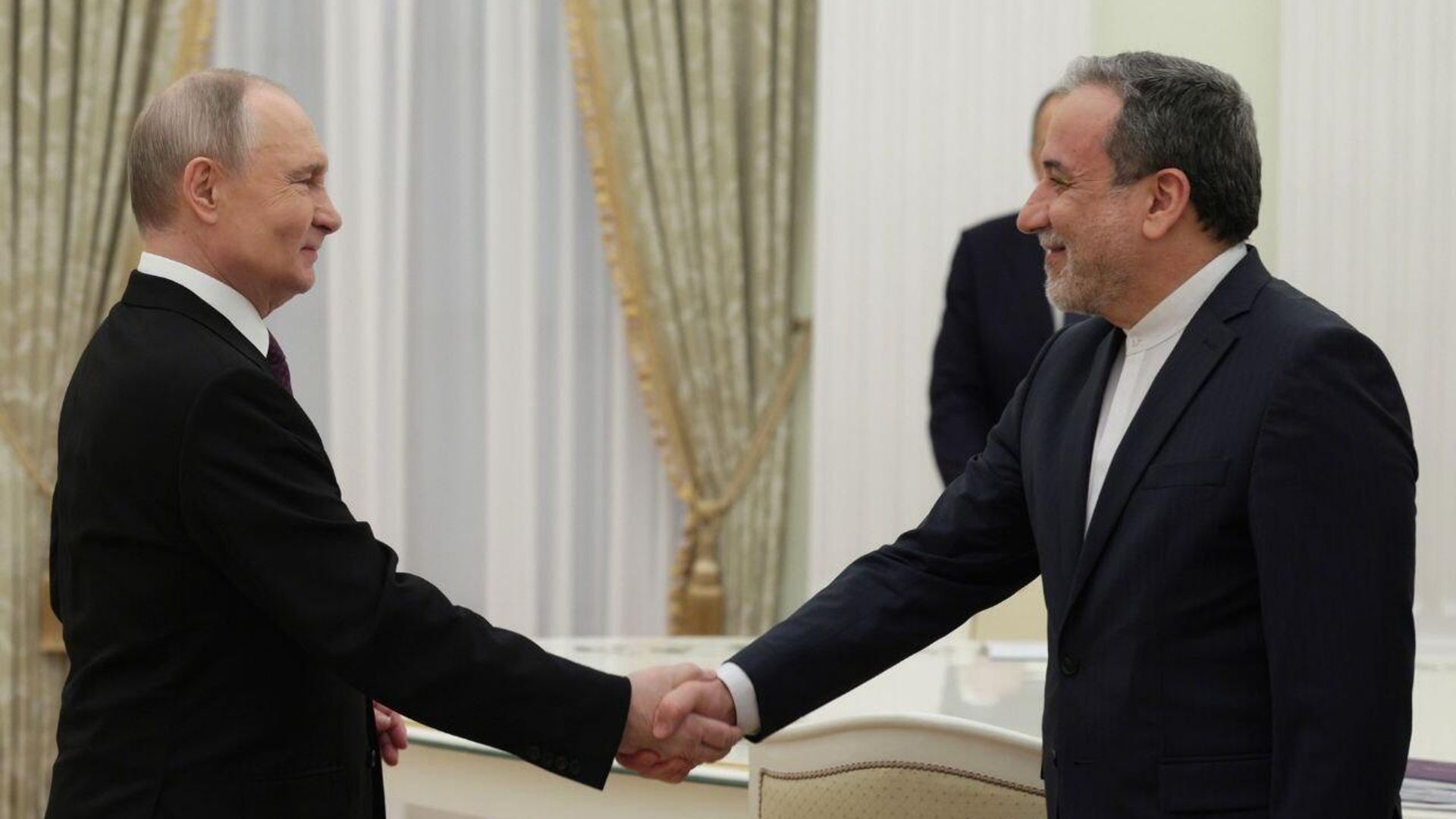
The Russian President met with Iranian FM Abbas Aragchi. Both sides condemned the strikes on Iran as aggression and affirmed Tehran’s right to self-defense.

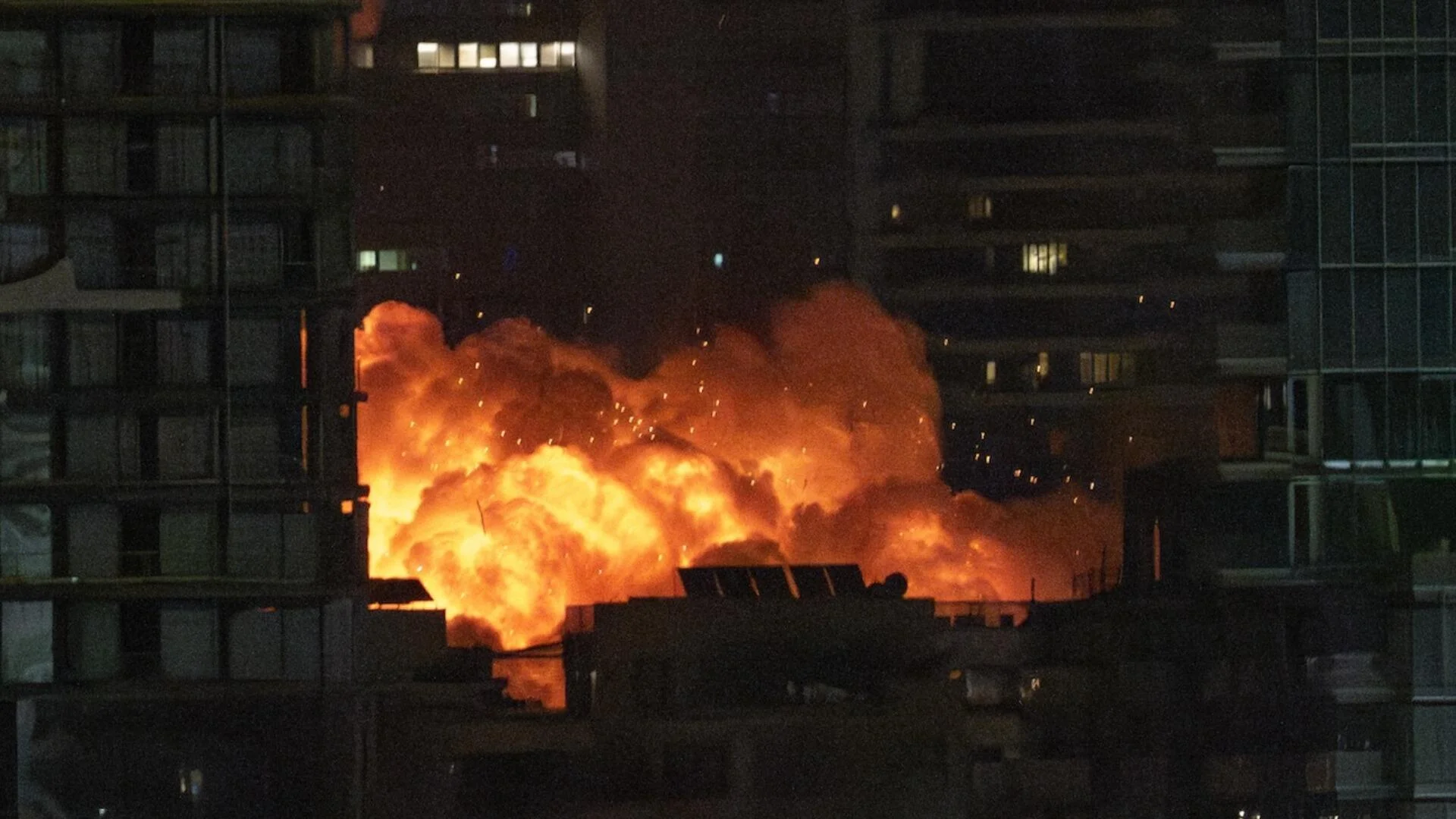
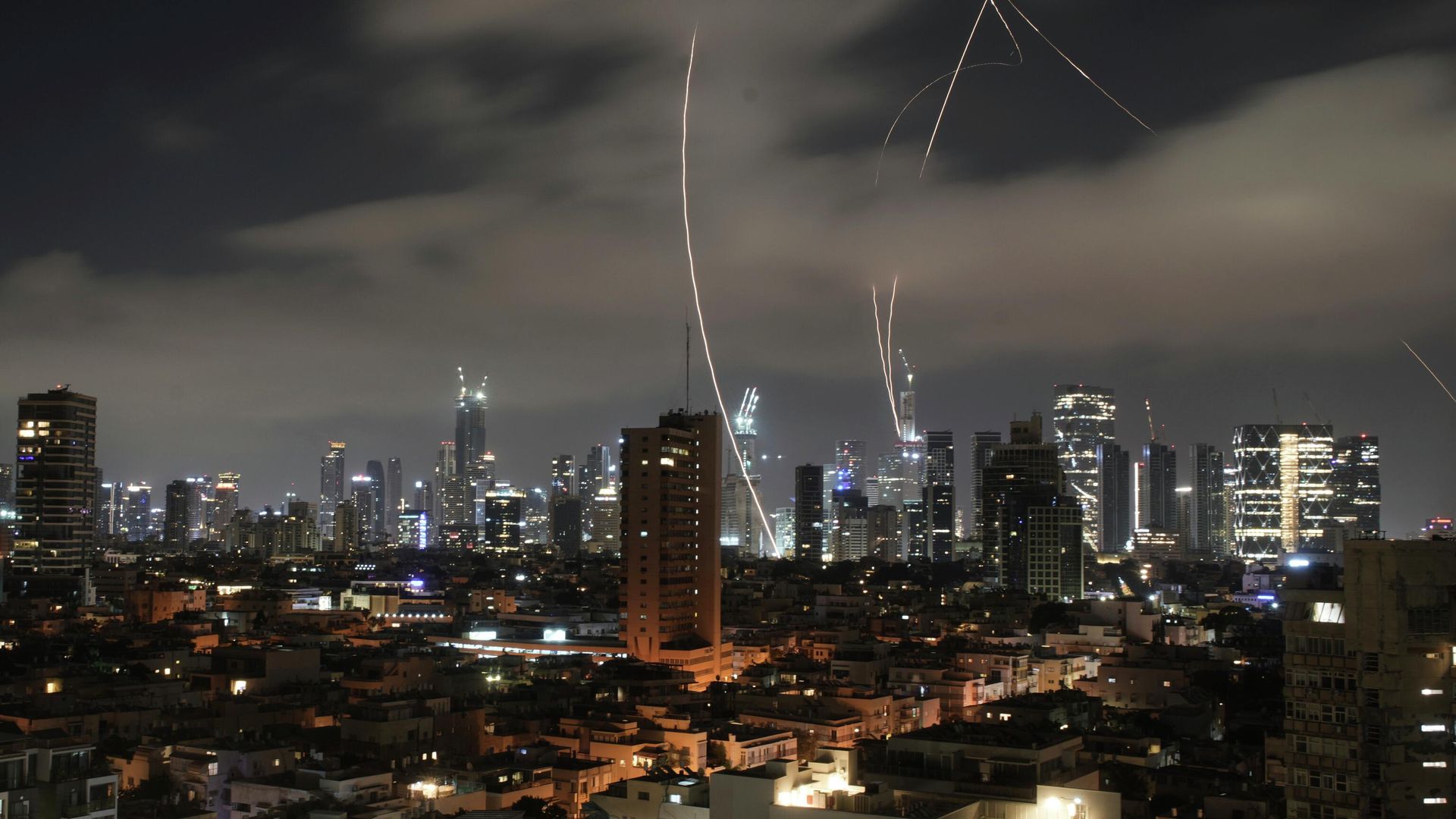
Tasnim reports a new wave of attacks: around 50 Iranian ballistic missiles entered Israeli airspace. Hits recorded in Tel Aviv, Haifa, and Jerusalem.

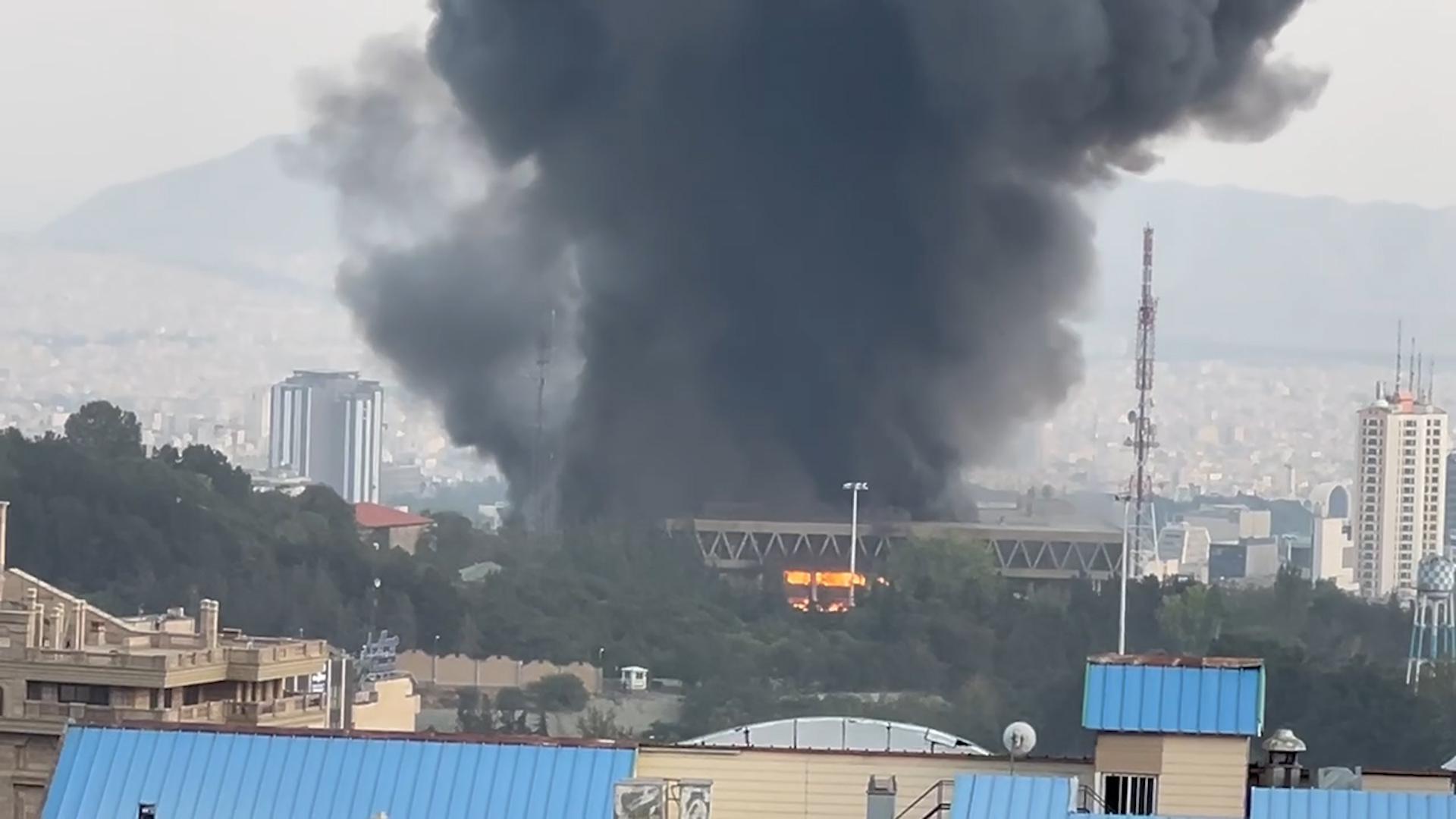
Israel targeted the headquarters of Iran’s state television during a live broadcast. Journalists were reportedly killed, and the building sustained major damage.

Iran launched a massive missile strike on Israel, firing over 150 rockets. Military sites were among the targets. A second wave of attacks is underway, and the situation remains tense.
Choose a convenient way to support the project.
Links to third-party websites may be unsafe. Check the destination before continuing.