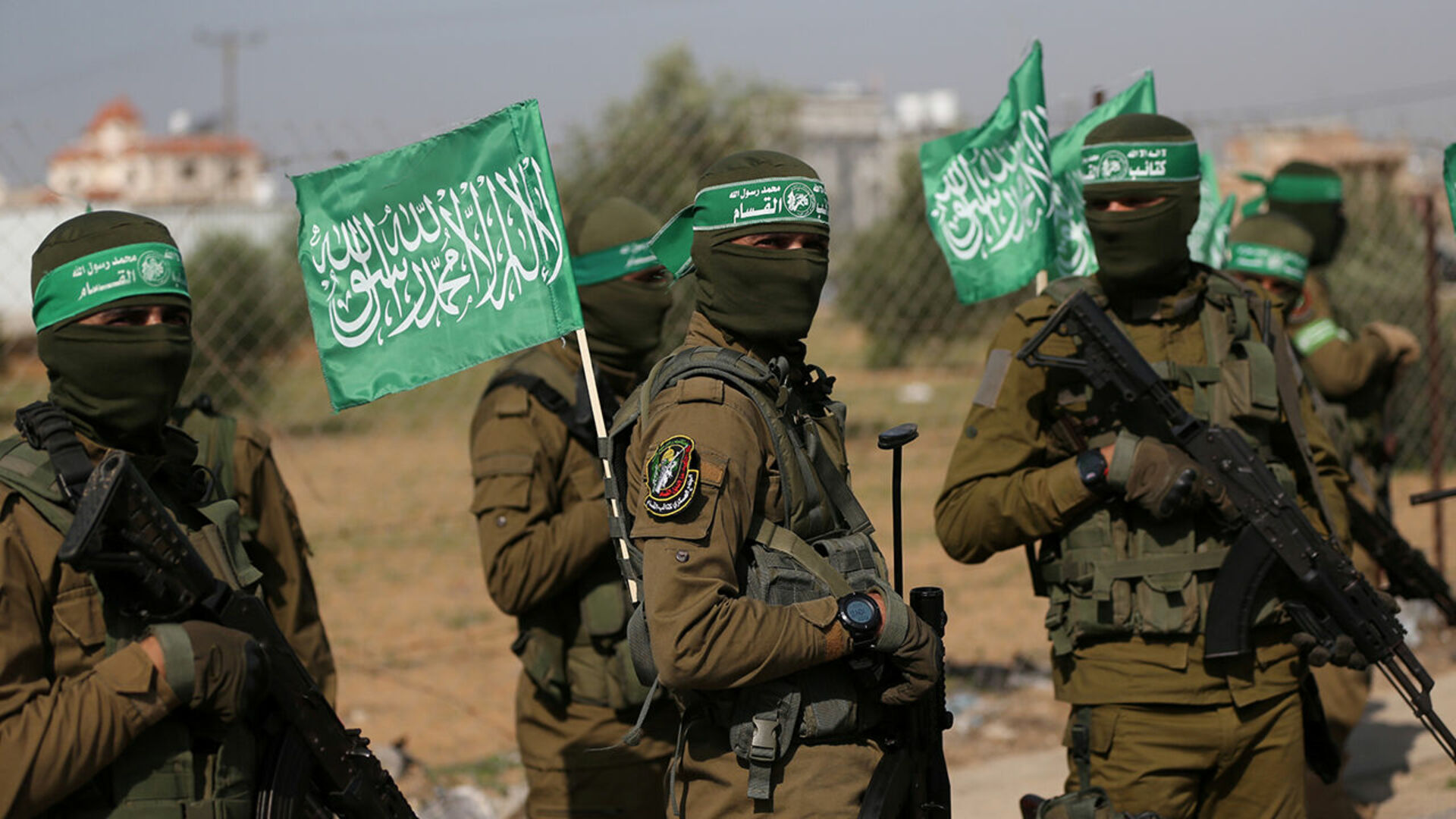
Hamas reports hundreds of ceasefire violations in Gaza
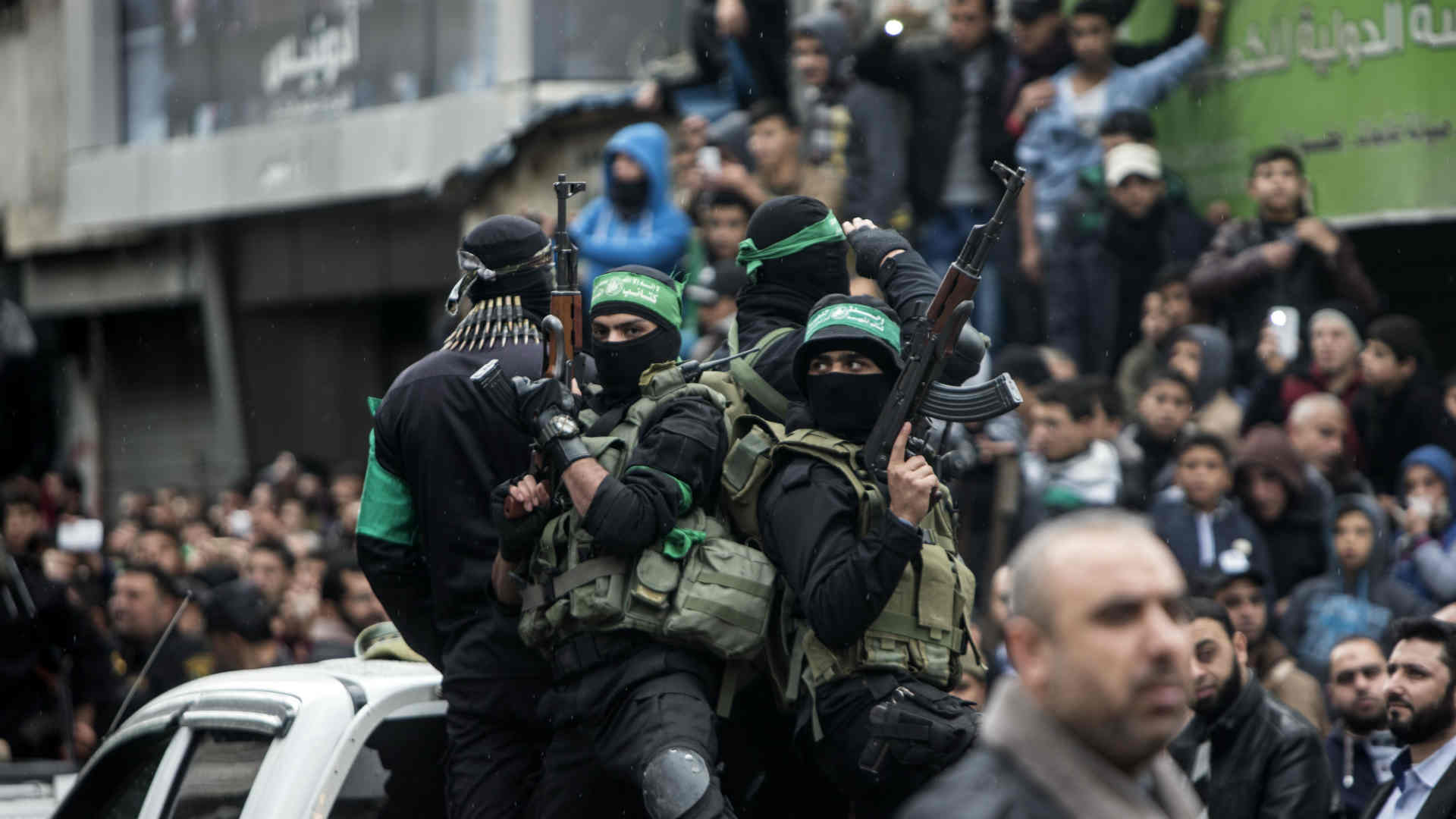
Hamas spokesperson Ghazi Hamad said Israel has committed 813 violations since the ceasefire took effect. He stated that mediators must intervene and ensure compliance with the agreements.
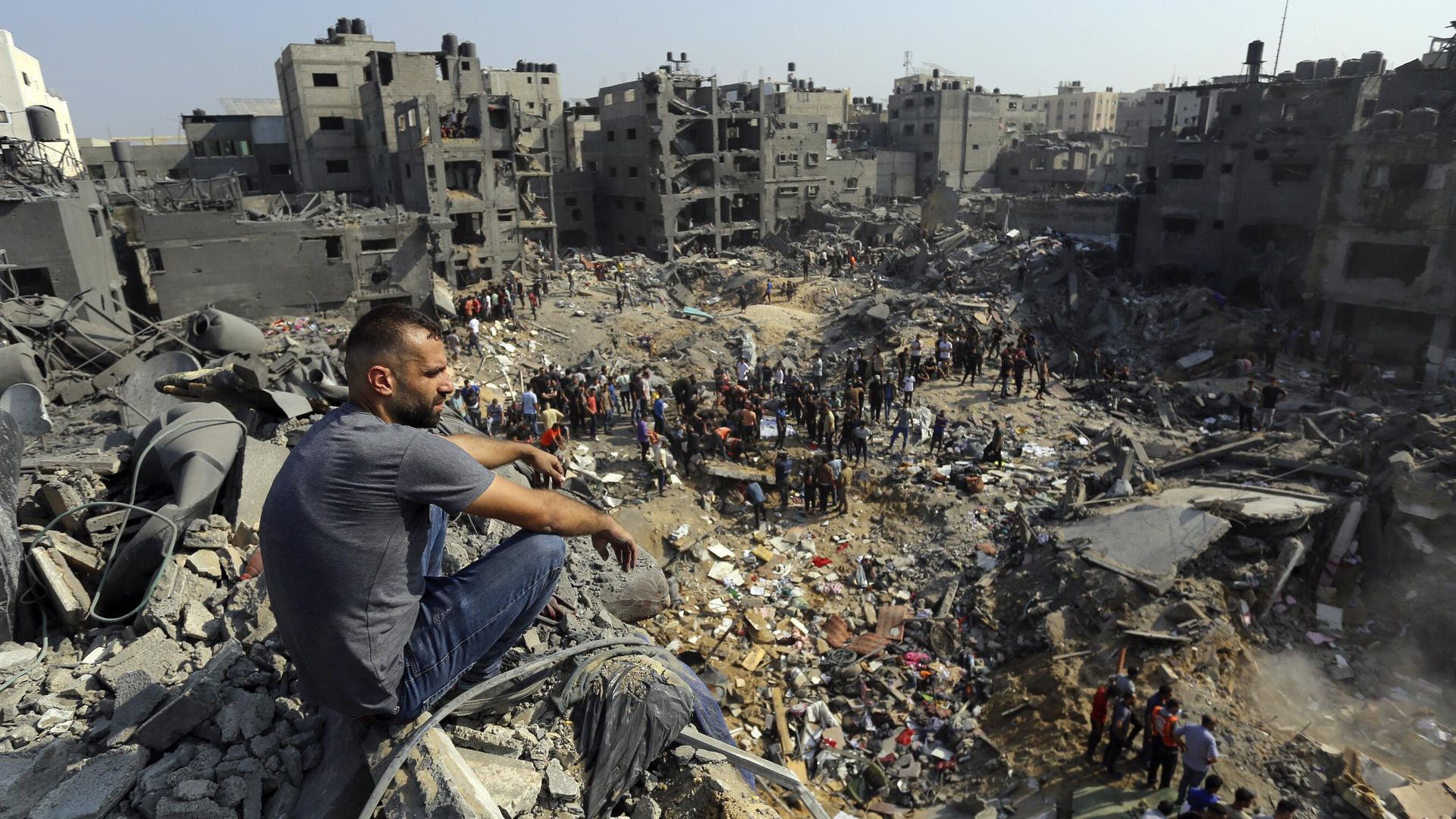
Hamas spokesperson Ghazi Hamad said Israel has committed 813 violations since the ceasefire took effect. He stated that mediators must intervene and ensure compliance with the agreements.
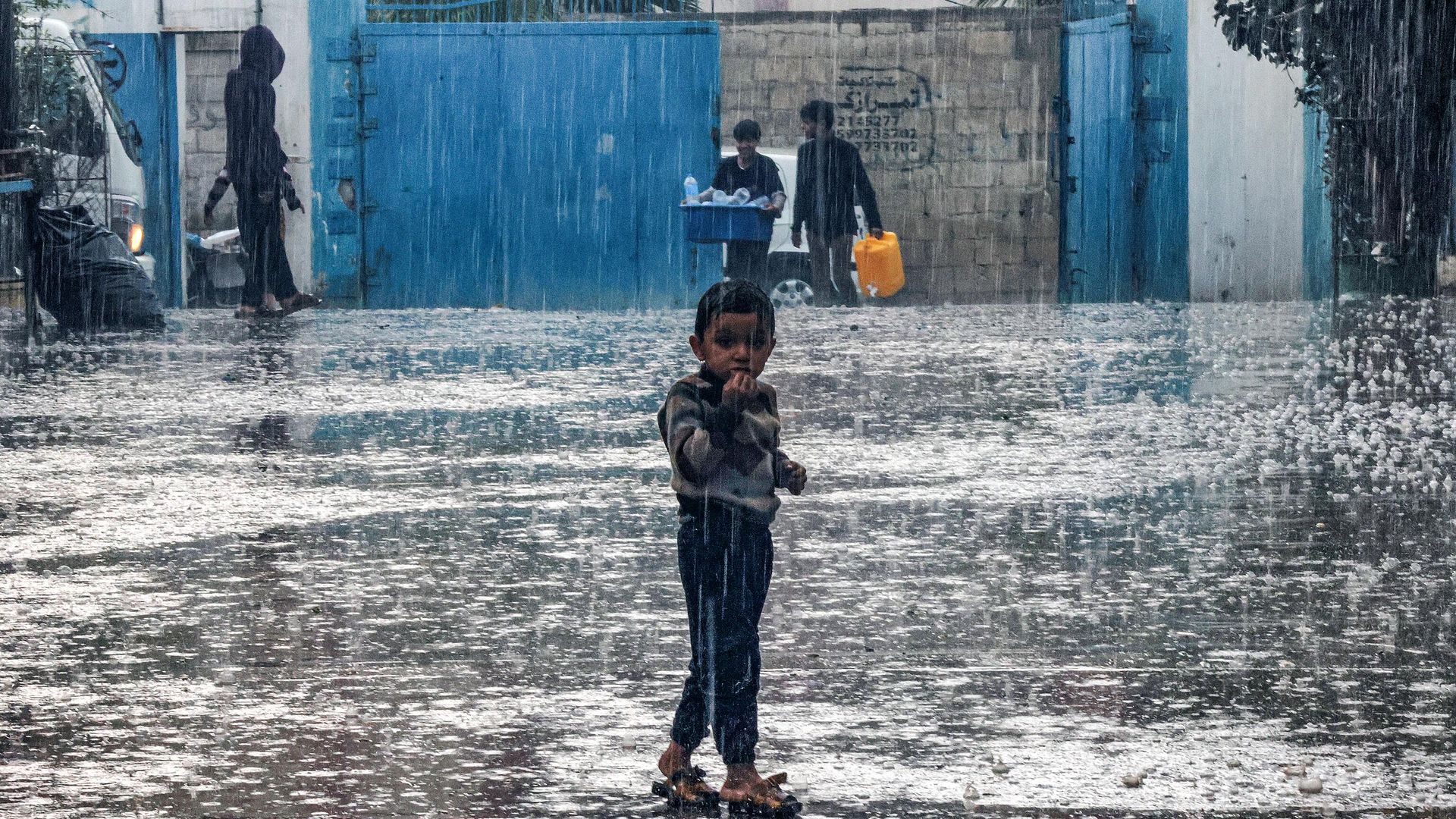
Heavy rains caused flooding in refugee camps in the Gaza Strip. Hamas representatives reported destroyed temporary tents and called for immediate international assistance as humanitarian conditions deteriorate.

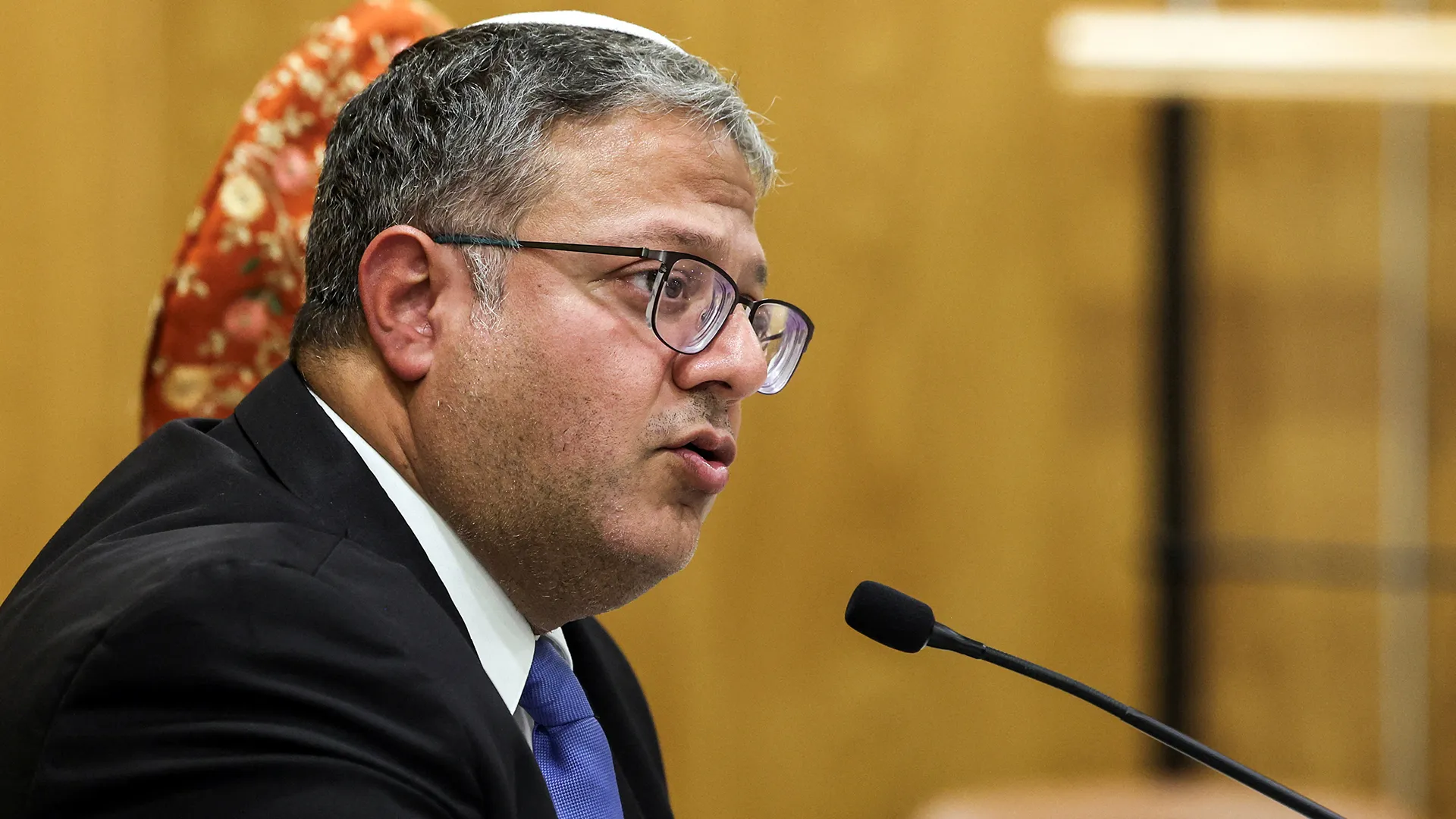
The Zionist regime’s Knesset approved a bill introducing the death penalty for Palestinians accused of attacks on settlers. Hamas called the initiative a violation of international law and urged global intervention.
Defense Minister Yoav Katz stated that the military operation in Gaza will continue until “all tunnels are destroyed and Hamas is eliminated.” The army vowed to act with full force until its objectives are achieved.

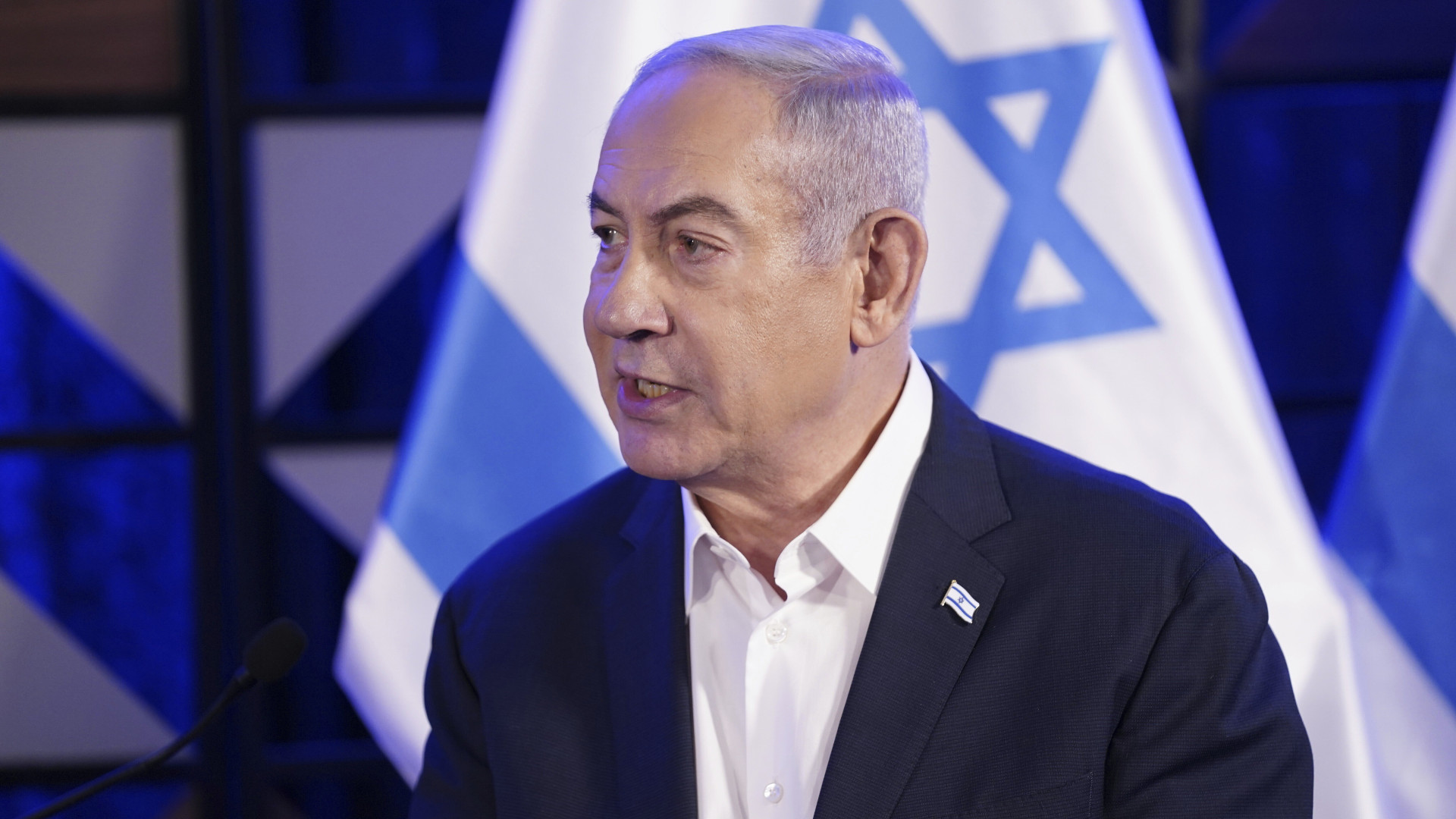
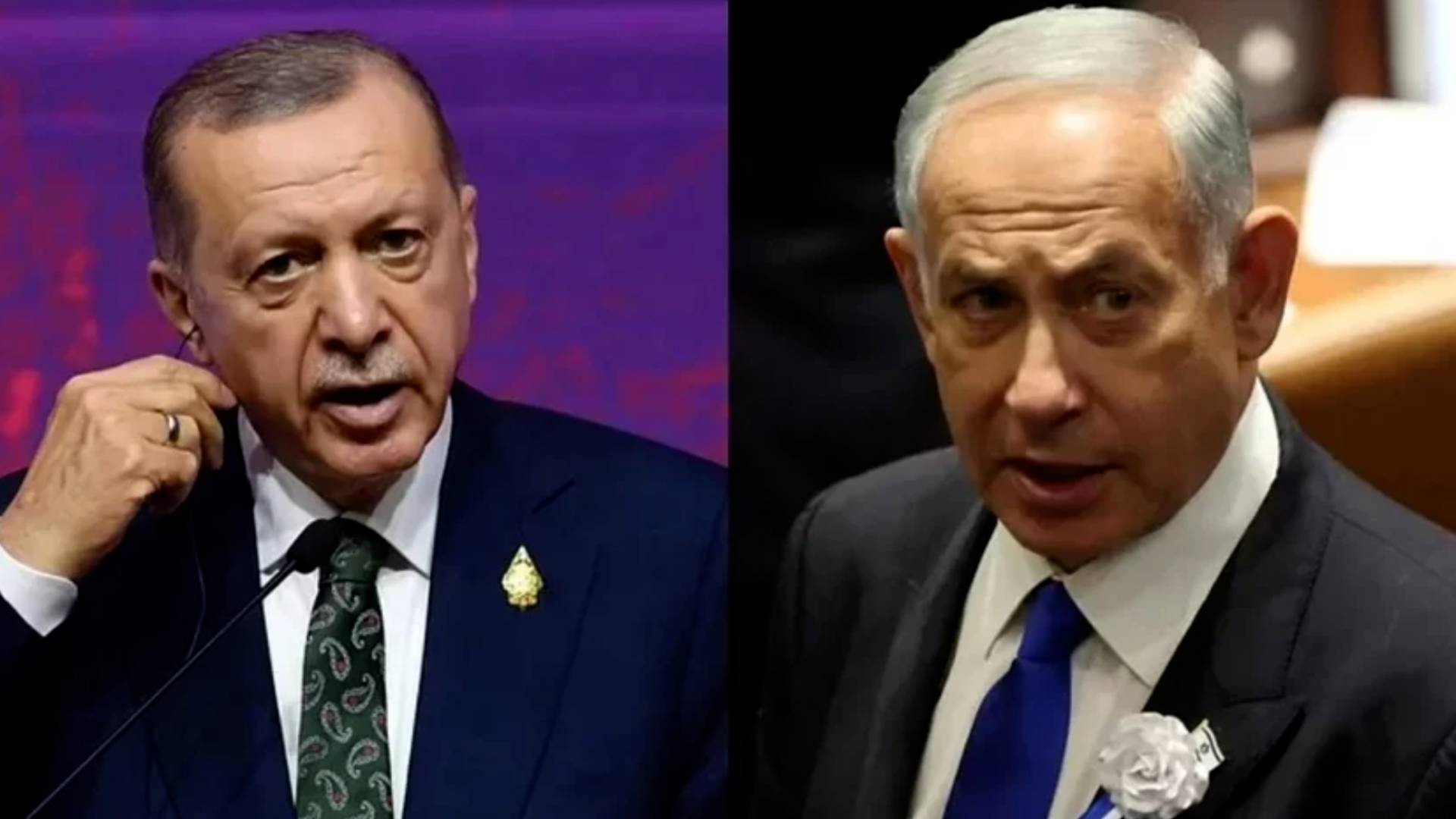
Israeli Prime Minister Benjamin Netanyahu stated that Turkey and Qatar’s participation in Gaza’s postwar administration is unacceptable. He called it a “red line,” claiming such involvement would strengthen Hamas.
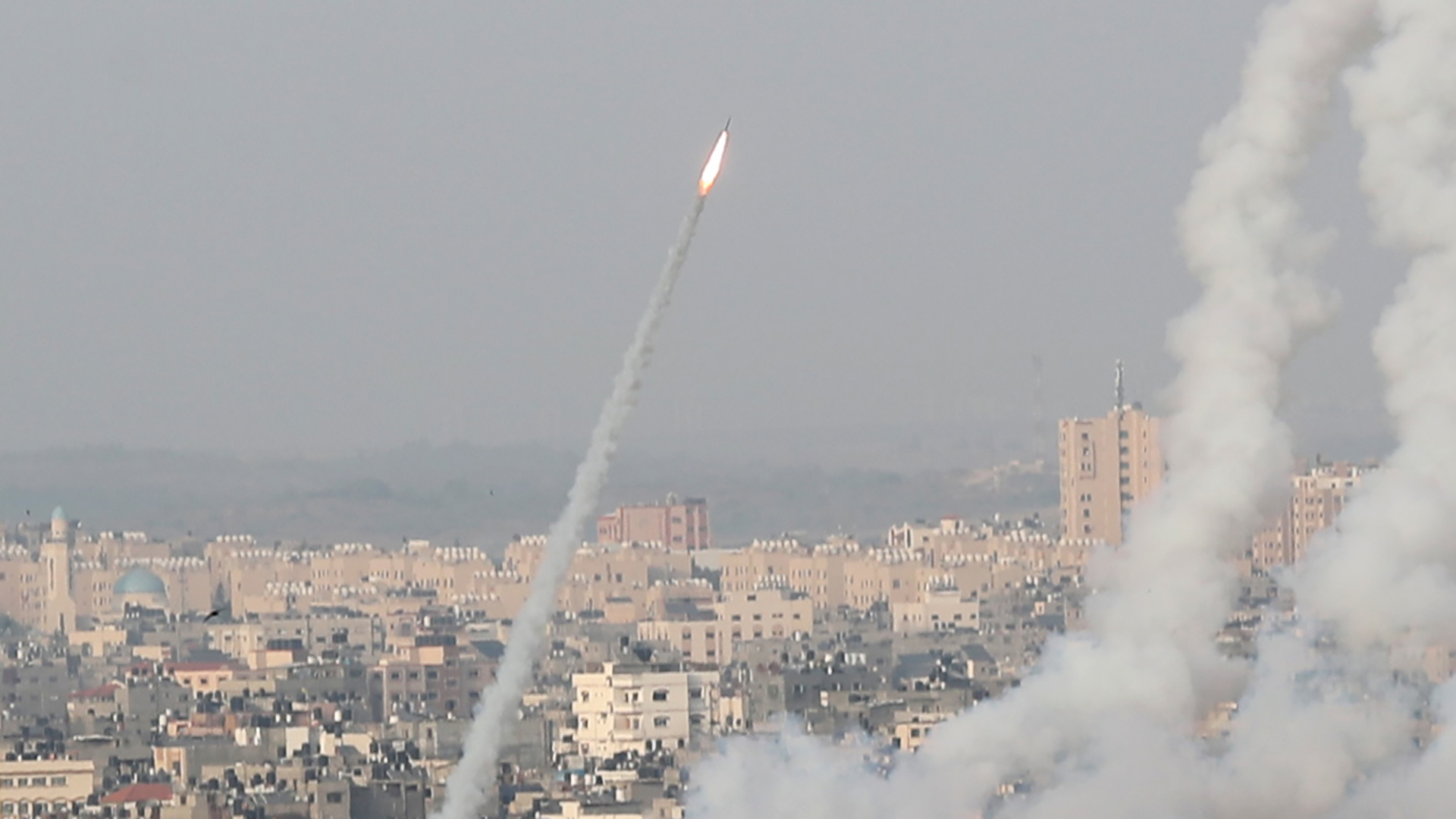
Four days after the peace declaration in Palestine, Israeli air forces launched new strikes on the Gaza Strip. The IDF claimed the actions were a response to a “Hamas attack,” but the truce has effectively collapsed.

Israel and Hamas have signed the first phase of a peace plan brokered by Qatar, Egypt, and Turkey. All hostages will be released, and Israeli troops will begin withdrawal on October 11.

The occupation regime’s navy seized the humanitarian flotilla “Sumud” in open waters. Hamas condemned the act as piracy and terrorism, while Spain summoned the ambassador.
Tel Aviv published “documents” allegedly linking the “Samud” flotilla to Hamas. Organizers called it propaganda and warned: this is a pretext for attacking the humanitarian mission.

After the attacks on Gaza and strikes against Hamas leaders in Qatar, international pressure on the Zionist regime has intensified. The EU proposed sanctions, and a research commission for the first time reported signs of genocide.

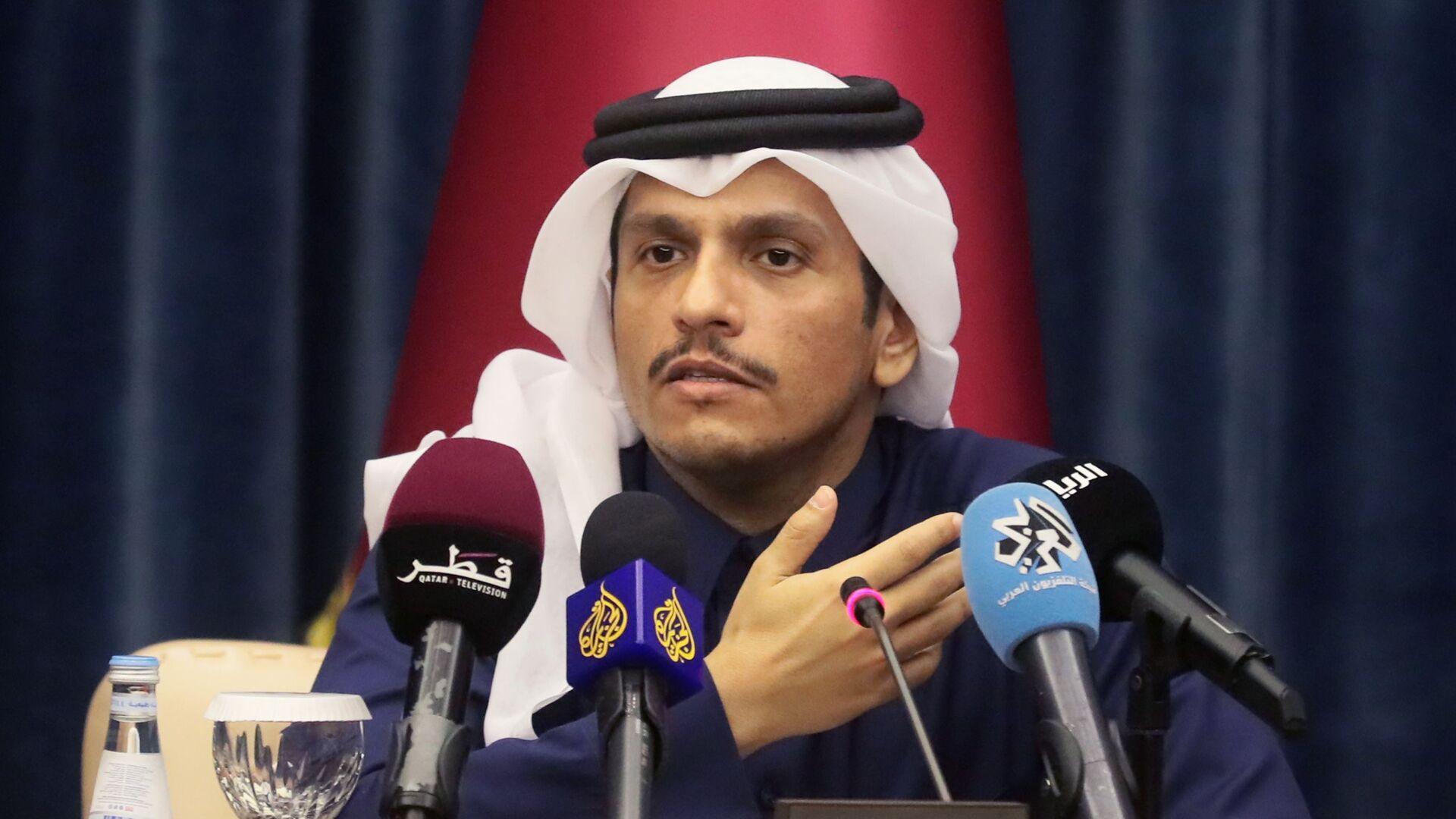
Qatari Prime Minister Sheikh Mohammed bin Abdulrahman Al-Thani condemned Israeli airstrikes on Doha, calling them state terrorism, and warned of a joint regional response. He demanded that Netanyahu be brought before an international court.

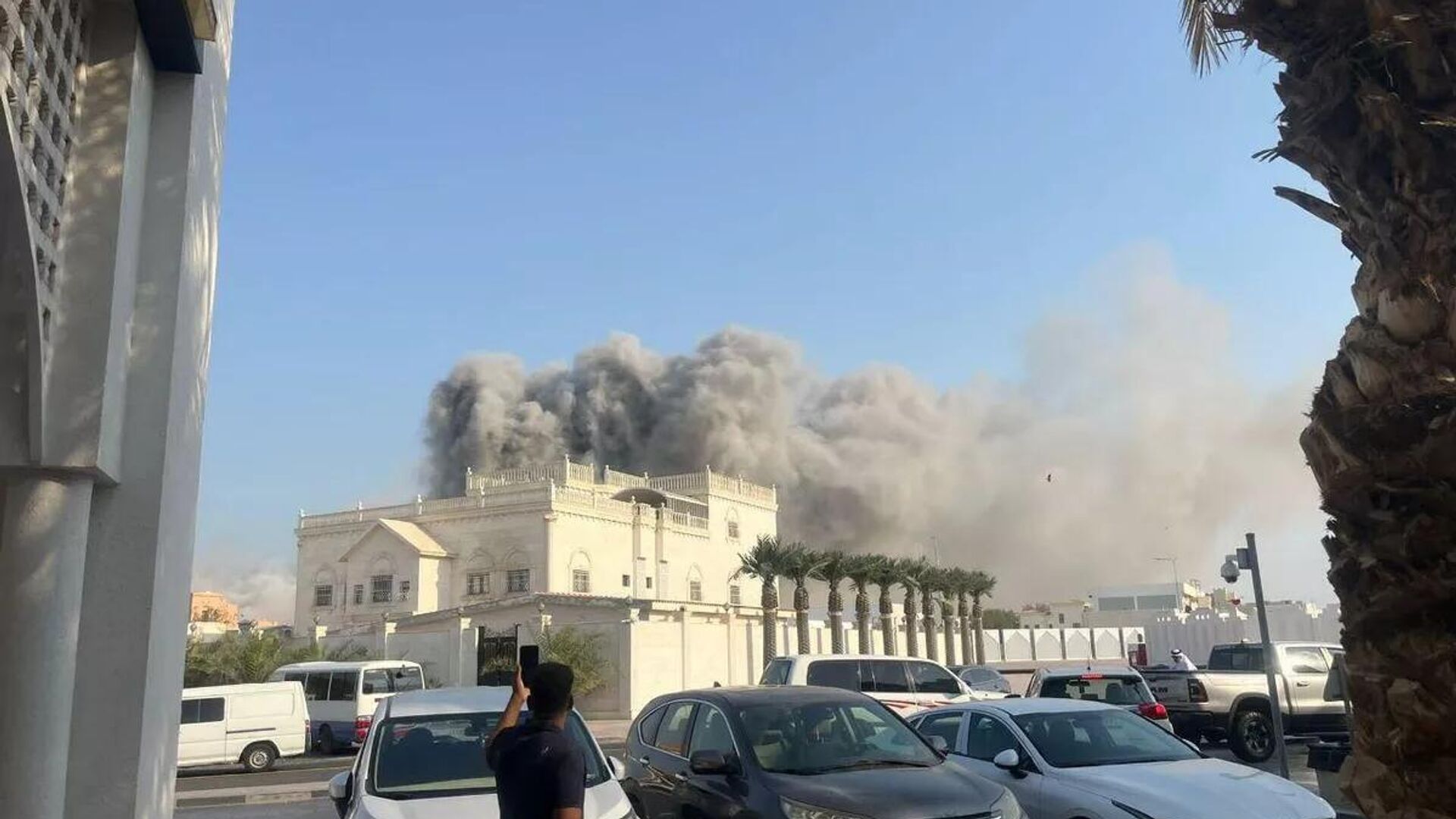
The airstrikes on Doha became one of the loudest episodes of the Middle Eastern crisis. Qatar condemned the attack on the Hamas headquarters, but its air defense was not activated, while media reported the country had been informed in advance. The operation may have involved the U.S. and Britain.

Hamas expressed readiness to immediately begin negotiations on the release of prisoners, provided that the war ends, troops withdraw from Gaza, and an independent Palestinian committee is created to govern the sector.

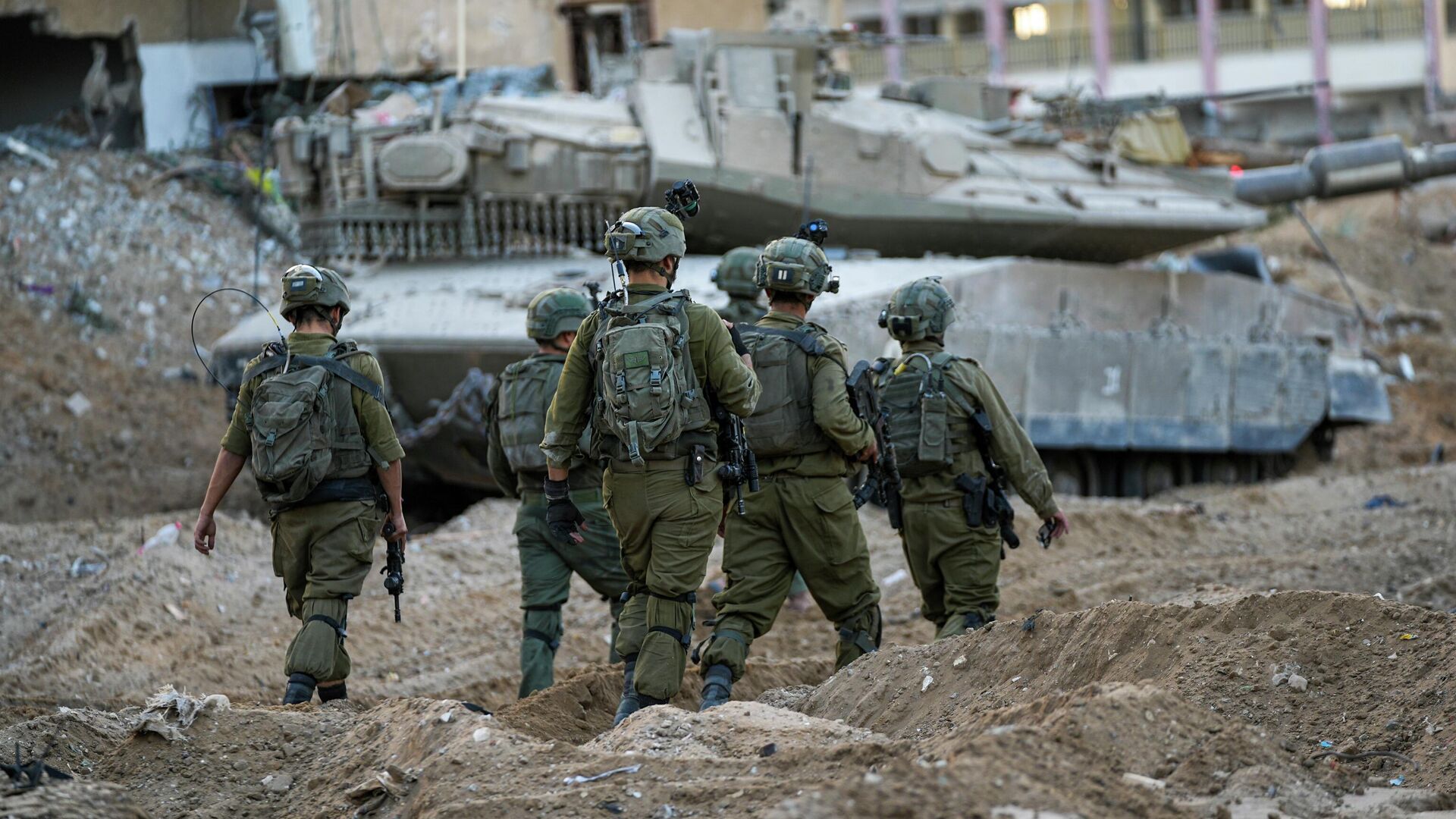
The army of the Zionist regime announced the start of preliminary operations in the Gaza Strip in preparation for a new ground phase of hostilities against Hamas. The main goal is to increase pressure and create conditions for the release of hostages.

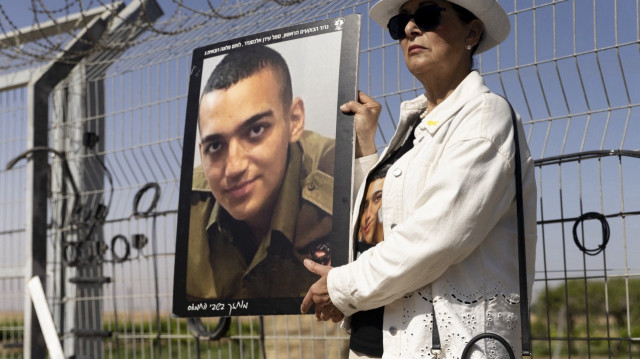
Israel has announced a temporary ceasefire in Gaza to secure the release of the last American hostage, Edan Alexander.

The statement was made amid public pressure and renewed strikes on Gaza after the ceasefire collapsed.

Hamas has agreed to a new ceasefire plan for Gaza brokered by Egypt and Qatar. The group hopes Israel will not obstruct the agreement as tensions remain high amid ongoing conflict.

The Israeli minister called military attacks a "necessary and justified step" to destroy Hamas and secure the return of hostages.

Israeli airstrikes have killed 112 people and injured 150 others. Hamas accuses Netanyahu of violating the ceasefire and endangering hostages.

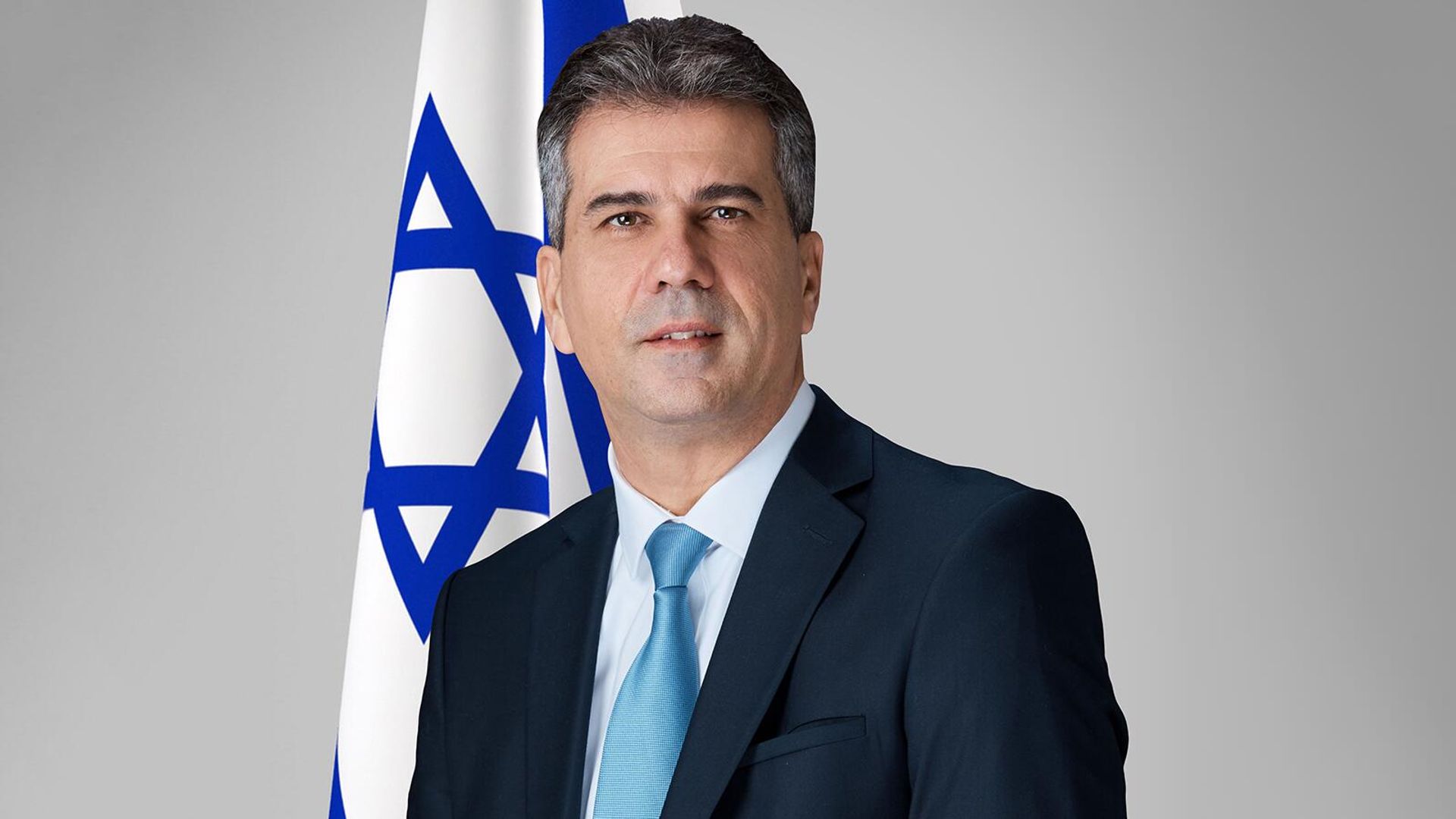
Israel's Minister of Energy, Eli Cohen, signed an order to stop the electricity supply to the Gaza Strip. The decision takes effect immediately and will impact the entire Palestinian population of the region, which previously relied partially on Israeli energy supplies.

Donald Trump’s latest statements could seriously complicate the implementation of the ceasefire agreement in Gaza and the prisoner exchange process, Hamas spokesman Hazem Qassem told Anadolu Agency.
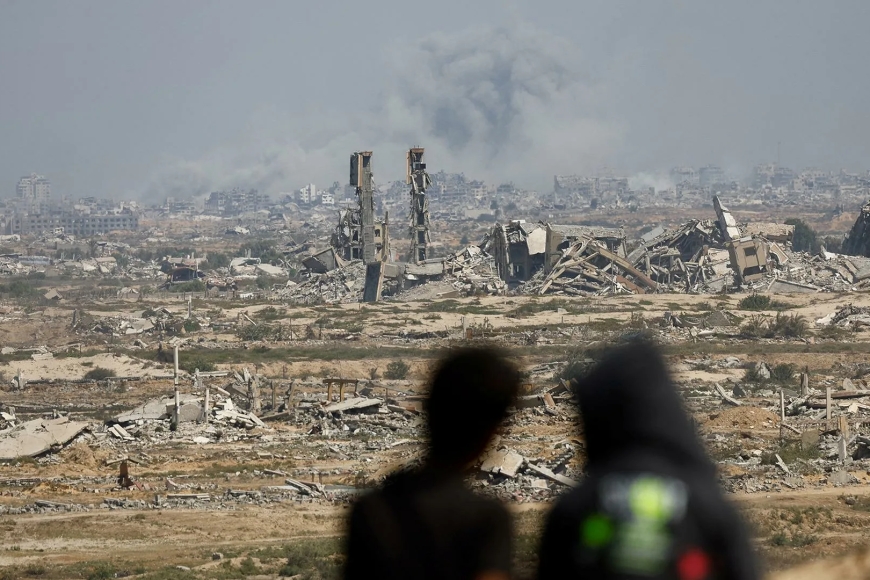
An emergency summit of the Arab League has approved a five-year, $53 billion plan to rebuild the Gaza Strip, proposed by Egyptian President Abdel Fattah el-Sisi. The plan does not include the resettlement of Palestinians, contradicting Donald Trump's proposal to relocate Gaza’s residents to Arab countries.

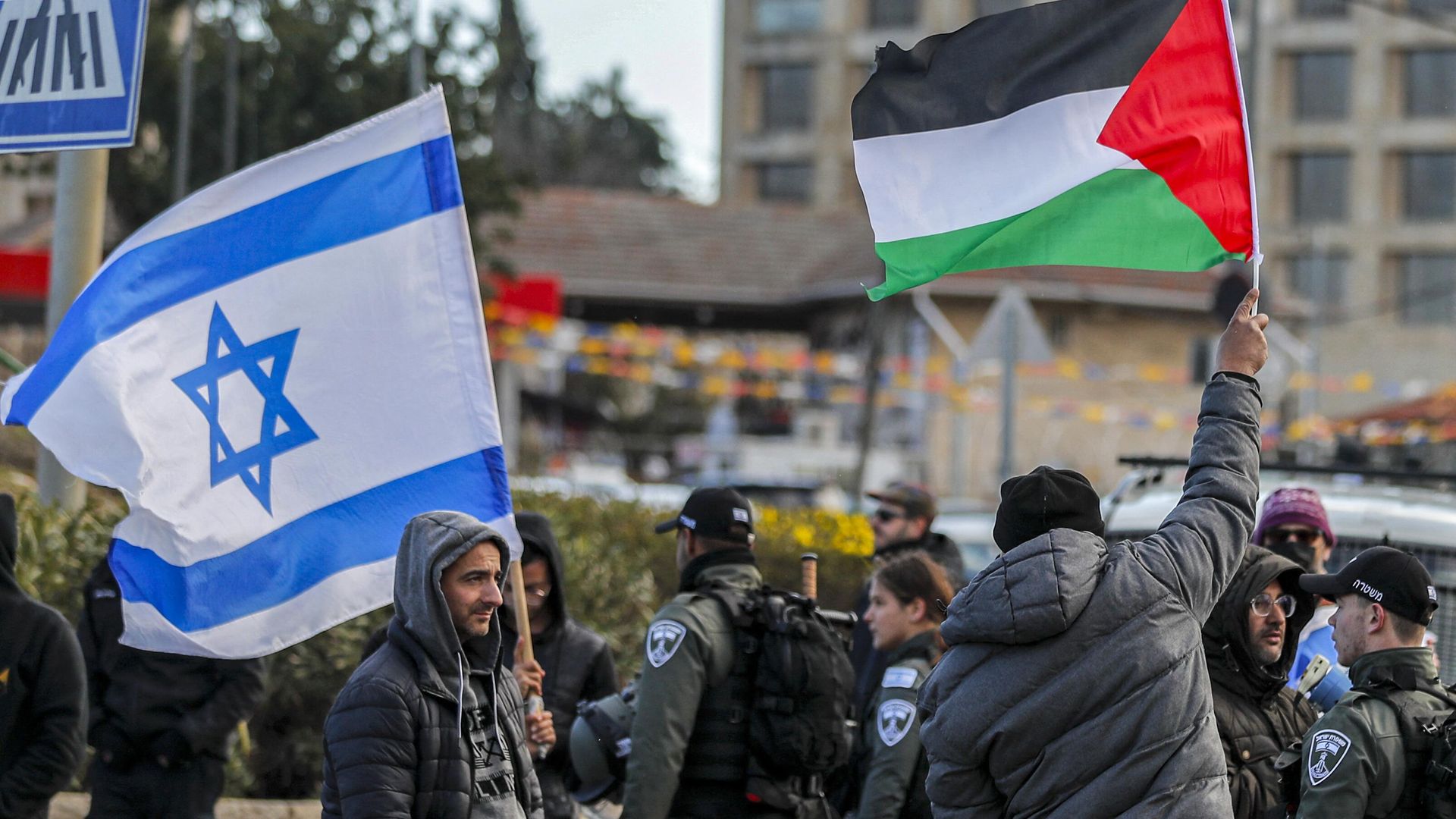
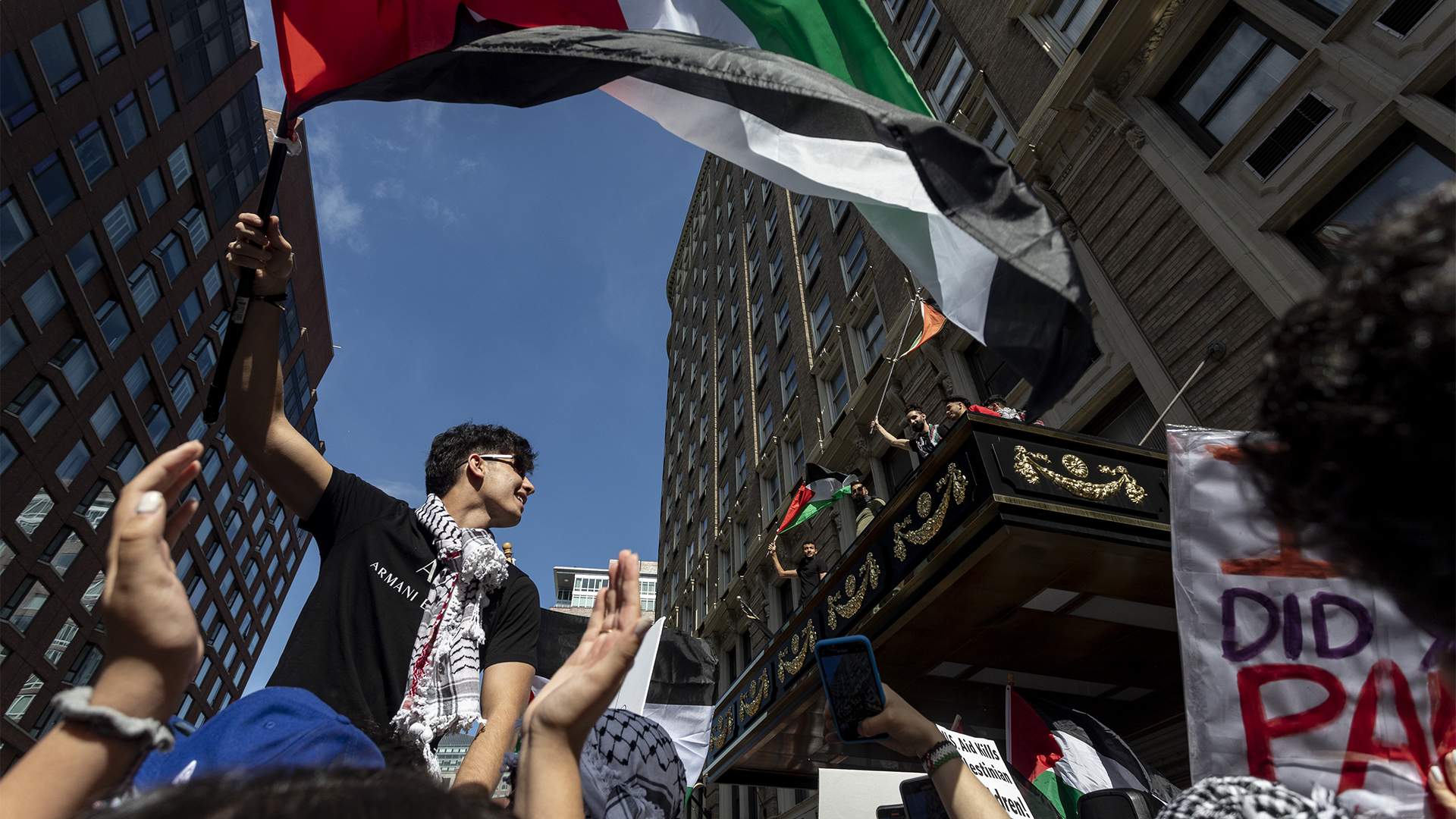
American lawmakers are preparing a bill that would prohibit the display of Hamas and Hezbollah flags in New York. Violating this ban could result in up to four years in prison.

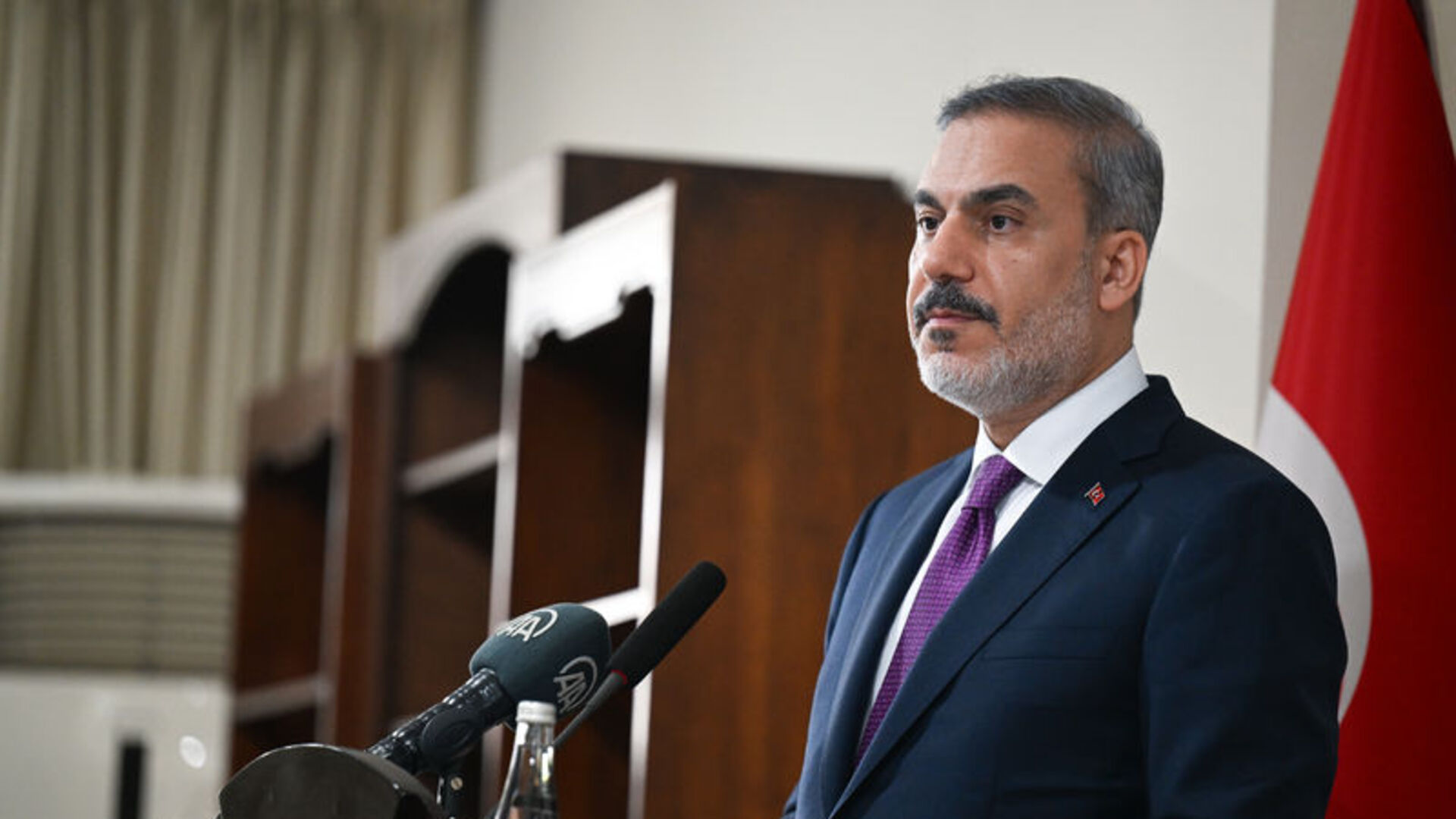
Turkish Foreign Minister Hakan Fidan expressed concerns that Israeli Prime Minister Benjamin Netanyahu might resume military operations in Gaza after the prisoner exchange is completed. He also described Hamas as an armed resistance movement that emerged in response to the occupation of Palestine.
Choose a convenient way to support the project.
Links to third-party websites may be unsafe. Check the destination before continuing.