Spanish media sharply cover events in Lebanon
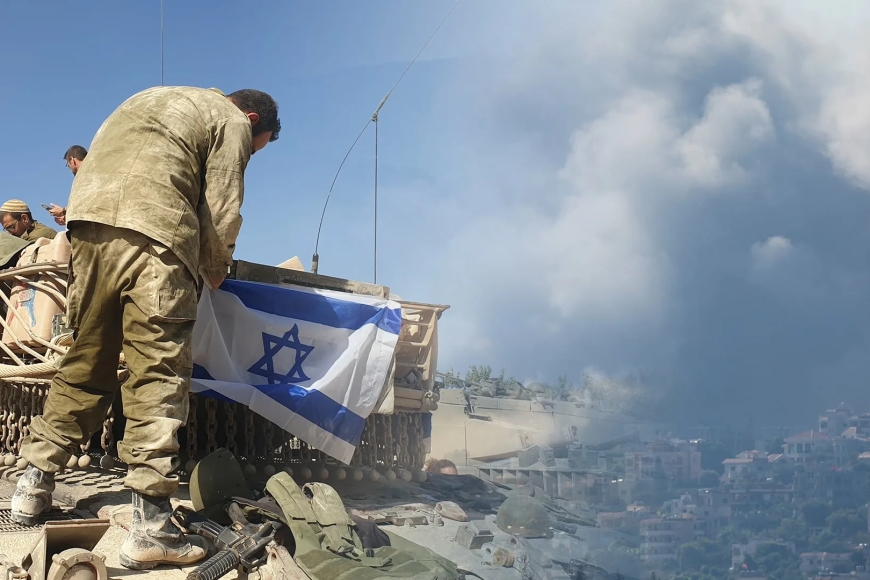
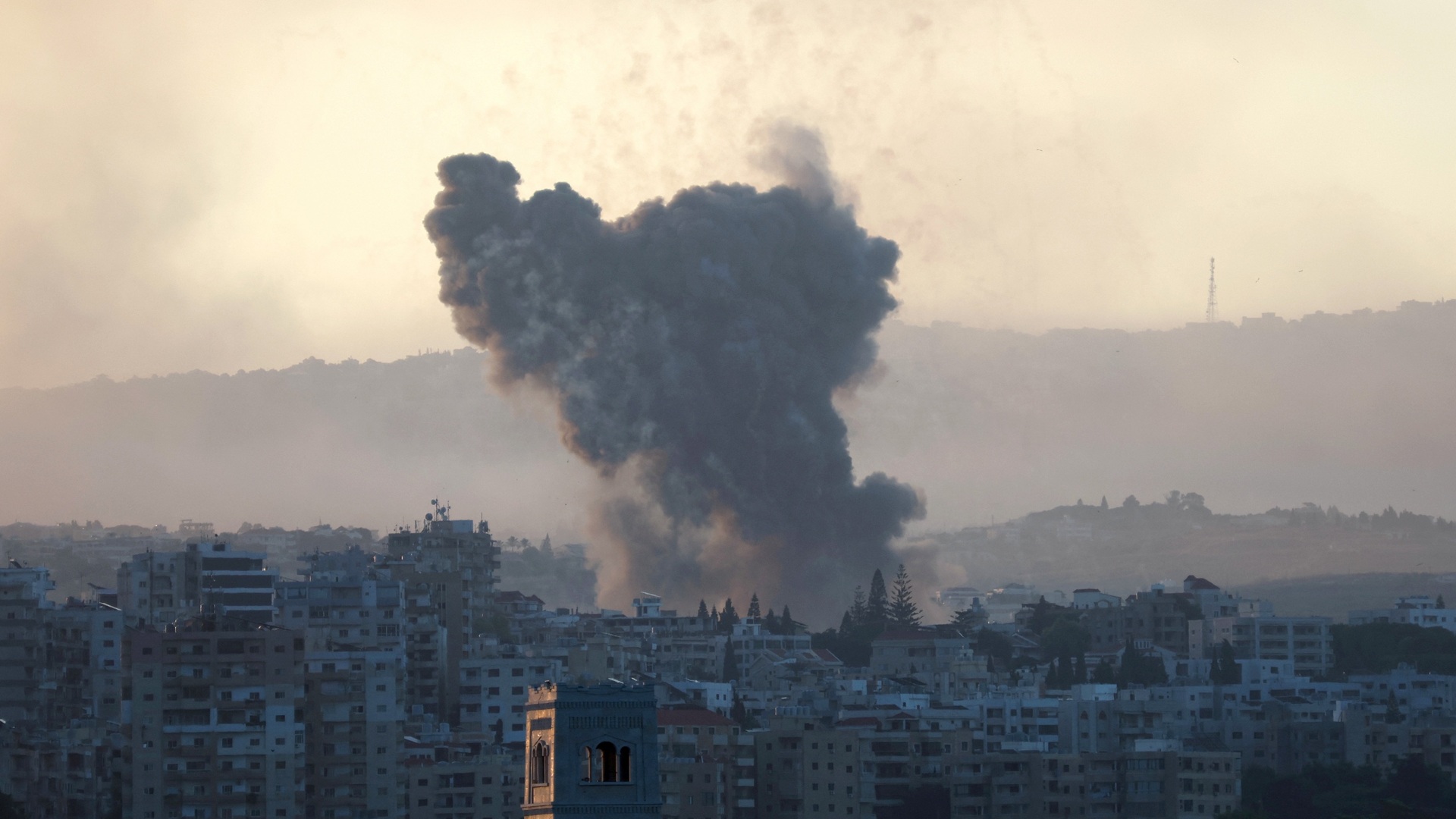
Spanish outlets have intensified their focus on the humanitarian consequences of Israeli strikes on Lebanon. Publications increasingly describe the situation as part of a broader military strategy.
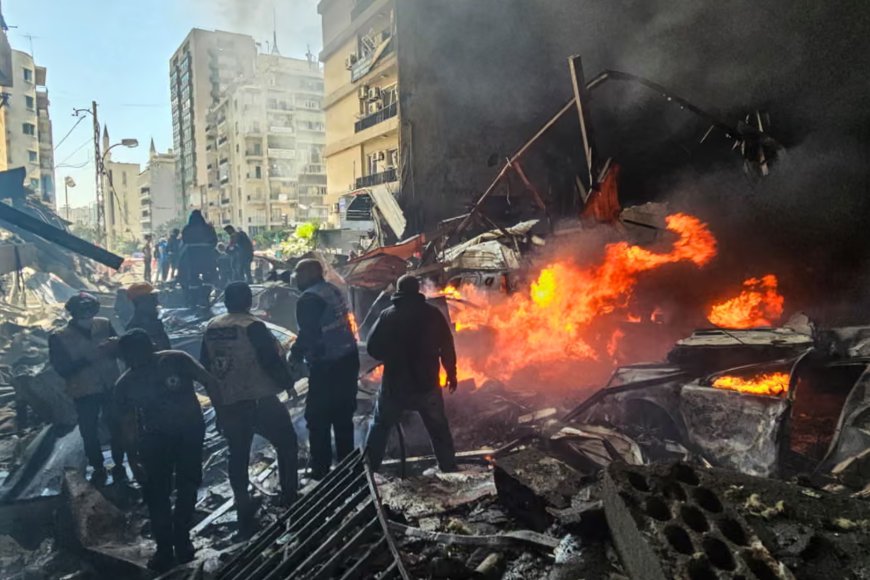
Spanish outlets have intensified their focus on the humanitarian consequences of Israeli strikes on Lebanon. Publications increasingly describe the situation as part of a broader military strategy.
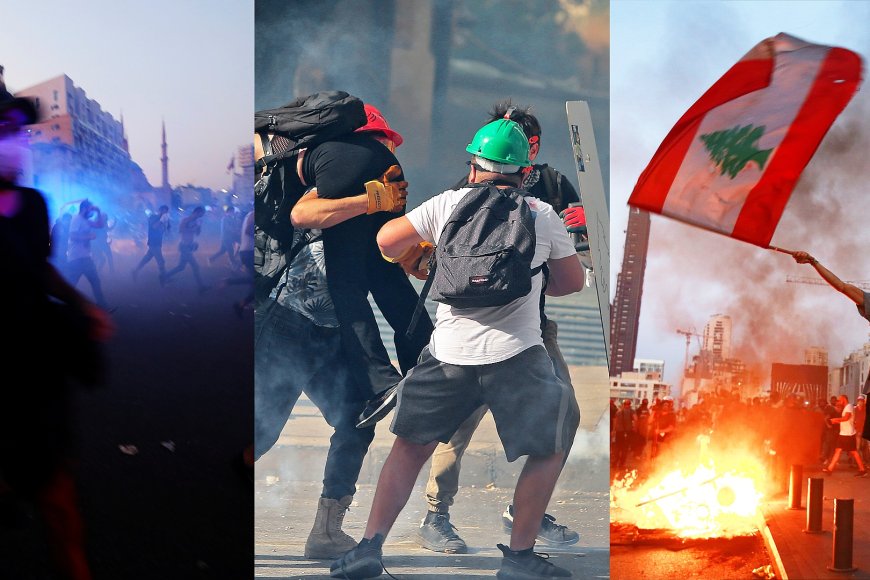
Mass protests took place in the Lebanese capital against a potential agreement to disarm Hezbollah. The situation demonstrates how sensitive the issue of the balance of power within the country remains.

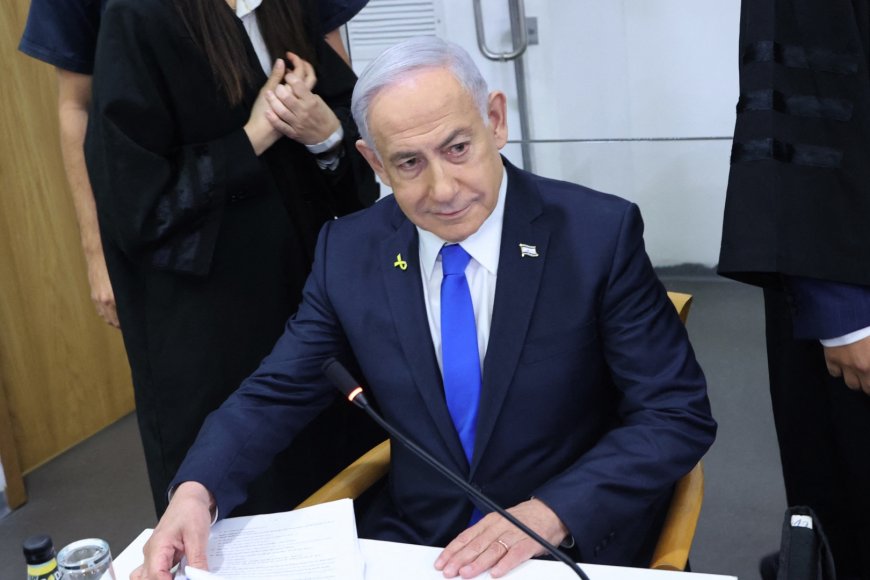
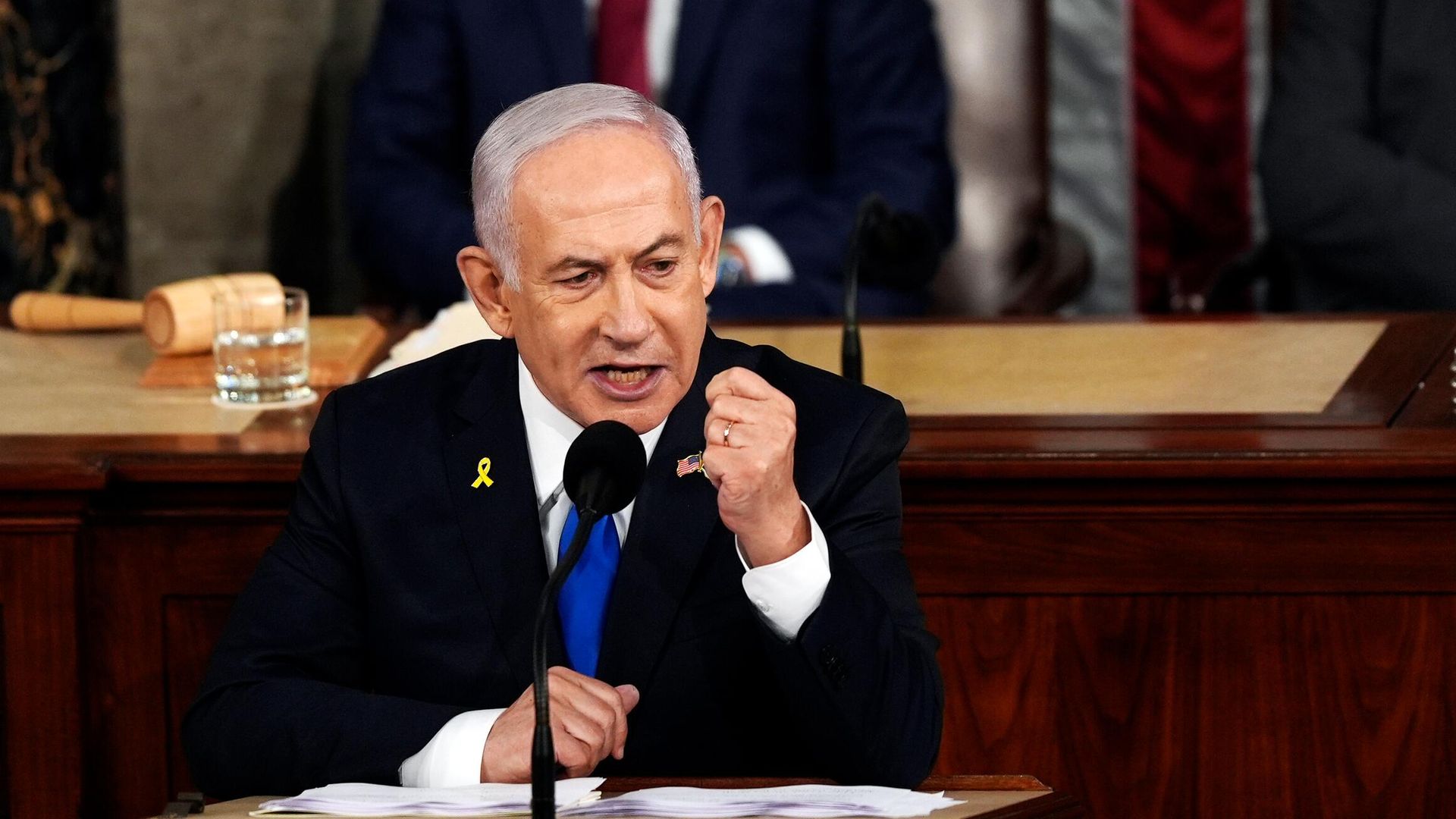
After a conversation with Donald Trump, Israel’s strategy regarding Lebanon changed. Decisions to carry out strikes on Beirut now require the personal approval of the prime minister.

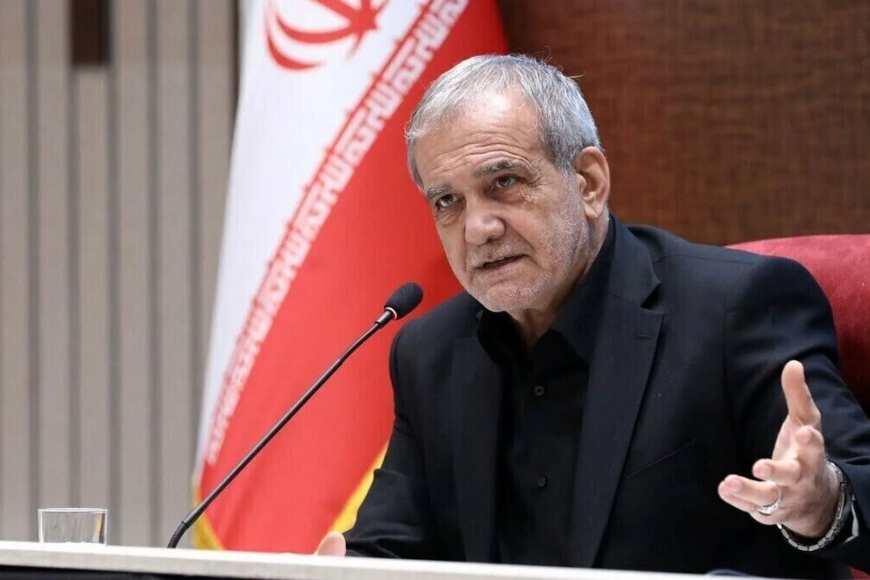
Iranian President Masoud Pezeshkian stated that the resumption of strikes on Lebanon undermines the purpose of negotiations and warned of the country’s readiness to take retaliatory action.

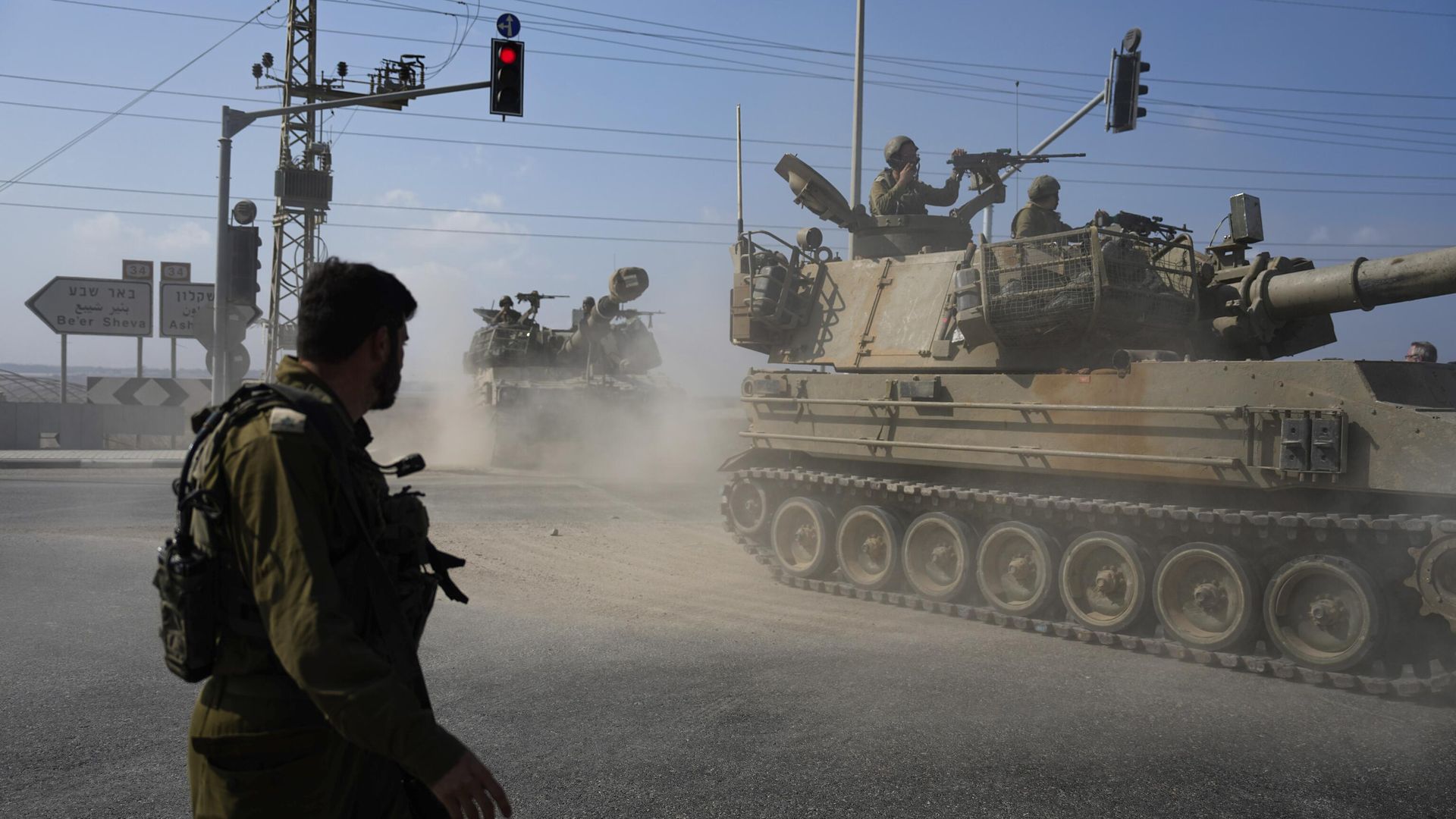
Israel plans to begin direct negotiations with Lebanon on a ceasefire and the disarmament of Hezbollah. Military operations will not be suspended during the talks.

An Israeli representative stated that a ceasefire in Lebanon is not planned. At the same time, negotiations with the Lebanese government are expected to begin in the coming days.

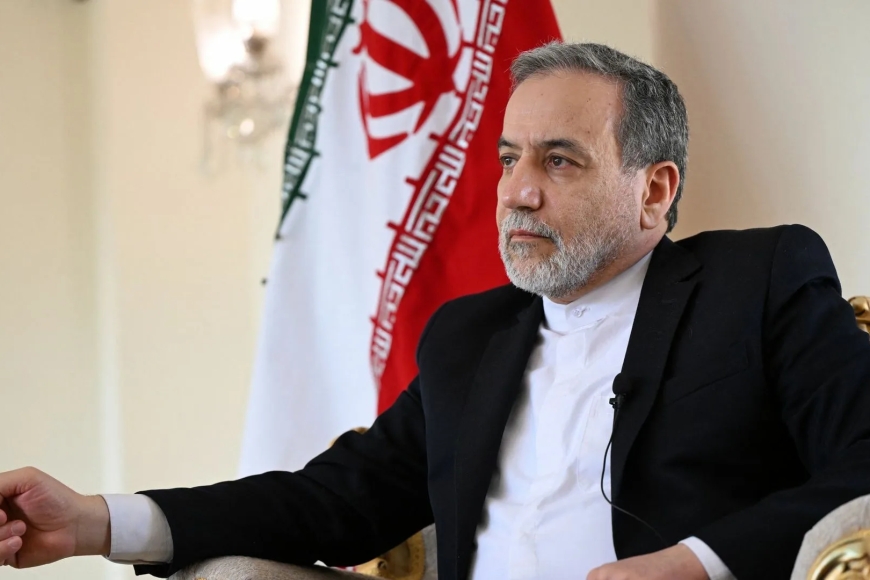
Iranian Foreign Minister Abbas Araghchi stated that Washington must choose between a ceasefire and continued conflict, emphasizing that the two approaches cannot be combined.

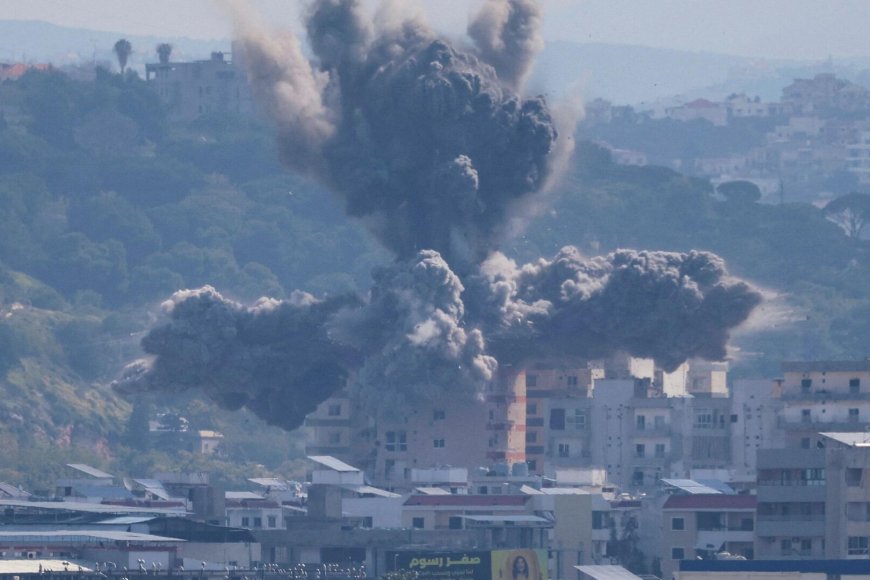
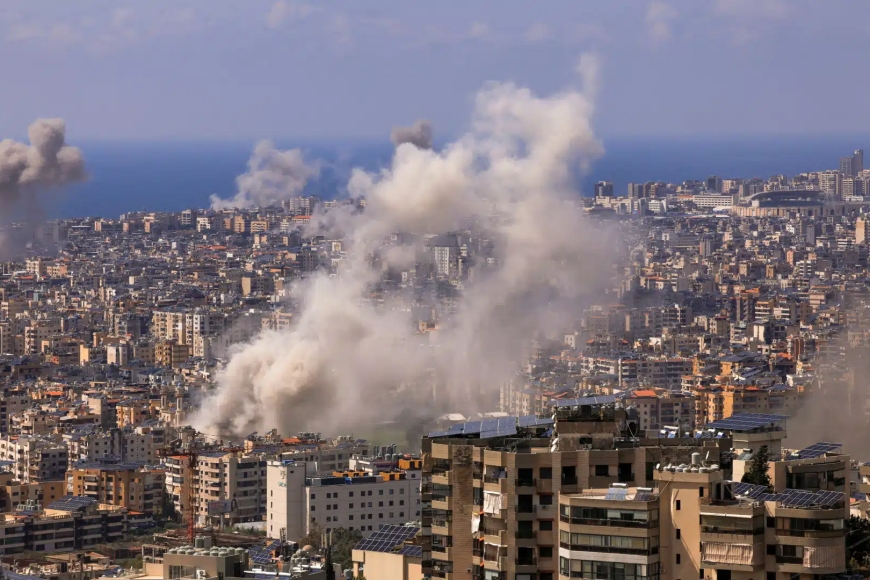
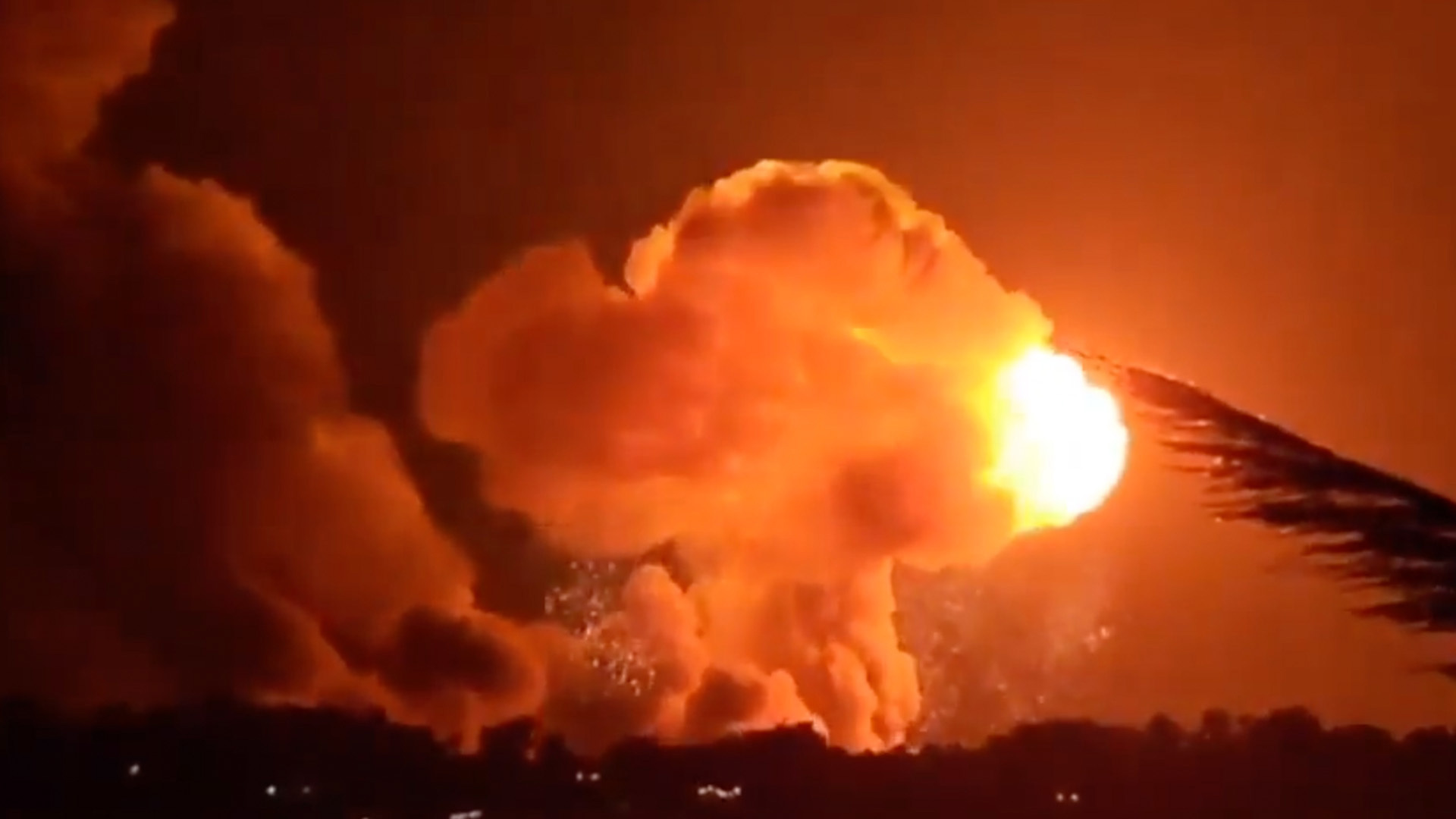
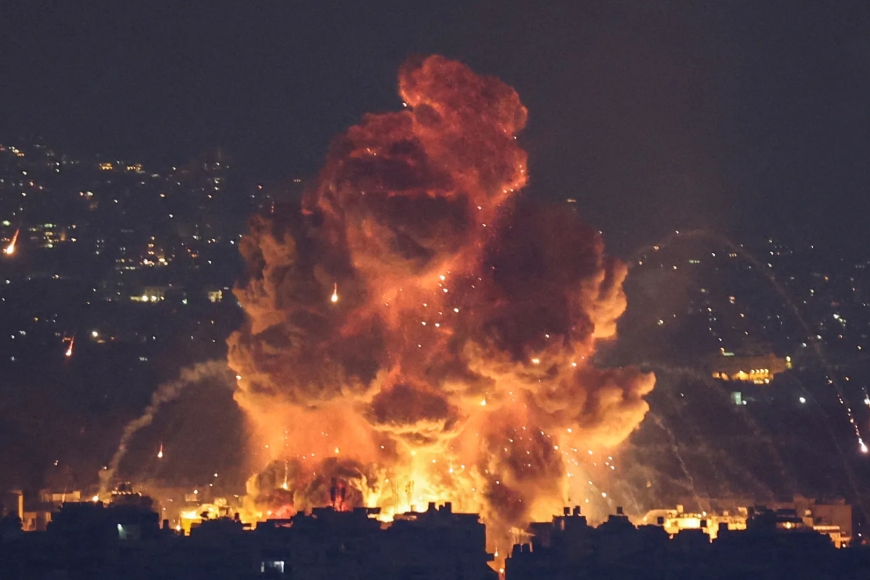
Dozens of airstrikes were carried out across Lebanon, reportedly resulting in numerous deaths and injuries. The strikes affected areas previously considered relatively safe.

US consent to large-scale Israeli actions in Lebanon changes the level of escalation in the region and indicates a shift in the priorities of American policy in the Middle East.

The Zionist regime continues attacks on Lebanon and the Gaza Strip despite the current ceasefire. Residential areas have again come under strikes, and the number of dead and wounded among civilians is increasing.

The Zionist regime carried out three airstrikes on a mosque in the Palestinian camp of Ain al Hilweh in the city of Sidon in southern Lebanon. According to Lebanon’s Ministry of Health, thirteen people were killed and many remain under the rubble. This is the deadliest strike on Lebanon since the start of the Al Aqsa Flood operation.

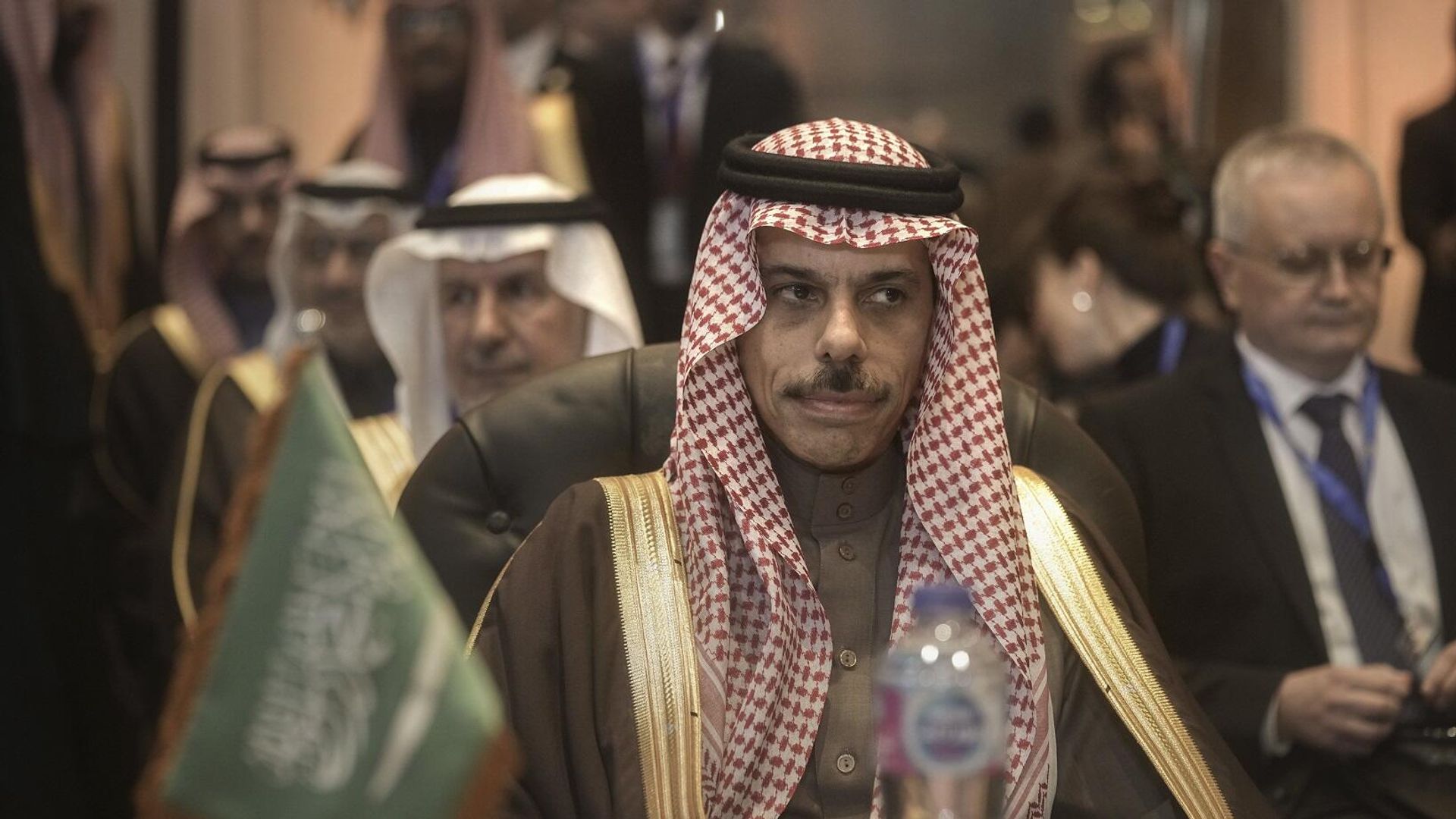
In recent days, intense exchanges have taken place between Saudi Arabia, Lebanon, and the Zionist regime through closed diplomatic channels. According to sources, Riyadh is trying to persuade Israeli leadership to refrain from immediate military action against Lebanon and to allow Beirut time to stabilize the situation.

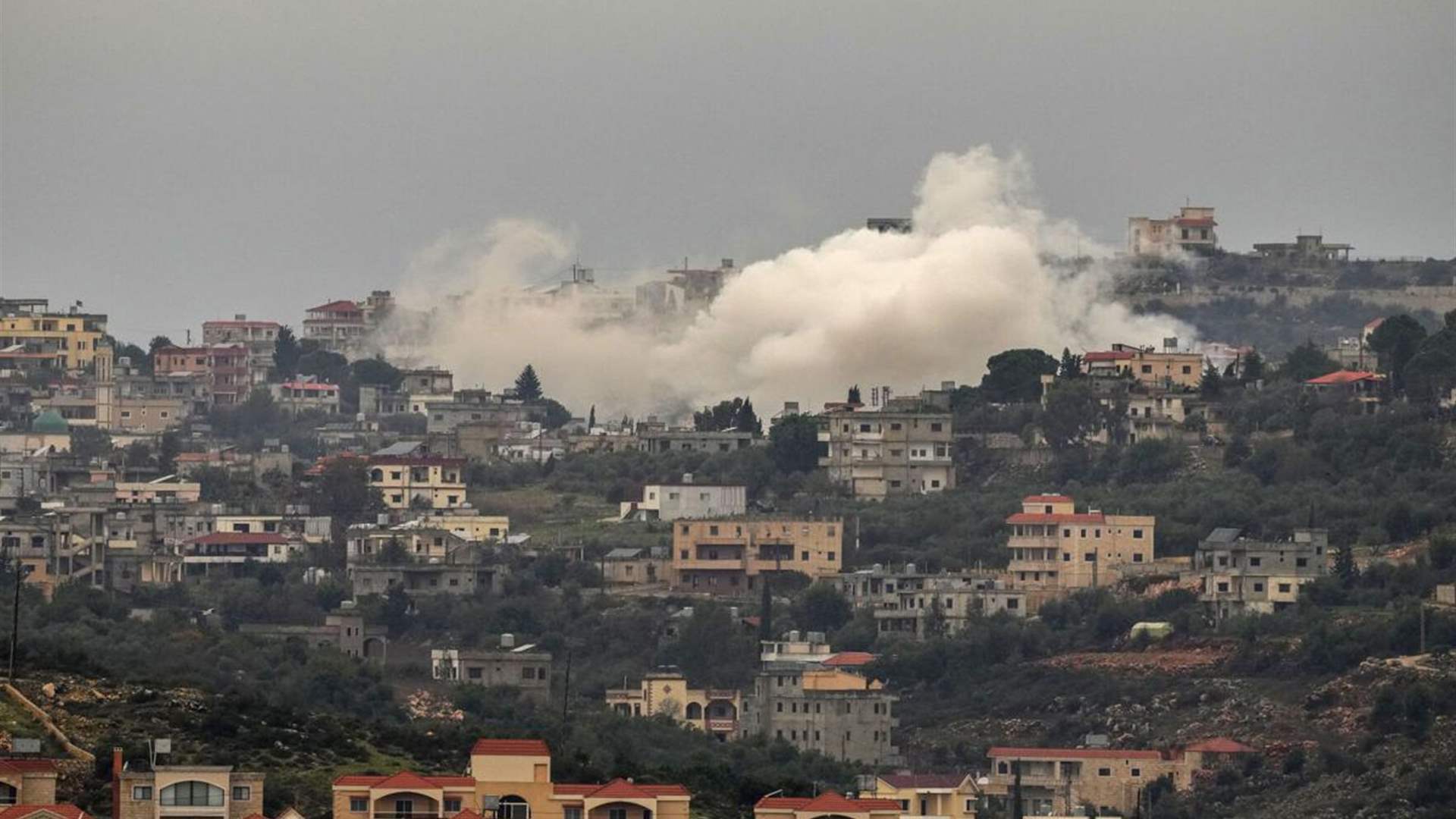
Aircraft of the Zionist regime launched new strikes on southern Lebanon, destroying civilian infrastructure. Asphalt plants, quarries, and fuel storage facilities were hit.

In the city of Aita ash-Shaab in southern Lebanon, an Israeli airstrike destroyed a school for children with disabilities. The incident has been condemned as an attack on a civilian facility.

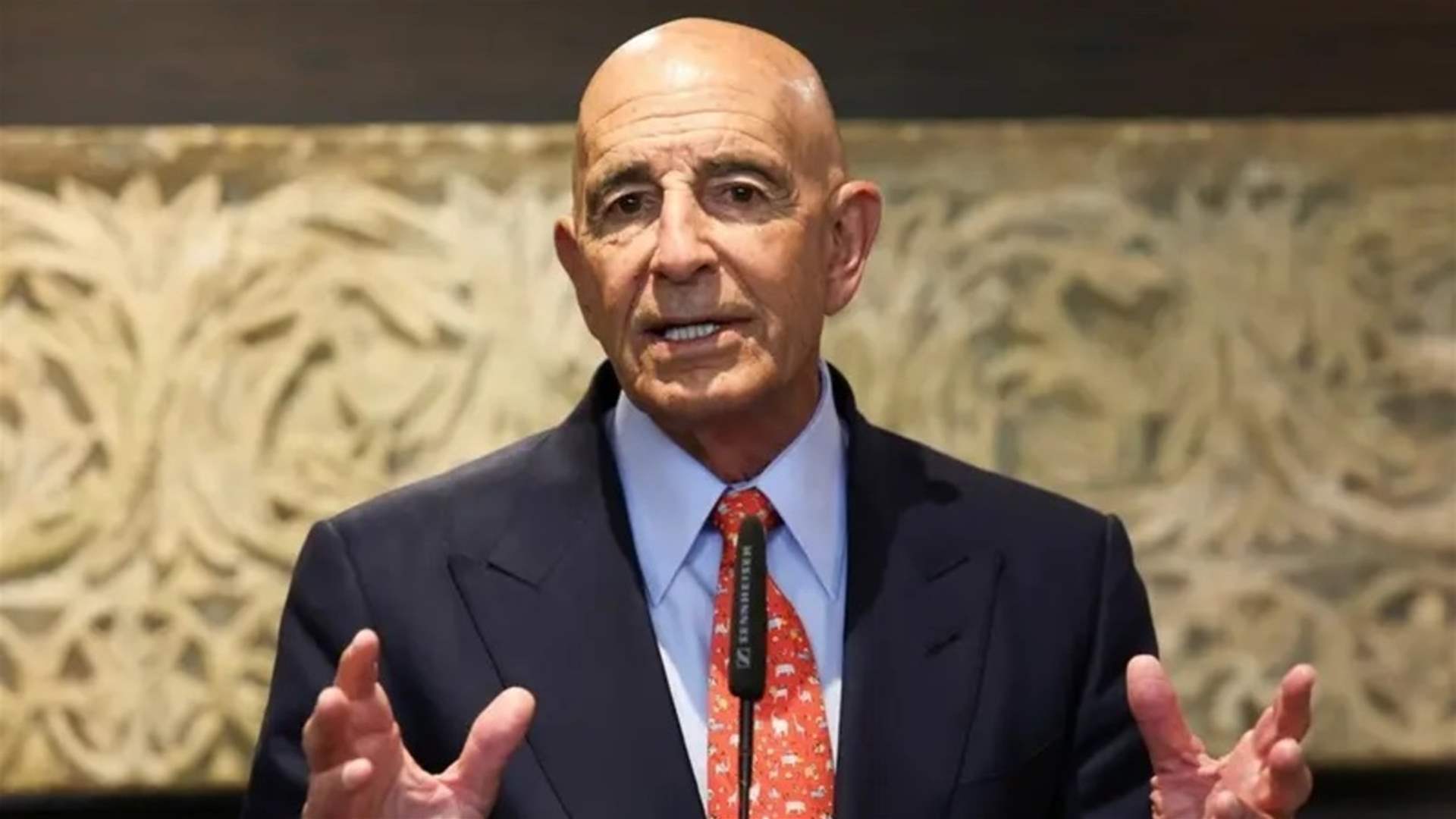
Washington, through its special envoy and diplomatic channels, insists on Lebanon’s cooperation with “Israel”, using economic pressure and offering a “roadmap for dialogue”, which raises concern in Beirut.

Occupation air forces targeted several sites in the Nabatieh area. Reports indicate destruction and casualties.

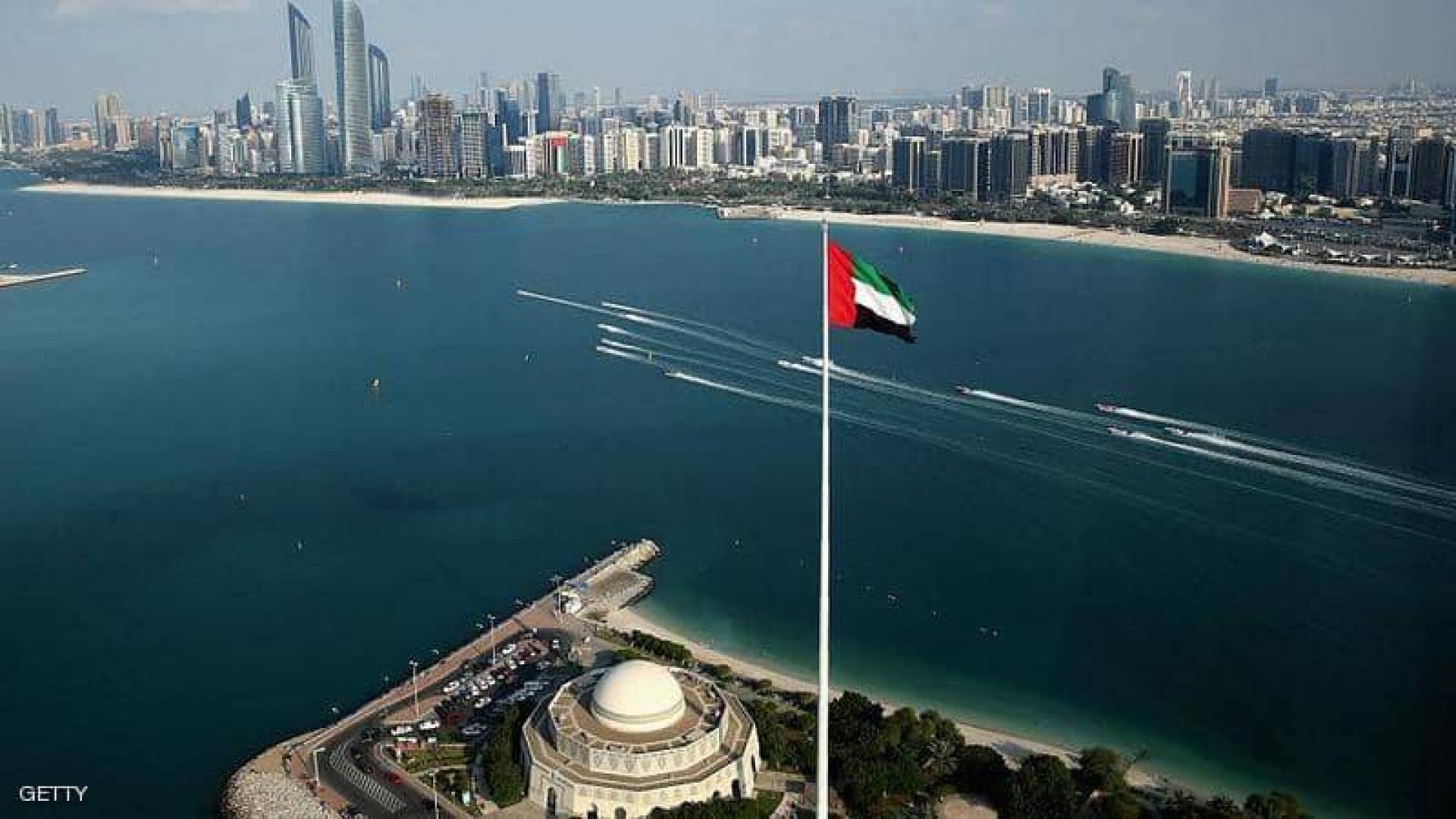
The United Arab Emirates has lifted the travel ban to Lebanon introduced in 2021. The decision followed a meeting between the presidents of both countries. Measures were announced to facilitate travel and launch joint economic initiatives.

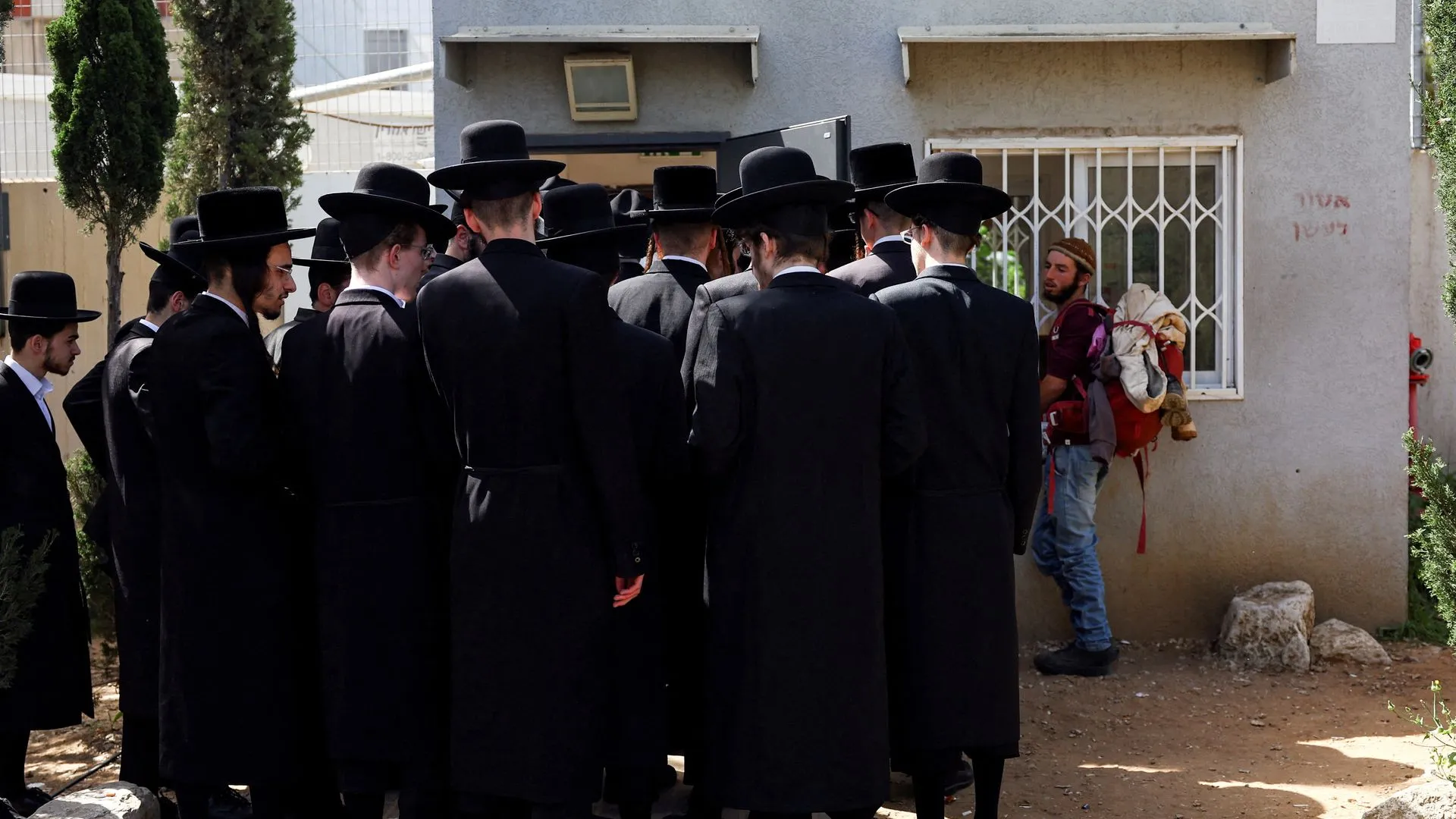
Hundreds of ultra-Orthodox Jews crossed the Lebanese border on Friday to visit a tomb they believe belongs to Rabbi Ashi. The incursion occurred under the protection of the Israeli army, which provoked a strong reaction from Lebanese authorities.

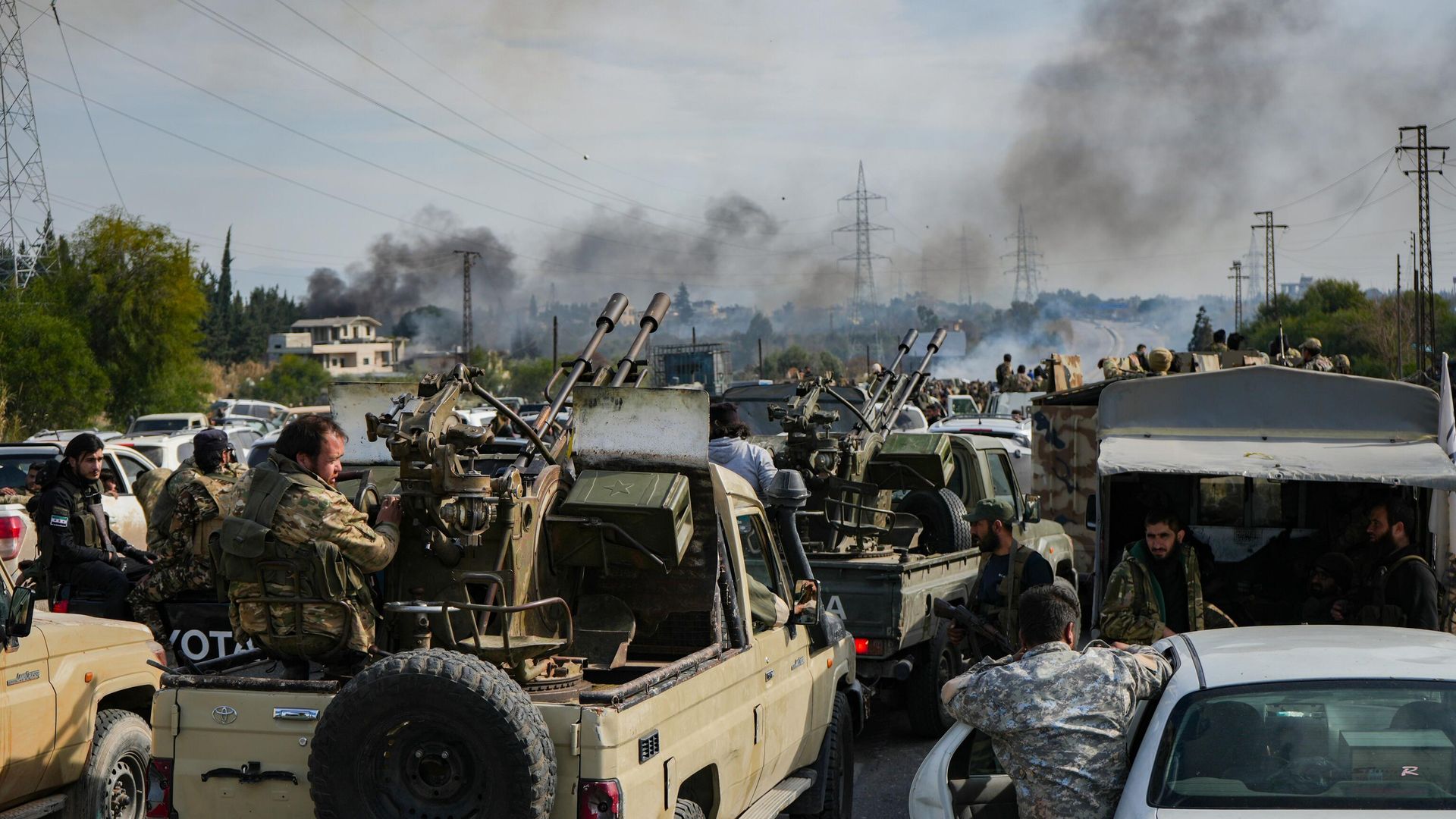
After the change of government in Syria, the country has been engulfed by a wave of brutal repressions. According to media reports, more than 700 civilians have been killed, and the total number of victims has already exceeded 1,000 people. The main targets have been Alawites – the religious community to which former President Bashar al-Assad belonged – as well as Christians, who the new government views as foreign elements in the new political system.

The Israeli army reportedly has a special "looting unit" responsible for seizing items from occupied territories. According to reports, soldiers in this unit confiscate civilians' property in combat zones.

Lebanese Druze leader Walid Jumblatt issued a strong statement against Israel, emphasizing that the Druze do not support cooperation with Zionist forces and will not allow their people to be drawn into regional conflicts.

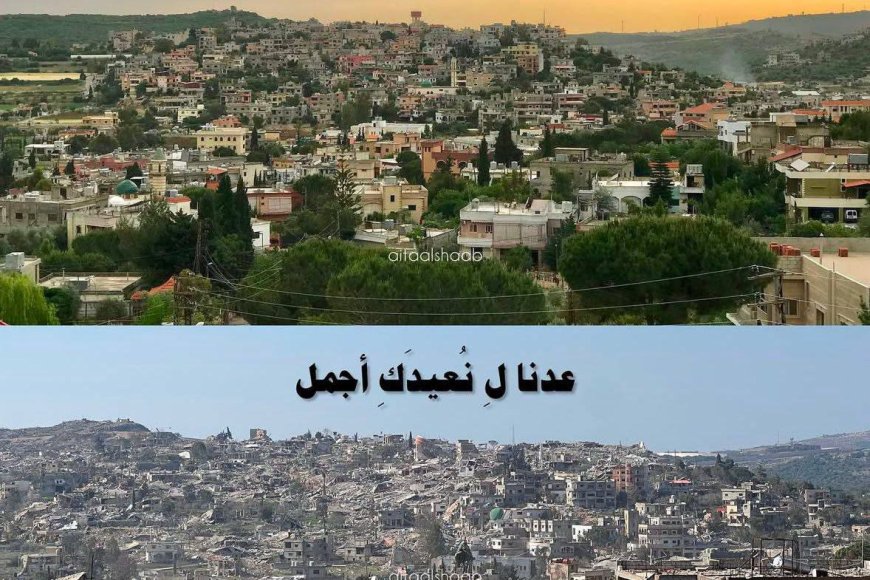
Aita ash-Shaab, a small town in southern Lebanon, has become a symbol of destruction following intense bombings by the Israeli military. Once a bustling community, the town has been reduced to rubble, leaving behind shattered homes, destroyed infrastructure, and displaced families.

Airstrikes in Bekaa Valley escalate tensions in the region

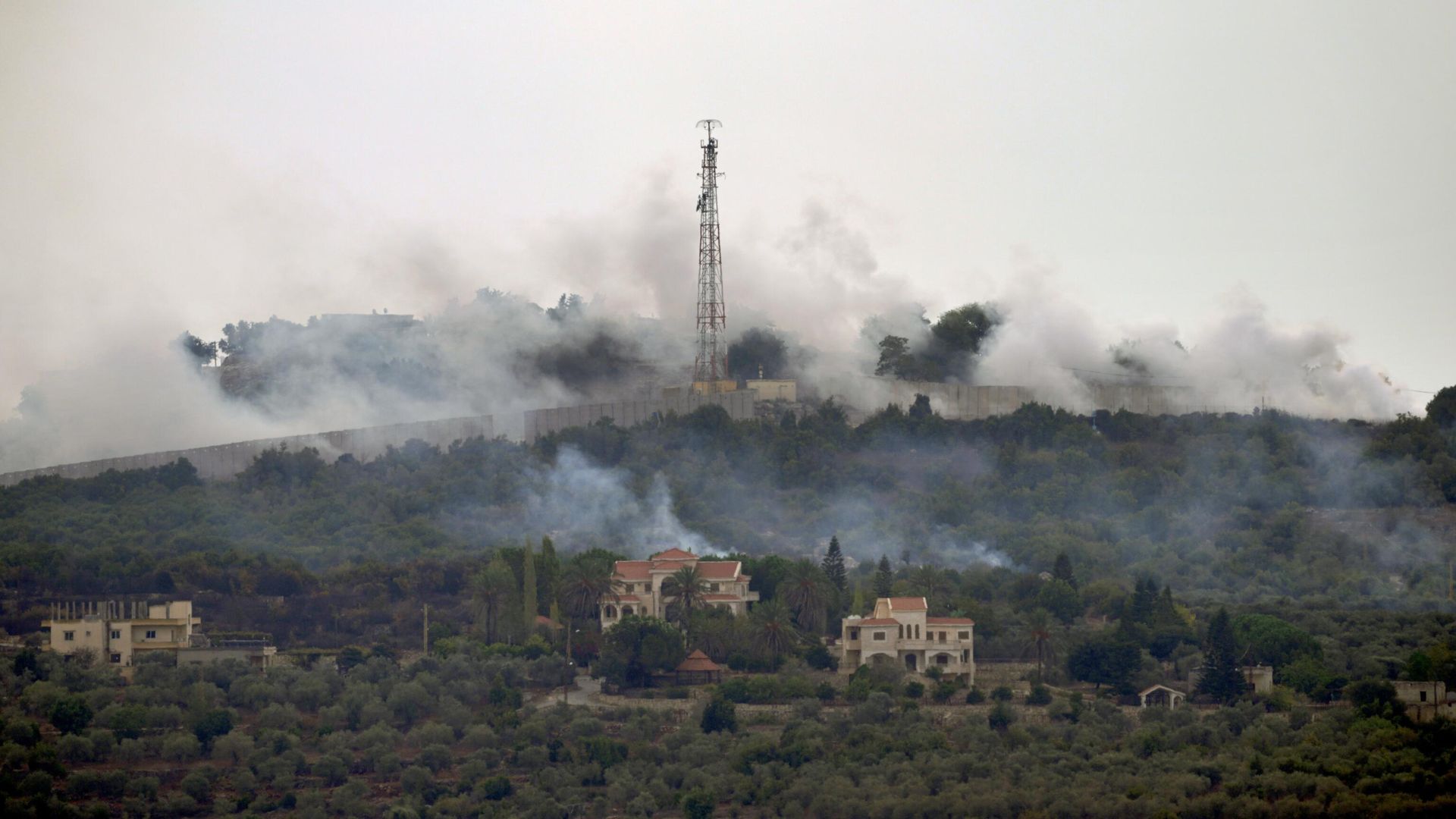
Escalation on the Golan Heights Continues
Жобаны қолдаудың ыңғайлы әдісін таңдаңыз.
Үшінші тарап сайттарына сілтемелер қауіпті болуы мүмкін. Өтпес бұрын мекенжайды тексеріңіз.