
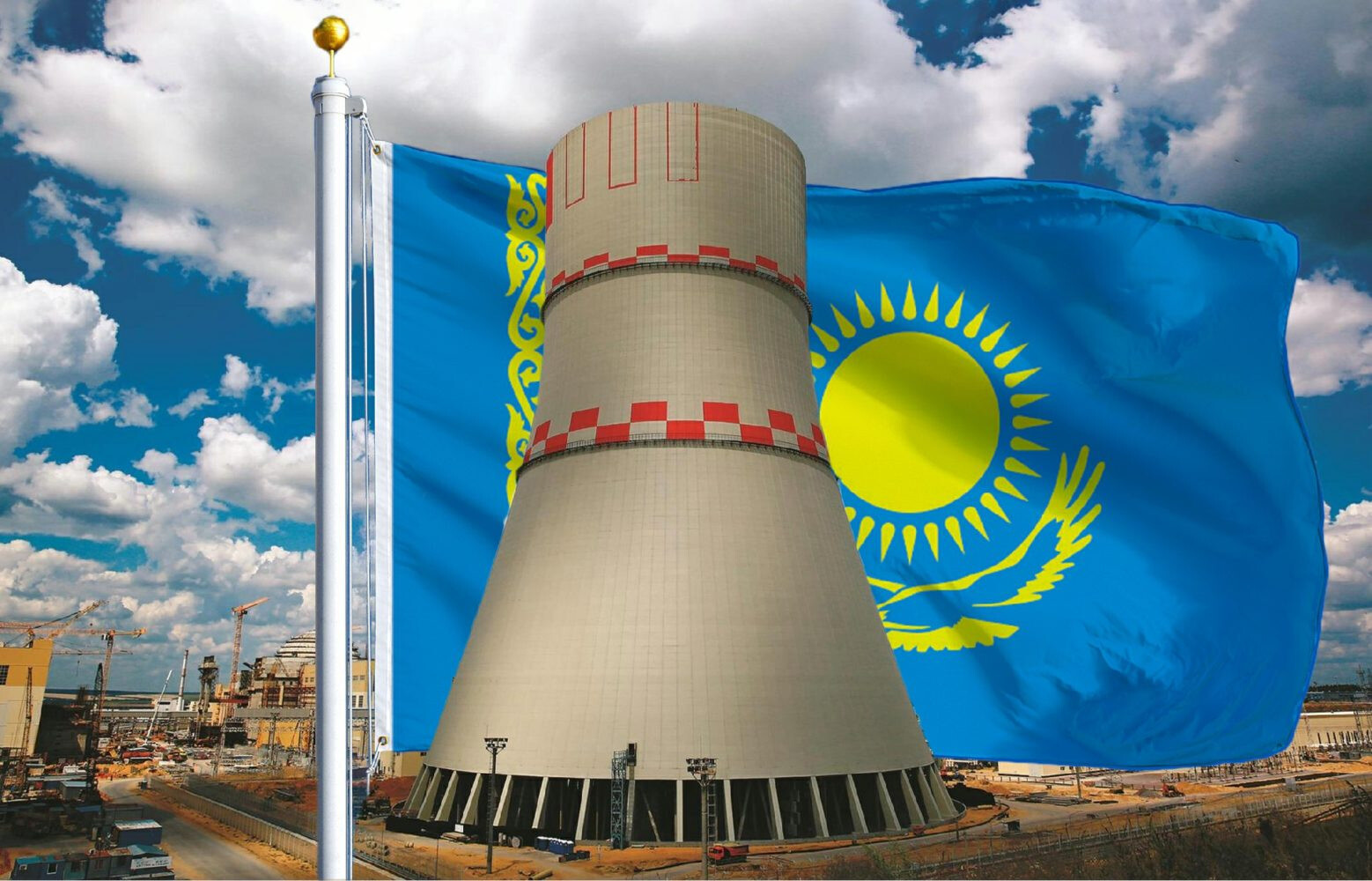
В ходе государственного визита Президента России Владимира Путина в Казахстан был подписан ряд двусторонних документов, включая соглашения в сфере энергетики. Особое внимание стороны уделили проекту строительства атомной электростанции в Казахстане с привлечением российского государственного экспортного кредита.
На пресс-конференции корреспондент Первого канала Антон Верницкий попросил российского лидера подвести итоги визита и прокомментировать экономическую целесообразность участия России в финансировании проекта АЭС, отметив, что Казахстан является экономически развитой страной.
Отвечая на вопрос, Владимир Путин заявил, что финансирование строительства атомной электростанции осуществляется на стандартных для международной практики условиях. По его словам, предоставление экспортных кредитов является распространённым механизмом поддержки национального экспорта товаров и услуг.
Президент России подчеркнул, что выделяемые средства не являются безвозмездной помощью. Кредит будет возвращён в российский бюджет с процентами, соответствующими международным стандартам. Кроме того, реализация проекта позволит загрузить российские предприятия заказами на производство оборудования, а также обеспечит долгосрочное сотрудничество в сфере обслуживания станции, поставок топлива и запасных частей.
Путин отметил, что дополнительным преимуществом является стратегическое партнёрство с Казахстаном в области добычи урана. Республика располагает одними из крупнейших в мире месторождений этого сырья, что делает сотрудничество в атомной энергетике взаимовыгодным для обеих стран.
По словам российского лидера, строительство АЭС выгодно и Казахстану. Проект позволит стране не только сохранять статус крупного поставщика уранового сырья, но и получить доступ к современным технологиям, развивать собственные компетенции в атомной отрасли и готовить квалифицированных специалистов.
Президент России подчеркнул, что речь идёт не просто о строительстве объекта за счёт кредитных средств, а о формировании полноценной отрасли. В рамках проекта планируется активное привлечение местных кадров и компаний. По его словам, при реализации подобных объектов не менее 25% строительных и сопутствующих работ обычно выполняют местные подрядчики.
Москва также готова обеспечить полный цикл сотрудничества, включая поставки ядерного топлива и утилизацию отработанных материалов. Путин сообщил, что стороны обсуждают совместные механизмы обеспечения станции топливом. По его оценке, после ввода в эксплуатацию АЭС сможет обеспечивать около 20% энергопотребления Казахстана.
Российский лидер отметил, что согласование параметров проекта потребовало длительной и масштабной работы. Стороны искали компромиссные решения и в итоге смогли выработать взаимоприемлемый формат взаимодействия.
Подводя итоги государственного визита, Владимир Путин выразил удовлетворение достигнутыми результатами. Он подчеркнул, что отношения между Россией и Казахстаном продолжают укрепляться, а объём двустороннего товарооборота уже превысил 20 миллиардов долларов и сохраняет потенциал для дальнейшего роста.
У Вас есть новости, которые могут стать сенсацией?
Или вы хотите попробовать себя в роли редактора?
На altn.news это возможно!
Выкладывайте свои материалы, делитесь мнением и проверяйте свои способности
как журналиста или редактора.
Это просто:
✅ Скачайте приложение:

✅ Зарегистрируйтесь на сайте.
✅ Создавайте и публикуйте свои новости.
Кто знает, возможно, именно ваш материал станет следующим громким инфоповодом!
Начните уже сегодня на altn.news.

Редакция не несет ответственности за содержание и точность материалов, взятых, присланных или полученных из других источников. Публикация таких материалов осуществляется исключительно в информационных целях и не подразумевает автоматической поддержки или одобрения их содержания.





Комментарии (0)
Войдите, чтобы оставить комментарий.
Оставьте первый комментарий.