Новости Мира
WSJ: ООН столкнулась с финансовым кризисом из-за долгов США и Китая
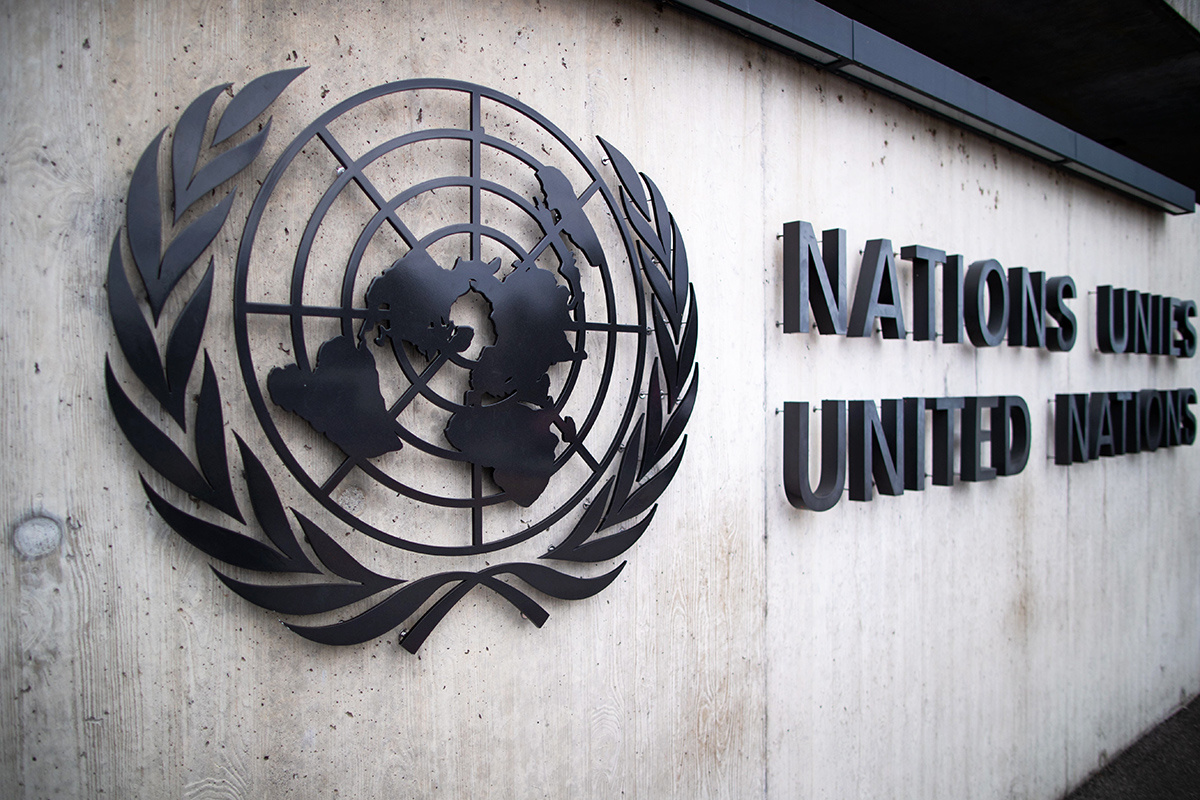
ООН испытывает финансовые трудности из-за задолженности США и Китая по обязательным взносам, сообщает The Wall Street Journal.

ООН испытывает финансовые трудности из-за задолженности США и Китая по обязательным взносам, сообщает The Wall Street Journal.
Эстония начала устанавливать системы обнаружения и мониторинга беспилотников на государственной границе. Первые комплексы уже работают на юго-востоке страны.
Россельхознадзор ввел временные ограничения на ввоз из Армении томатов, огурцов, перцев, зелени и клубники. Решение связано с выявленными фитосанитарными нарушениями, обнаружением карантинных объектов и недостаточной прослеживаемостью экспортируемой продукции.
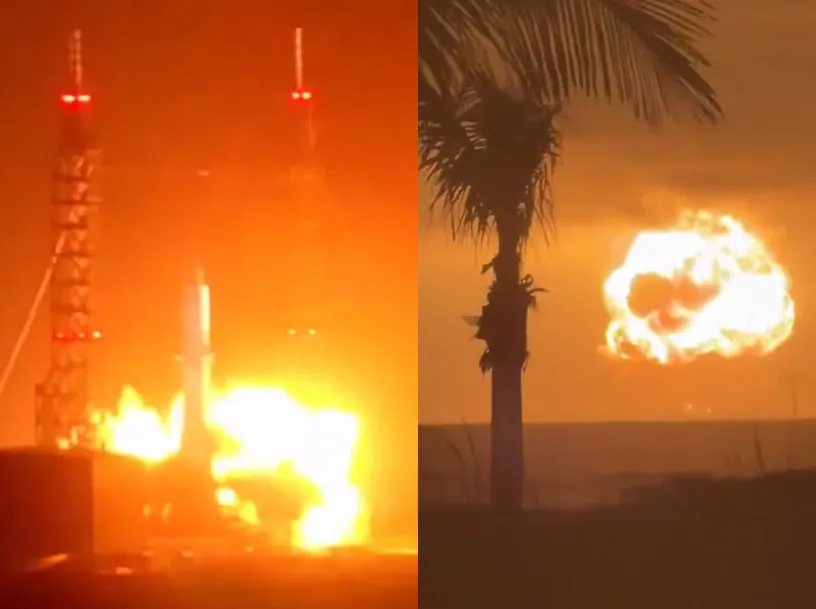
Тяжелая ракета New Glenn компании Blue Origin взорвалась во время огневых испытаний на стартовом комплексе во Флориде. Компания сообщила о возникновении «аномалии» и отсутствии пострадавших.
Владимир Путин заявил, что определить происхождение беспилотника, обнаруженного в Румынии, возможно только после проведения экспертизы. Он подчеркнул необходимость объективного расследования инцидента.
Владимир Путин на Евразийском экономическом форуме подчеркнул роль искусственного интеллекта в развитии экономики, технологий и интеграции стран ЕАЭС, а также призвал к расширению международного сотрудничества в этой сфере.
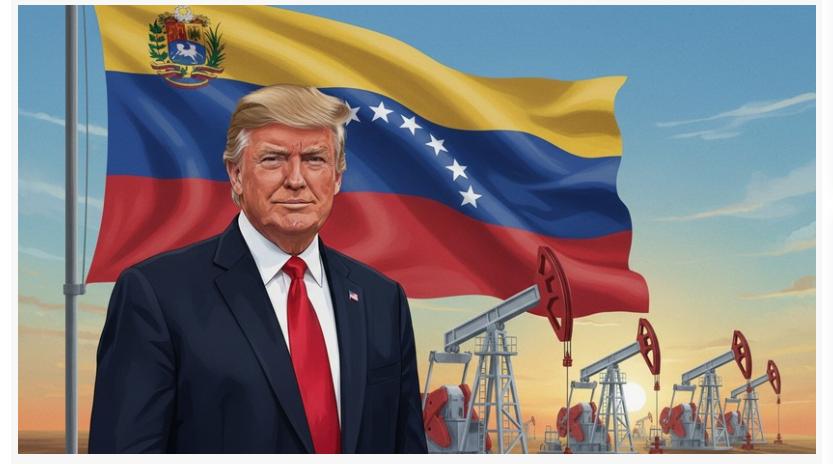
Президент США Дональд Трамп рассматривает возможность присоединения Венесуэла к Соединённые Штаты в качестве 51-го штата. Об этом сообщил журналист Fox News Джон Робертс после телефонного разговора с американским лидером.
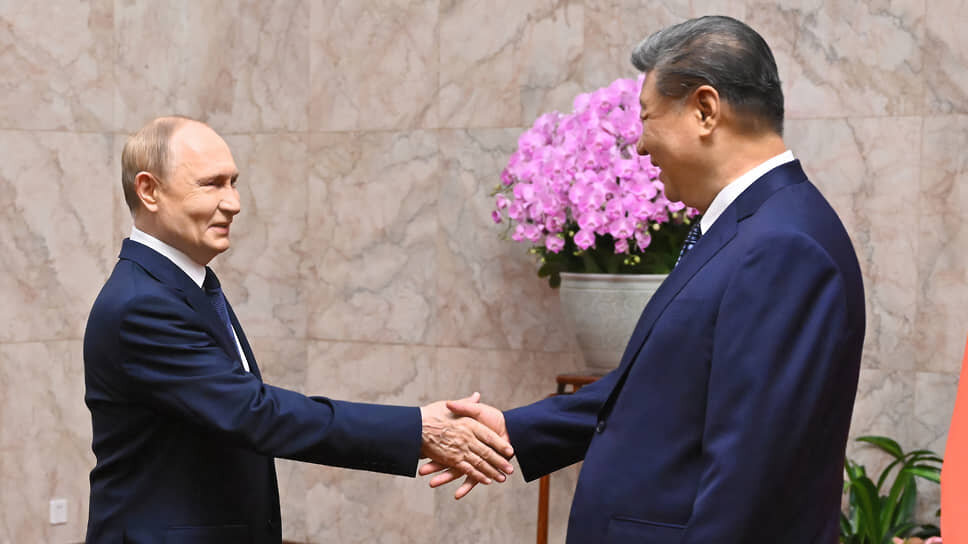
Владимир Путин 19–20 мая посетит Китай с официальным визитом, в ходе которого пройдут переговоры с Си Цзиньпином и подписание совместных документов
Президент России Владимир Путин в ходе общения с журналистами прокомментировал отношения с Арменией, вопросы сотрудничества в рамках ЕАЭС, развитие связей с Белоруссией, Казахстаном и Узбекистаном, а также заявил о важности сохранения исторической памяти о Победе во Великая Отечественная война.
Президент России Владимир Путин прокомментировал инициативу президента США Дональд Трамп о перемирии, обмен пленными и проведение мероприятий ко Дню Победы.

В Екатеринбурге произошло частичное обрушение крыши спортзала колледжа технологий и предпринимательства. Из здания эвакуировались 97 человек, пострадавших нет. Следственный комитет возбудил уголовное дело о халатности.

Минобороны России объявило о введении режима перемирия 8 и 9 мая в связи с празднованием Дня Победы. Ведомство также предупредило о мерах безопасности и возможном ответе в случае угроз.

В центре Вашингтон возле Монумент Вашингтона произошла стрельба с участием сотрудников Секретная служба США. Подозреваемый и несовершеннолетний прохожий получили ранения, район возле Белый дом временно оцепили.
Швеция приступила к развертыванию собственной спутниковой системы, запустив первый аппарат для разведывательных задач.
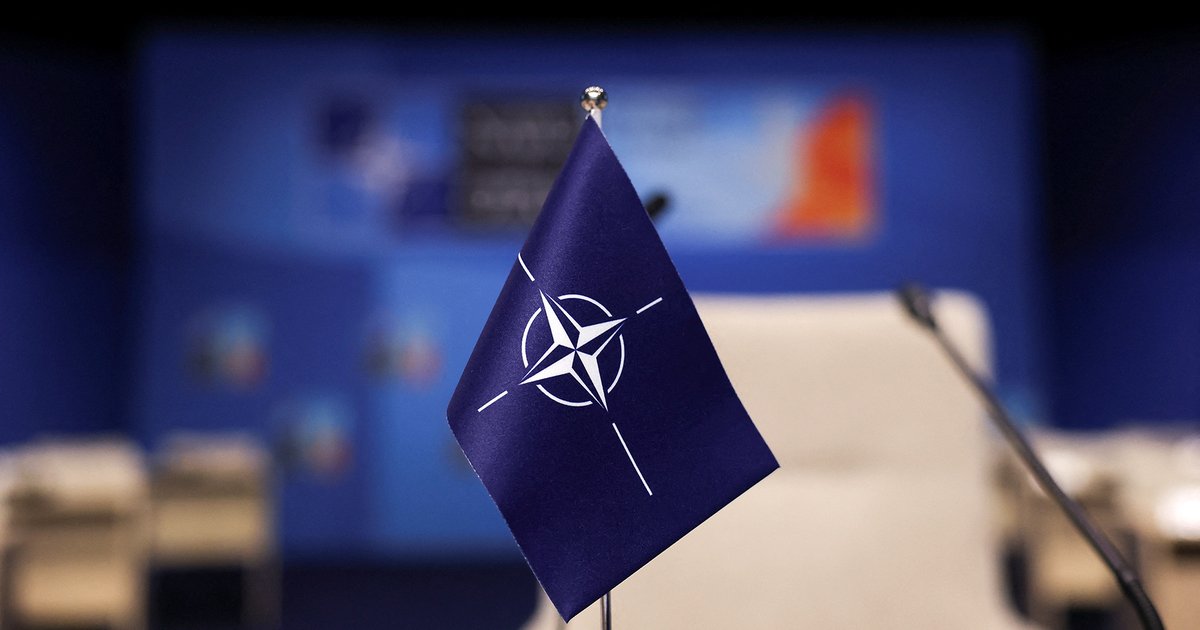
The Guardian сообщает, что НАТО проводит закрытые встречи с представителями киноиндустрии в Европе и США для обсуждения медиаконтента, связанного с вопросами безопасности. Часть участников критикует инициативу.
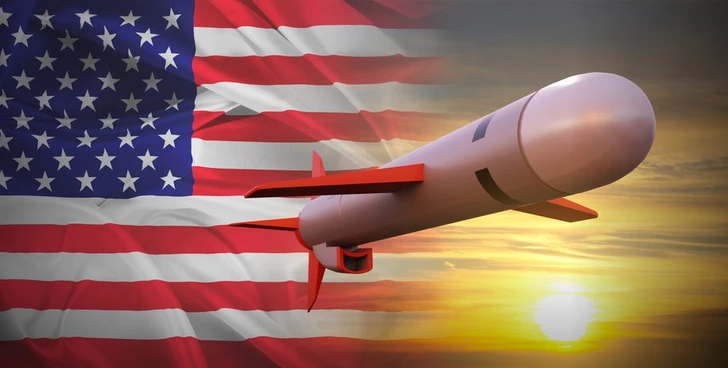
США рассматривают пересмотр размещения ракет Tomahawk в Германии, что может повлиять на ранее согласованные оборонные планы НАТО.
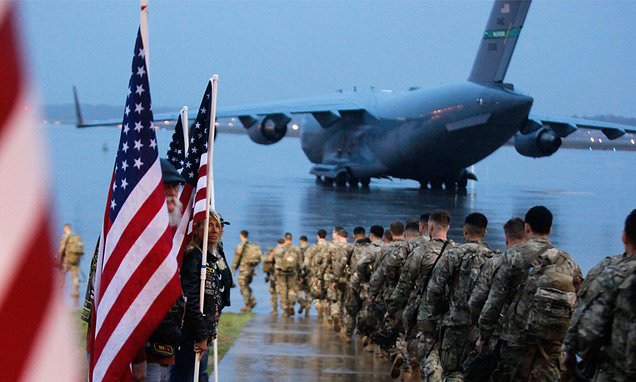
Пентагон решил вывести около 5 тыс. американских военных из Германии в течение 6–12 месяцев в рамках пересмотра военного присутствия США в Европе и перераспределения сил в другие регионы.
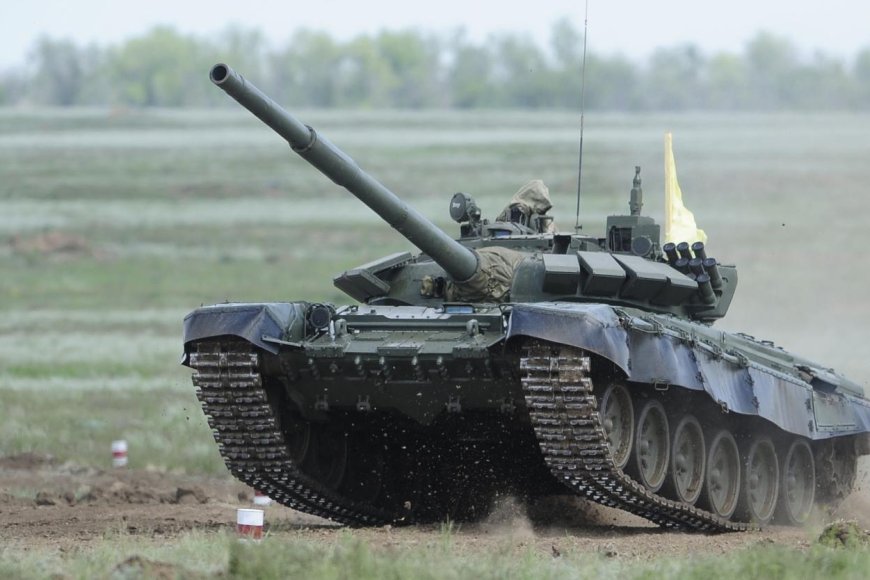
Танк Т-72 занял первое место в рейтинге боевых машин по версии журнала The National Interest. Эксперты отметили его высокую выживаемость, надёжную защиту, дальность хода, простоту производства и потенциал модернизации. Несмотря на развитие современных вооружений, Т-72 сохраняет значимую роль в военных конфликтах.
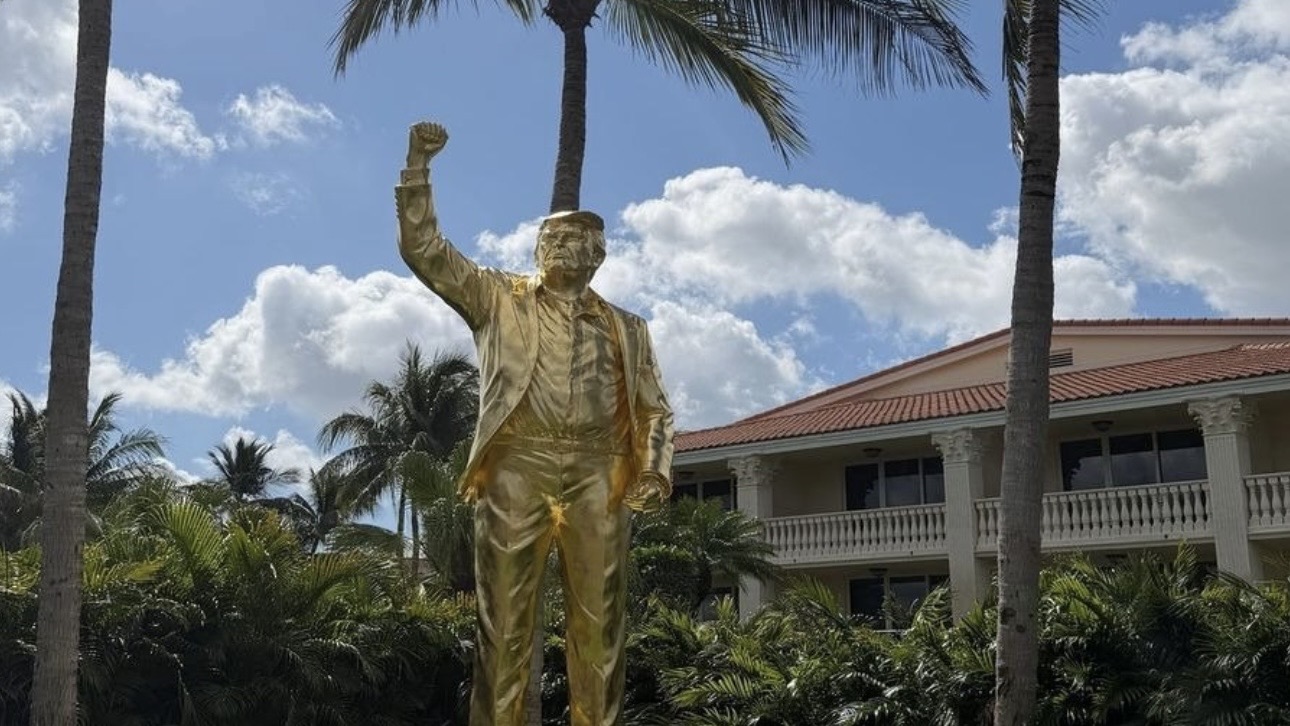
На гольф-курорте Trump National Doral установлена позолоченная бронзовая статуя Дональда Трампа, изображающая его после покушения в 2024 году. Высота скульптуры с пьедесталом — 6,7 метра. Об этом сообщил журнал Golfweek.
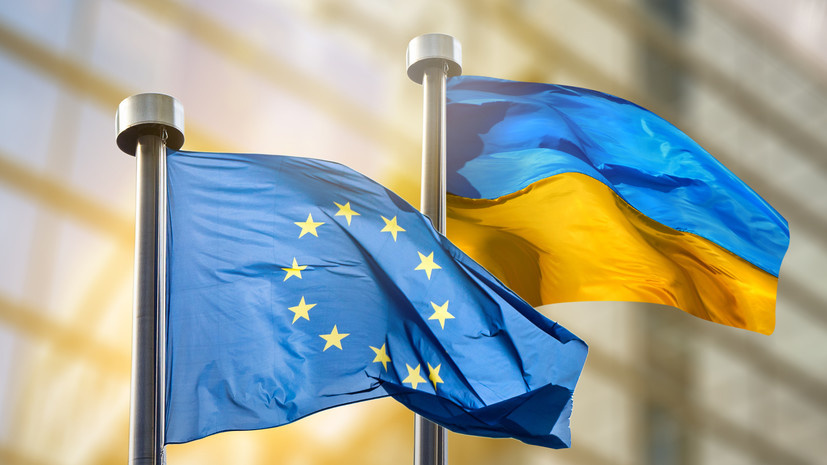
Евросоюз может ужесточить условия финансовой помощи Украине в размере €90 млрд, если Киев не проведёт налоговые реформы. Среди ключевых требований — введение 20% НДС для части бизнеса и налогообложение иностранных посылок. Аналогичные меры также продвигает МВФ, ожидающий от Украины новый транш.
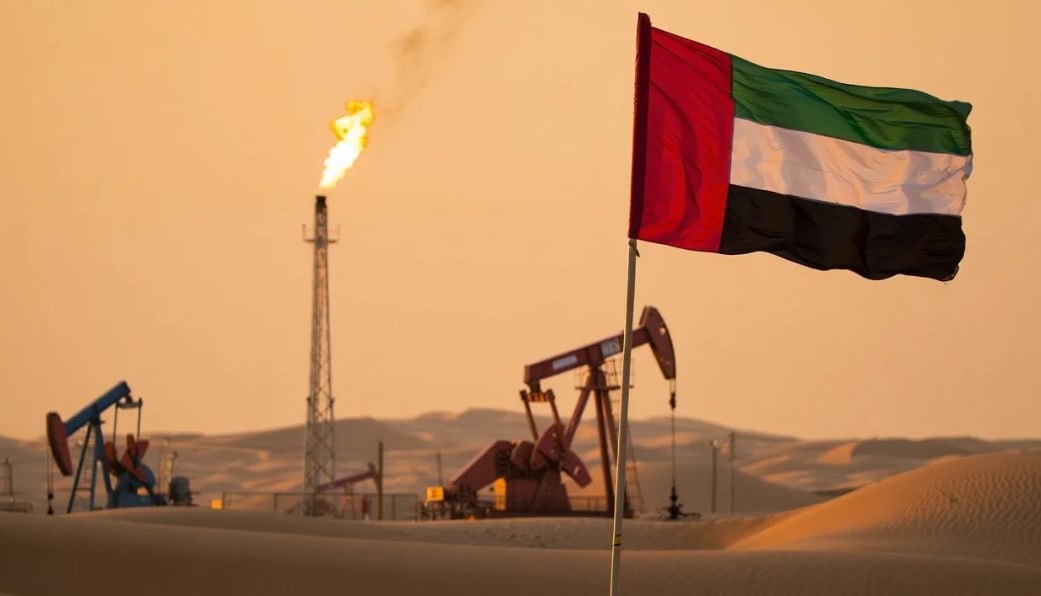
ОАЭ объявили о выходе из ОПЕК и ОПЕК+ с 1 мая 2026 года, объяснив решение стратегическими и экономическими приоритетами. Власти намерены сохранить ответственную политику на рынке и гибко регулировать добычу нефти.
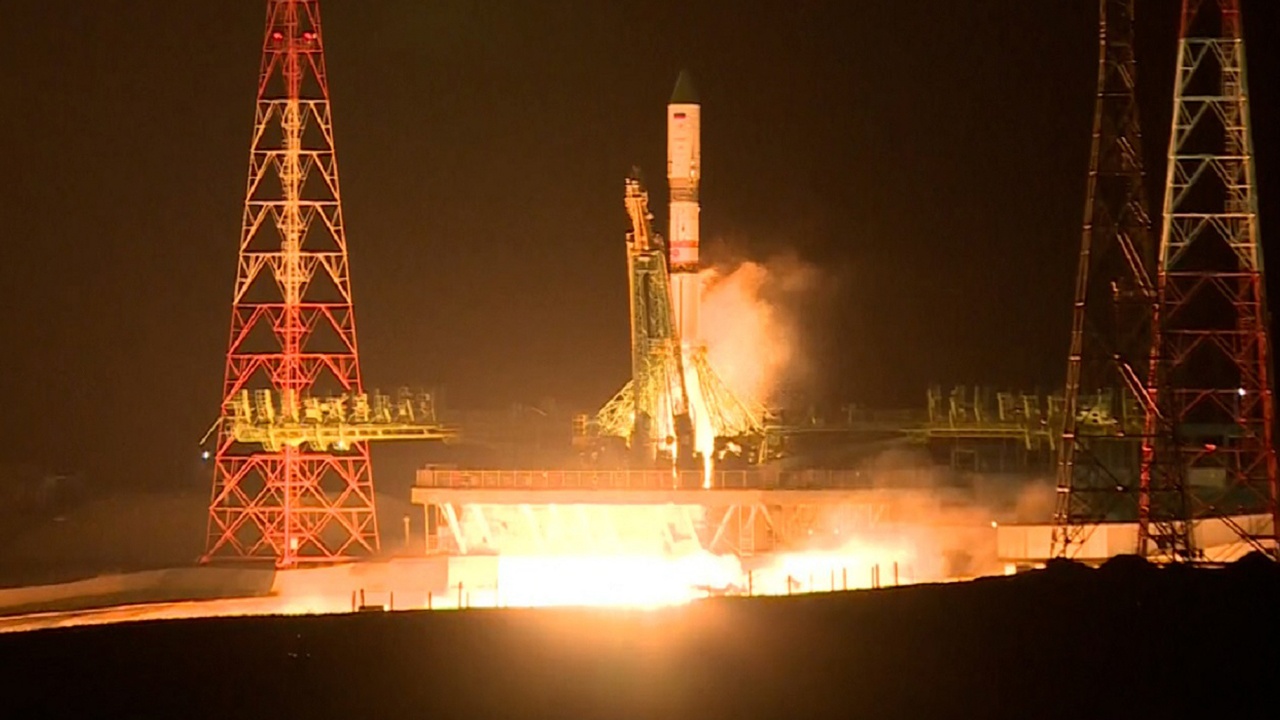
С космодрома Байконур осуществлён запуск грузового корабля «Прогресс МС-34» с ракетой «Союз-2.1а» для доставки около 2,5 тонн грузов на Международную космическую станцию. Полёт предусматривает двухсуточное сближение и автоматическую стыковку с модулем «Звезда» МКС.
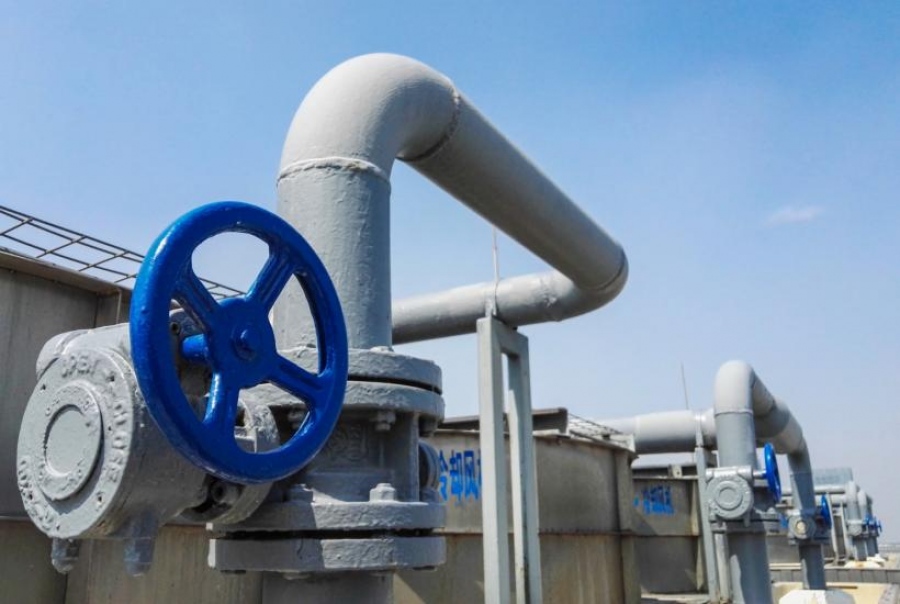
Итальянская компания Eni сообщила о крупном газовом открытии на скважине Geliga-1 в Индонезии. Запасы оцениваются примерно в 5 трлн куб. футов газа и до 300 млн баррелей конденсата.
Молдавия официально уведомила о выходе из СНГ и завершит процедуру в апреле 2027 года, став третьей страной, покинувшей объединение после Грузии и Украины.





Выберите удобный способ поддержать проект.
Ссылки на сторонние сайты могут быть небезопасны. Проверьте адрес перед переходом.