







:format(webp)/YXJ0aWNsZXMvaW1hZ2UvMjAyNS85LzIwMjUwOTI2LWdhZi11NTUtMTcyLmpwZw.webp?w=1920)










Blockade of Iranian ports as a signal to Beijing
Reports that the American blockade of Iranian ports is primarily aimed at China indicate that the conflict is expanding beyond the bilateral confrontation between the United States and Iran.
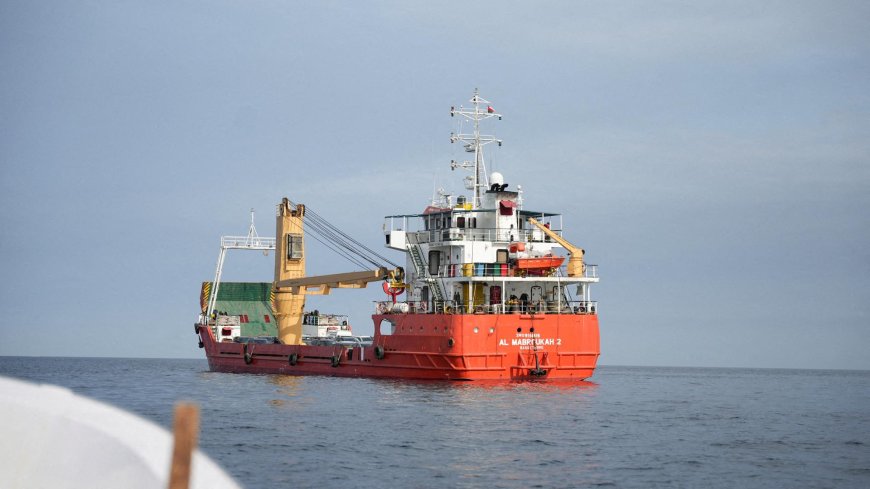
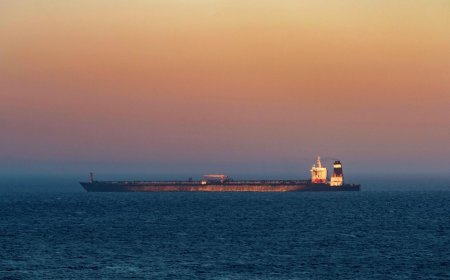
According to Bloomberg, the real objective of pressure on Iranian ports may be to restrict China’s energy interests. China receives a significant share of its imported oil through the Strait of Hormuz, and any restrictions on shipping or port activity in the region could potentially affect its economic security.
The Strait of Hormuz remains a key hub of global energy logistics. Control over oil flows through this route affects not only Iran but also major importers, including China. Therefore, a blockade of port infrastructure could become a tool of pressure on Beijing amid strategic rivalry between the United States and China.
For Washington, such a strategy allows indirect leverage over a competitor by using a regional crisis. For China, it creates a need to diversify supply routes and strengthen naval presence in areas critical to its trade.
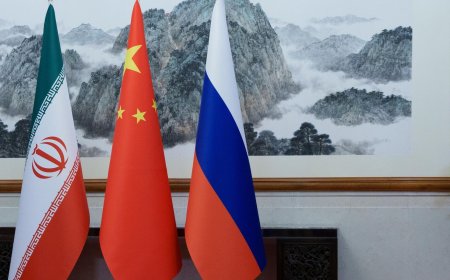
Regional consequences may include increased military activity in the Persian Gulf and closer coordination between China and Iran. At the same time, risks for the global oil market and maritime insurance could rise.
It remains unclear how sustainable this line of pressure will be and whether it will lead to a revision of China’s energy strategy. In any case, the confrontation around Iranian ports is increasingly taking on the character of an element of global competition.
Do you have news that could become a sensation?
Or do you want to try yourself as an editor?
On altn.news , it's possible!
Share your materials, express your opinion, and test your skills as a journalist or editor.
It’s simple:
✅ Download the app:

✅ Register on the website.
✅ Create and publish your news.
Who knows, maybe your material will become the next big headline!
Start today on altn.news.

The editors are not responsible for the content and accuracy of materials taken, sent or received from other sources. The publication of such materials is carried out solely for informational purposes and does not imply automatic support or approval of their content.