













Netanyahu Losing the Battle for Narrative at the UN General Assembly
Netanyahu’s UN speech turned into a failure: real footage of suffering in Gaza destroyed his rhetoric. The Zionist regime is losing control over the information agenda and risks international isolation.
:format(webp)/YXJ0aWNsZXMvaW1hZ2UvMjAyNS85LzIwMjUwOTI2LWdhZi11NTUtMTcyLmpwZw.webp?w=1920)
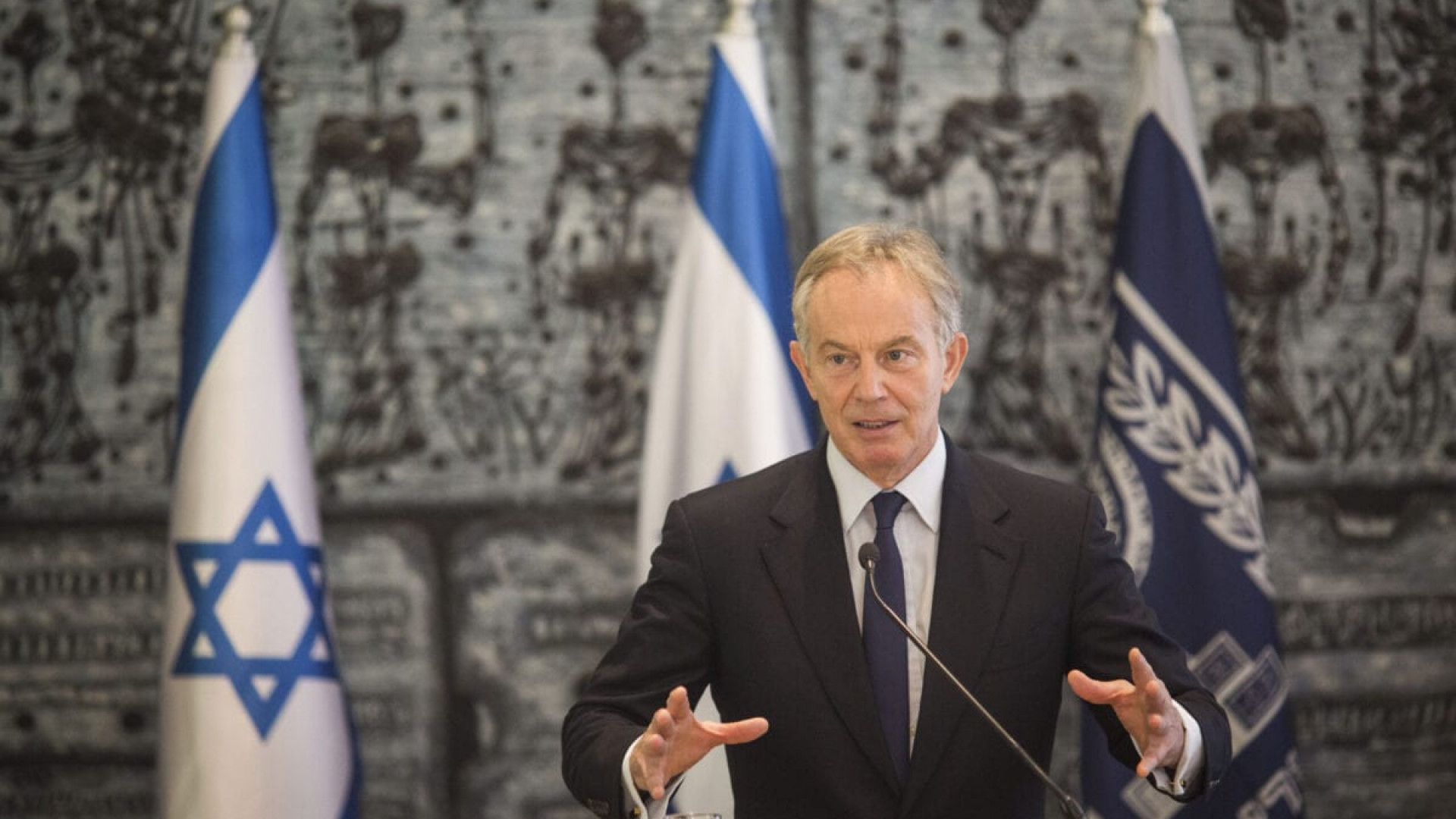
The speech of the Prime Minister of the Zionist regime, Benjamin Netanyahu, at the UN General Assembly became a landmark moment in international politics, but not in the way the speaker had expected. Accompanied by flamboyant gestures and visual tricks, the address looked more like an attempt to divert attention from what is happening in Gaza rather than a convincing speech of a world leader. Yet in a world where global media and social networks broadcast daily images of destroyed neighborhoods, starving children, and humanitarian catastrophe, no rhetorical devices can overshadow reality.
Even Israeli experts are forced to admit that the effect of Netanyahu’s speech was minimal, and in some respects negative for the regime itself. Israeli social media actively discussed the failure of the so-called “psychological war.” Users wrote that “Netanyahu’s cabinet is losing the battle for minds,” and the old methods of influencing the audience no longer work.
The main reason for this defeat lies in the radical change of the information landscape. In the past, labeling Palestinians as “terrorists” was enough to trigger an automatic reaction from the international community. Today such clichés are no longer accepted as arguments. On the contrary, more and more voices are asking: who is actually using terror — the Palestinians defending their land or the Zionist regime that destroys civilians daily?
Real footage from Gaza became the decisive factor. Photos of emaciated children, videos of ruined schools and hospitals, testimonies from eyewitnesses and doctors — all of this is broadcast live through social networks and independent media. In the digital age it is impossible to hide crimes, and no charts, QR codes, or dramatic pauses in Netanyahu’s speech can compete with the living evidence of suffering.
The failures of Netanyahu’s cabinet in the information sphere reflect a systemic problem. This is not about isolated PR mistakes but the collapse of a strategy that for decades provided the regime with cover on the international stage. Today accusations of terrorism sound empty and formal, while references to the “right to self-defense” appear cynical against the backdrop of mass killings of civilians.
Western media increasingly broadcast the Palestinian narrative, highlighting the humanitarian crisis and the need to hold Tel Aviv accountable. In Europe, calls for economic sanctions against the Zionist regime are growing louder. Even in the United States, where the political establishment traditionally supports “Israel,” critical voices are on the rise. Global outrage is growing, and it can no longer be stopped by the usual methods.
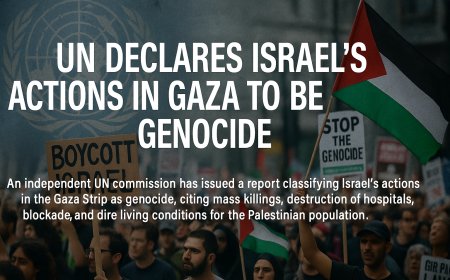
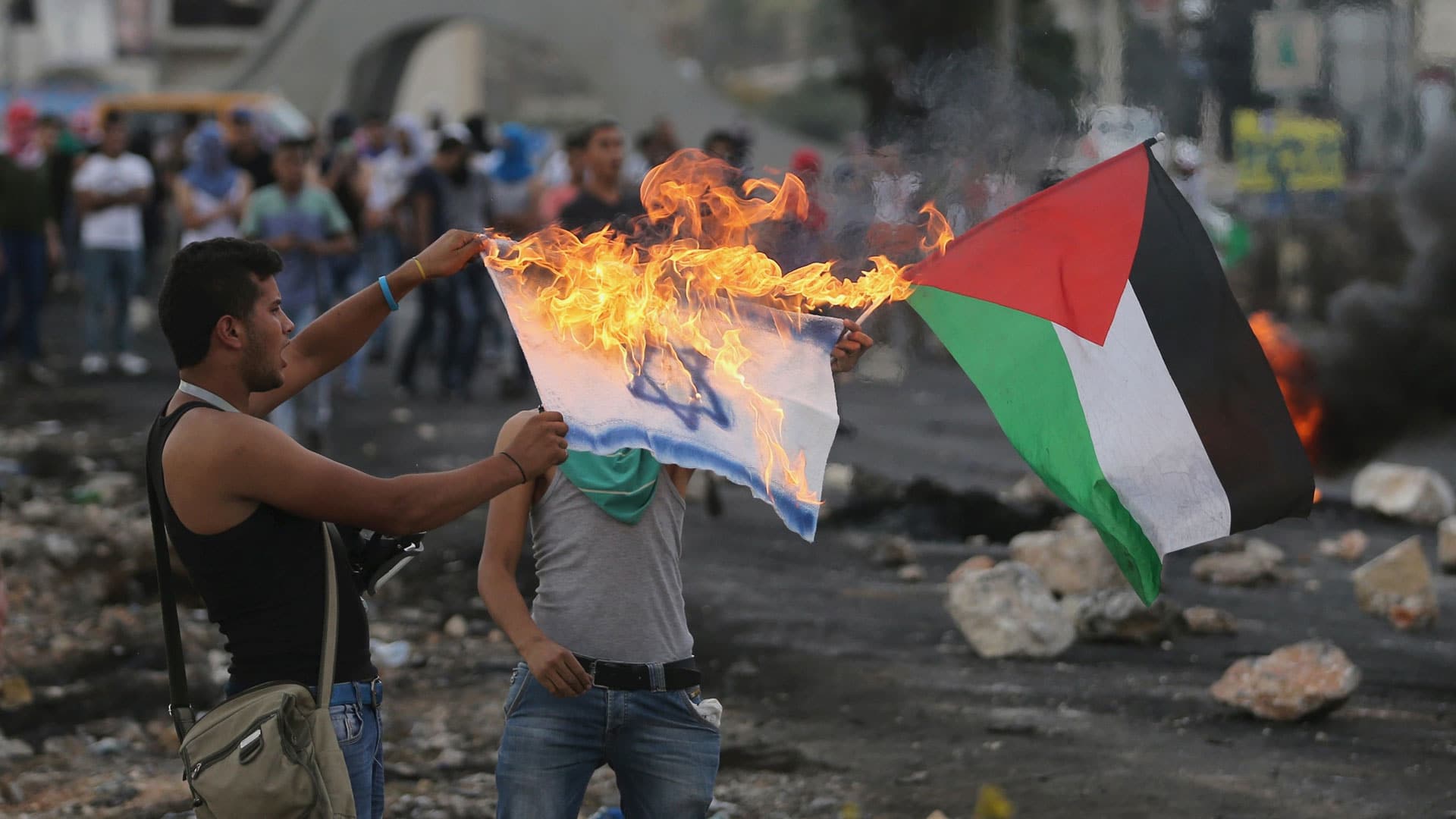
In major world capitals, mass demonstrations in support of Palestine are taking place. Tens of thousands of people march with slogans against occupation and war crimes, demanding an immediate end to genocide. These rallies are not only expressions of solidarity but also a form of pressure on governments, which are forced to heed the position of their citizens. Thus, Netanyahu faces a dual crisis: international isolation combined with internal discontent and loss of trust from part of his own population.
The situation is worsened by the fact that even allies are beginning to distance themselves. In the European Union, proposals for sanctions are being voiced. International investigative commissions openly speak of the genocidal nature of the Zionist regime’s policy. Against this backdrop, Netanyahu’s own admission that the country faces real isolation looks like an acknowledgment of defeat.
This marks a turning point. For the first time in decades, the information agenda has completely slipped out of Tel Aviv’s control. The internet and independent media have destroyed the monopoly of official propaganda, and now the narrative is shaped not in politicians’ offices but in the digital space, where millions of users see the horrors of war daily.
This crisis is a direct result of Netanyahu’s policy. The reliance on aggression, violence, and militarization has turned into a strategic failure in the long term. The international community is no longer willing to ignore the systematic destruction of civilians, and reality can no longer be denied.
Netanyahu’s UN speech only highlighted the gap between official rhetoric and the real picture on the ground. The world no longer believes in old narratives. If the Zionist regime does not change its course, international isolation will become irreversible, and the loss of control over the conflict’s information framework will lead to the final collapse of its propaganda machine.
Do you have news that could become a sensation?
Or do you want to try yourself as an editor?
On altn.news , it's possible!
Share your materials, express your opinion, and test your skills as a journalist or editor.
It’s simple:
✅ Download the app:

✅ Register on the website.
✅ Create and publish your news.
Who knows, maybe your material will become the next big headline!
Start today on altn.news.

The editors are not responsible for the content and accuracy of materials taken, sent or received from other sources. The publication of such materials is carried out solely for informational purposes and does not imply automatic support or approval of their content.