
:format(webp)/YXJ0aWNsZXMvaW1hZ2UvMjAyNS85LzIwMjUwOTI2LWdhZi11NTUtMTcyLmpwZw.webp?w=1920)














Explosion in Iran's Bandar Abbas Port May Affect Kazakhstan’s Logistics
The explosion in Iran’s key port raised concerns across Central Asia. Kazakhstan and other participants of the North–South corridor are assessing potential consequences for regional logistics.
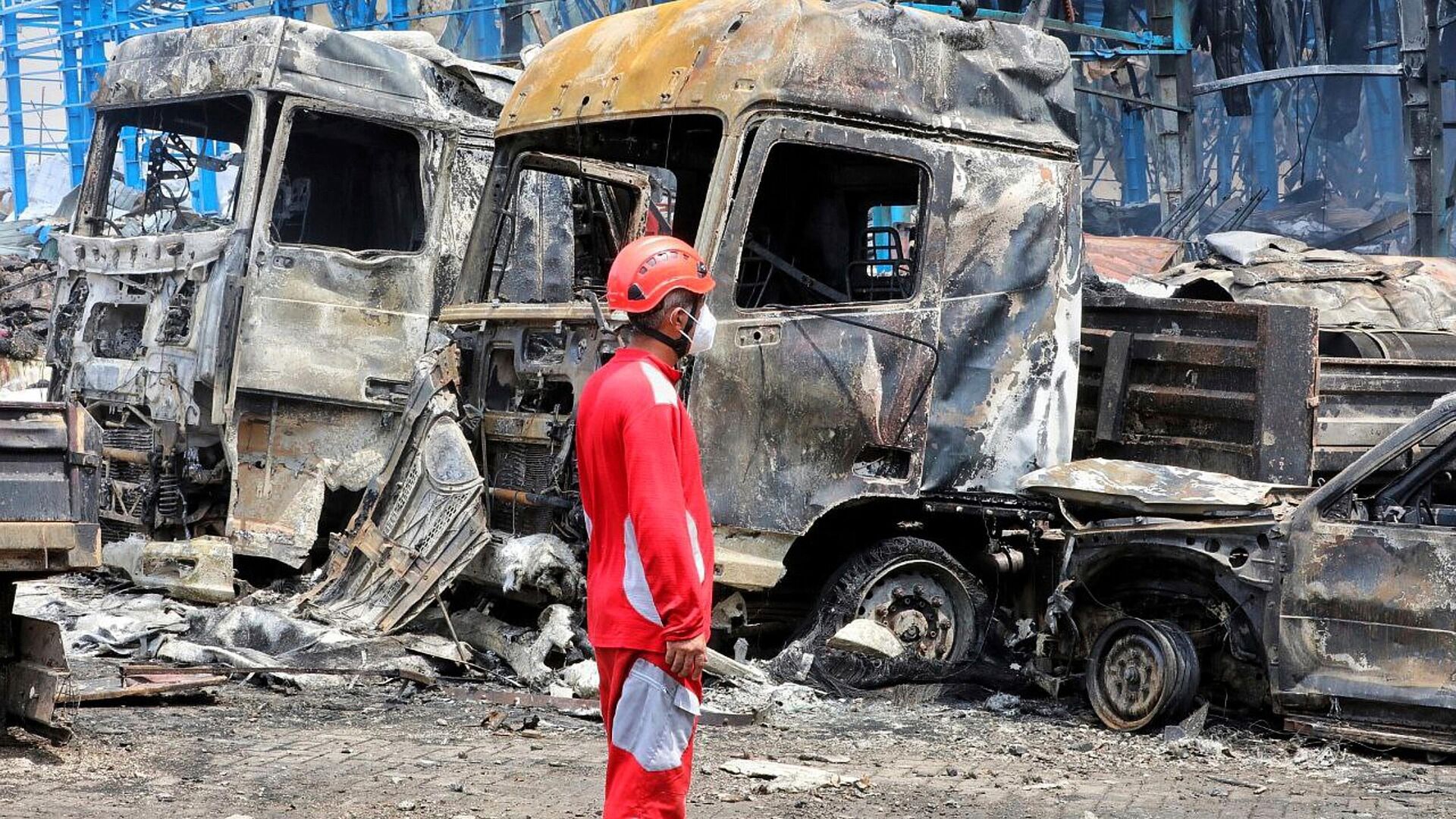
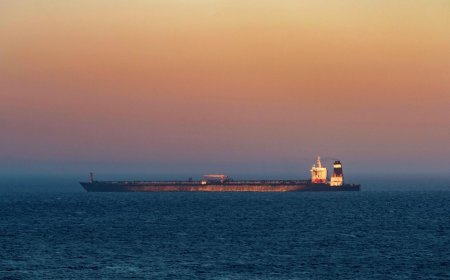
As a result of a powerful explosion that occurred in Iran's Bandar Abbas port, at least 40 people were killed and more than 1,200 injured. The port has suspended its operations, and the consequences of the incident have caused concern beyond Iran, including among Central Asian states. Bandar Abbas is a crucial logistics hub on the International North–South Transport Corridor (INSTC), linking India, Iran, Russia, Kazakhstan, and European countries.
Preliminary reports suggest the explosion may have been caused by violations in the storage conditions of petrochemical substances. Some sources in Iran have not ruled out the possibility of sabotage, although the country’s Ministry of Defense has denied the presence of military cargo and stated that the incident is being used as part of an information campaign against the Islamic Republic. The press office emphasized that there were no military facilities or weapons at the site.
Previously, international media outlets published unconfirmed reports regarding the shipment of solid rocket fuel through Bandar Abbas, which Iranian officials claim may be part of a disinformation campaign. The coincidence of such reports with the incident itself has raised concerns and suspicions of coordinated actions aimed at undermining trust in the regional logistics system.
The incident occurred during the renewal of nuclear talks between Iran and the U.S., and amid ongoing discussions on the development of the North–South route. The third round of negotiations on this corridor was held in Oman with representatives from Russia, Iran, Kazakhstan, Azerbaijan, and Turkmenistan. The corridor is seen as an alternative to routes passing through the Suez Canal and Europe, intended to strengthen the region’s independence from geopolitical instability.
The route allows cargo transportation times from India and Southeast Asia to Europe to be reduced by more than half. Compared to sea routes, transit through Bandar Abbas and onward via Iran and Russia’s railway networks to Baltic Sea ports provides significant reductions in both logistics costs and associated risks.
For Kazakhstan, the incident at the Iranian port carries special significance. The country is actively involved in developing multimodal routes connecting Asia and Europe and is focused on diversifying its export directions. Damage to the reputation of Bandar Abbas may lead to a reassessment of both short-term and long-term plans, particularly in the context of instability in other transit zones.
Alternative routes through Afghanistan continue to face persistent challenges, including internal instability and the lack of reliable infrastructure. Against this background, the North–South project remains one of the few realistic options for Kazakhstan to gain access to the Persian Gulf and Indian Ocean. The incident in Iran highlights the need for additional mechanisms to protect logistics infrastructure.
The escalation around Bandar Abbas port has become a topic of discussion among experts. Some analysts do not rule out the possibility that the explosion could have been part of actions aimed at disrupting key logistics initiatives. Precedents in other parts of the world—such as in the Strait of Hormuz, off the coast of Yemen, and in the Red Sea—confirm that critical logistics nodes are increasingly targeted by external interference.
Against this backdrop, Kazakhstan and other countries in the region should assess vulnerabilities in their own transport routes. The safety and resilience of logistics networks have become matters of national importance, especially in the context of growing competition over transit flows and routes. Potential disruptions in the transport system can impact macroeconomic indicators, currency exchange rates, export costs, and the overall stability of logistics chains.
Among the key priorities, experts highlight the need to develop domestic capacity for cargo reception, storage, and processing; to modernize border infrastructure; to digitize logistics processes; and to pursue integration with partners under Eurasian initiatives. Special attention should be paid to cybersecurity and the protection of critical infrastructure.
The potential loss of confidence in Bandar Abbas could increase dependency on northern supply routes through Russia and China. This, in turn, would limit the flexibility of Kazakhstan's external economic decisions and reduce its resilience to external shocks. Under such conditions, the accelerated development of alternative routes, including the Trans-Caspian International Transport Route, becomes essential.
The incident in Iran has shown the importance of reliable partnerships and coordination in logistics security. A response to the situation may involve creating a collective mechanism to protect key infrastructure and expanding data-sharing cooperation between countries in the region. Without such measures, no transport project can be considered truly sustainable.
The events in Bandar Abbas pose a challenge that goes beyond one country. It is a signal to all participants of the Eurasian logistics system about the need for a comprehensive approach to infrastructure protection. For Kazakhstan, this means a strategic reassessment of its export-import chains and the formulation of long-term solutions aimed at reducing dependence on unstable routes.
Given these factors, it would be reasonable to initiate the establishment of an intergovernmental monitoring mechanism to ensure the stability of logistics corridors in the region. Such a structure could provide real-time risk assessment, emergency coordination, and information exchange among member states, with Kazakhstan playing a key role in the Eurasian transport system.
Do you have news that could become a sensation?
Or do you want to try yourself as an editor?
On altn.news , it's possible!
Share your materials, express your opinion, and test your skills as a journalist or editor.
It’s simple:
✅ Download the app:

✅ Register on the website.
✅ Create and publish your news.
Who knows, maybe your material will become the next big headline!
Start today on altn.news.

The editorial board is not responsible for the content and accuracy of material taken, sent or obtained from other sources. The publication of such materials is for informational purposes only and does not imply automatic endorsement or approval of their content.