




:format(webp)/YXJ0aWNsZXMvaW1hZ2UvMjAyNS85LzIwMjUwOTI2LWdhZi11NTUtMTcyLmpwZw.webp?w=1920)









Georgia will not receive EU financial assistance by the end of 2025
The European Commission said that Georgia will remain without EU financial assistance by the end of 2025. The issue concerns €120 million frozen back in 2024 due to the country’s failure to meet democratic criteria.
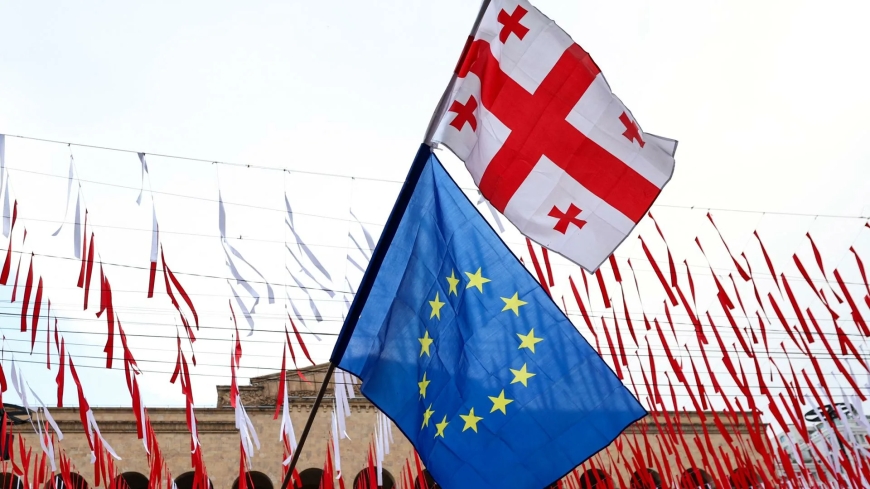
By the end of 2025, Georgia will not receive financial support from the European Union. The European Commission indicated that the previously frozen funds will not be unfrozen this year, while prospects for resuming assistance in 2026 remain uncertain. The amount in question is €120 million, the allocation of which was suspended back in 2024.
In Brussels, it was explained that the decision is linked to the assessment of Georgia’s internal political situation. European institutions concluded that the country does not meet the established criteria in the areas of democracy, the rule of law, and institutional reforms. These factors became the basis for suspending financial programs aimed at supporting public administration and socio-economic projects.
It is noted that the decision to freeze the funds was taken within the framework of the EU’s conditionality mechanism applied to partner countries. This mechanism links financial assistance to compliance with certain political and legal standards. In Georgia’s case, according to the EU’s assessment, the required conditions were not met, which affected the future of the funding.
The European Commission also pointed to the lack of progress that could serve as grounds for revising its position. According to its representatives, the situation that emerged in 2024 did not undergo significant changes in 2025, reducing the likelihood of restoring support in the short term. The possibility of resuming assistance in 2026 is directly linked to further political steps by the Georgian authorities.
EU financial assistance was viewed as one of the sources of external funding for the implementation of reforms and budget programs. The absence of these funds may require a redistribution of internal resources or the search for alternative sources of financing. At the same time, official representatives of Georgia have previously stated their intention to continue dialogue with European institutions.
The situation surrounding EU assistance reflects a broader context of relations between Brussels and Tbilisi. In recent years, interaction between the two sides has been complicated by disagreements over political direction, legislation, and domestic political processes. The EU’s financial decisions have become part of this overall dynamic.
Thus, as of the end of 2025, Georgia remains without European financial support, and the question of its possible resumption is postponed to a later period and depends on further developments in the country’s internal political situation.
Do you have news that could become a sensation?
Or do you want to try yourself as an editor?
On altn.news , it's possible!
Share your materials, express your opinion, and test your skills as a journalist or editor.
It’s simple:
✅ Download the app:

✅ Register on the website.
✅ Create and publish your news.
Who knows, maybe your material will become the next big headline!
Start today on altn.news.

The editors are not responsible for the content and accuracy of materials taken, sent or received from other sources. The publication of such materials is carried out solely for informational purposes and does not imply automatic support or approval of their content.