
:format(webp)/YXJ0aWNsZXMvaW1hZ2UvMjAyNS85LzIwMjUwOTI2LWdhZi11NTUtMTcyLmpwZw.webp?w=1920)













India and Pakistan engage in largest air battle in years
125 fighter jets were involved in a clash near the border, with both sides exchanging missile strikes without violating each other’s airspace.
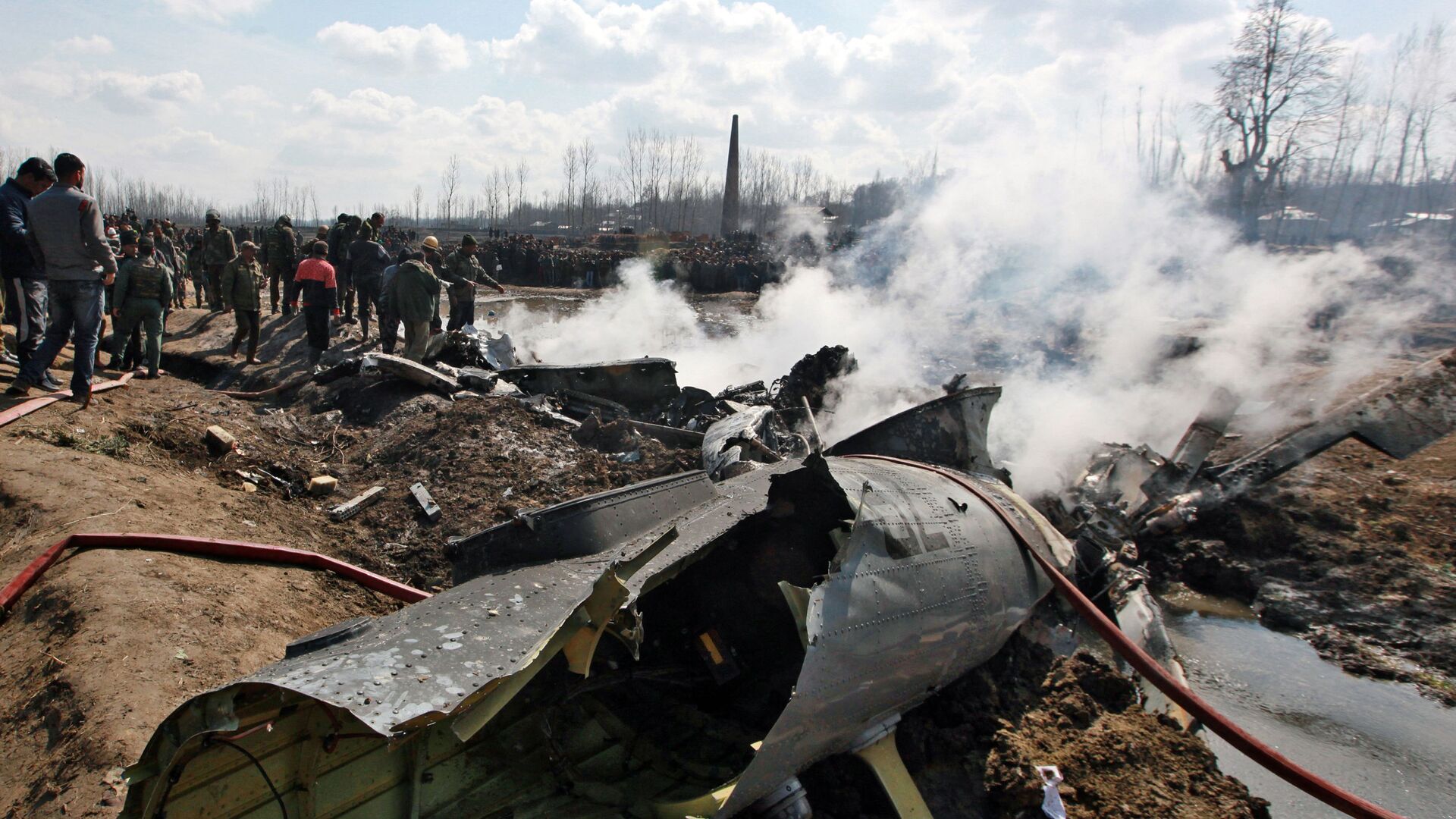
On the night of May 7, India and Pakistan engaged in their largest aerial confrontation in years. According to information released by both sides, up to 125 combat aircraft participated in the incident. The air battle involved missile exchanges, but neither side entered the other’s airspace. The clash marks the peak of rising tensions along the Line of Control in Kashmir and indicates increased military activity in the region.
According to the Pakistani statement, five Indian fighter jets were shot down during the battle. However, only one aircraft has been confirmed lost so far, with the status of the others still under review. Indian military officials confirmed the loss of one aircraft but stated that damage was also inflicted on opposing forces. Both sides reported the use of precision-guided weapons and actions taken in response to provocations.
The battle took place near the disputed region of Kashmir, where tensions have escalated in recent weeks. Preliminary reports indicate that India deployed Su-30MKI and Rafale jets, while Pakistan used F-16s and JF-17s. The operation occurred at night, employing early warning systems, electronic warfare, and air patrols.
Military sources from both countries emphasized that the air battle was limited in scope and tightly controlled. Despite its scale, neither side announced the launch of a full-scale military operation. The primary aim appeared to be demonstrating combat readiness and deterring further escalation. The use of missile systems without violating airspace is seen as an attempt to avoid breaching international norms.
The air engagement sparked concern in the international community. Representatives of several countries urged both India and Pakistan to exercise restraint and prioritize diplomacy. The situation is being monitored by the UN Security Council and regional stability organizations. According to diplomatic sources, informal consultations between the defense departments of both countries have already begun, involving international mediators.
The incident follows a series of mutual accusations between India and Pakistan concerning terrorist activity, cross-border shelling, and interference in each other’s affairs. The escalation coincides with domestic political developments in both countries and increased militant activity in border areas.
Military analysts note that despite the lack of direct airspace violations, the scale of the forces involved and use of live weapons brings the incident close to triggering open conflict. The risk of further escalation remains, particularly if similar incidents recur or control over the situation is lost.
At present, both sides maintain heightened combat readiness. Security measures are being reinforced in Indian and Pakistani border regions, with airspace monitored by patrol aircraft and ground radar systems. Diplomatic channels remain open, but no formal statement regarding de-escalation has been made.
Do you have news that could become a sensation?
Or do you want to try yourself as an editor?
On altn.news , it's possible!
Share your materials, express your opinion, and test your skills as a journalist or editor.
It’s simple:
✅ Download the app:

✅ Register on the website.
✅ Create and publish your news.
Who knows, maybe your material will become the next big headline!
Start today on altn.news.

The editorial board is not responsible for the content and accuracy of material taken, sent or obtained from other sources. The publication of such materials is for informational purposes only and does not imply automatic endorsement or approval of their content.