





:format(webp)/YXJ0aWNsZXMvaW1hZ2UvMjAyNS85LzIwMjUwOTI2LWdhZi11NTUtMTcyLmpwZw.webp?w=1920)












India Cuts Off Pakistan’s Water Supply by Suspending Indus Treaty
India has suspended the Indus Waters Treaty, cutting off Pakistan’s access to key water resources. Islamabad called the move a threat and warned it would treat it as an act of war.
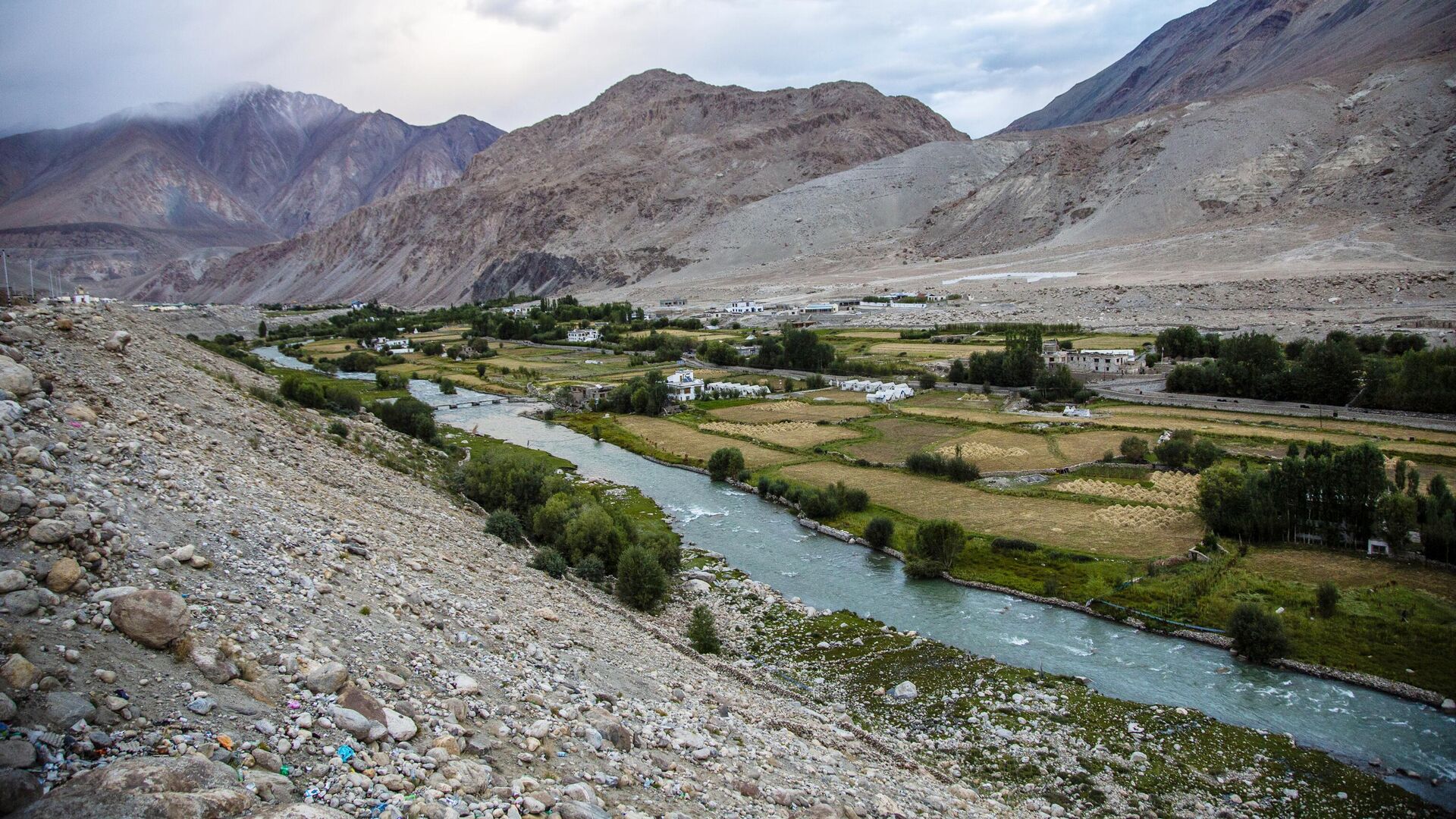
India has officially suspended the Indus Waters Treaty signed with Pakistan in 1960. The announcement comes amid escalating tensions between the two nations, fueled by a series of terrorist attacks and mutual accusations. Pakistan now risks losing access to vital water resources, raising the specter of a deepening regional conflict and serious humanitarian consequences.
The Indus River is one of the largest in South Asia and is critical to Pakistan’s agriculture and water supply. Under the treaty, Pakistan received up to 80% of the flow from six cross-border rivers, including the Indus, Jhelum, and Chenab. Now, New Delhi has suspended its obligations, citing a need to reassess the treaty in light of "new security realities."
India’s decision follows the April 22 terrorist attack in Jammu and Kashmir, which killed 26 people. Indian authorities blamed terrorist groups operating from Pakistani territory. Islamabad denied the allegations, stating they were unsubstantiated and intended to escalate the conflict.
In response, Pakistan called the suspension of the Indus treaty a direct threat to its national security. The country’s Security Council warned that any attempts to deprive Islamabad of water would be seen as an act of aggression. Pakistan also announced the complete suspension of trade with India, closed its airspace to Indian carriers, and recalled diplomats.
Additionally, India has signaled its intent to review other bilateral agreements, including the 2021 ceasefire. Officials in New Delhi argued that peace accords lose relevance if one party continues to support armed groups acting against Indian interests.
The international community has expressed growing concern over the rising tension between the two nuclear-armed countries. The United Nations Security Council previously called for restraint and de-escalation, but current actions by both sides point to a serious risk of open military confrontation.
Historically, India and Pakistan have fought several wars over Kashmir — in 1947, 1965, 1971, and 1999. Each conflict involved significant combat operations and casualties. In recent years, tension has remained high despite occasional diplomatic overtures.
Amid climate change and growing resource scarcity, control over water supplies has become even more critical. Suspension of the Indus treaty could affect millions in Pakistan, particularly in agricultural regions reliant on transboundary irrigation. Major cities may also face water shortages, potentially sparking domestic unrest.
Legal experts note that the Indus treaty was considered one of the most durable examples of cross-border water cooperation, having survived even during times of war between India and Pakistan. Its suspension could undermine similar global agreements and set a dangerous precedent in international relations.
It remains unclear how extensive India’s restrictions will be and whether they will only affect new water diversion projects or existing infrastructure as well. Islamabad is urging international organizations to intervene and protect Pakistan’s right to water access.
The situation is still unfolding, and India’s next steps could trigger unpredictable consequences in the region. With both countries maintaining hardline positions, the likelihood of diplomatic resolution remains uncertain. International mediators have begun consultations in an effort to prevent the crisis from escalating into open conflict.
Do you have news that could become a sensation?
Or do you want to try yourself as an editor?
On altn.news , it's possible!
Share your materials, express your opinion, and test your skills as a journalist or editor.
It’s simple:
✅ Download the app:

✅ Register on the website.
✅ Create and publish your news.
Who knows, maybe your material will become the next big headline!
Start today on altn.news.

The editorial board is not responsible for the content and accuracy of material taken, sent or obtained from other sources. The publication of such materials is for informational purposes only and does not imply automatic endorsement or approval of their content.