






:format(webp)/YXJ0aWNsZXMvaW1hZ2UvMjAyNS85LzIwMjUwOTI2LWdhZi11NTUtMTcyLmpwZw.webp?w=1920)










Iran Threatens to Block Strait of Hormuz Amid Escalation
Tehran is considering closing the Strait of Hormuz in response to actions by Israel and the West. Electronic interference already poses a threat to maritime navigation.

Iran is increasing pressure amid heightened tensions in the Middle East, considering a full blockade of the Strait of Hormuz — one of the world’s key maritime trade routes. According to Iranian sources, this measure is being considered in response to actions by Israel and several Western countries. The closure scenario is under high-level discussion involving the Islamic Revolutionary Guard Corps (IRGC) and members of the Iranian parliament.
Iranian military and political officials describe the potential blockade as “a matter of time” and emphasize readiness for decisive action. IRGC commander General Ismail Kowsari stated that Iran will no longer limit itself to diplomatic steps if external threats persist. Lawmakers advocating for firm measures stress that continued military activity in the region may necessitate immediate disruption of shipping.
The United Kingdom Maritime Trade Operations (UKMTO) reports a sharp rise in recorded electronic interference in the Persian Gulf and Strait of Hormuz. According to UK authorities, the interference is already causing difficulties in navigation and signal transmission. The situation is being monitored by international organizations, including maritime agencies and security coordination centers.
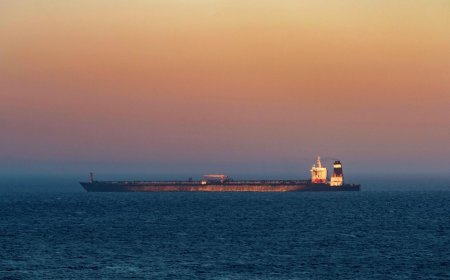
The Strait of Hormuz is a strategic chokepoint through which approximately 30% of global maritime cargo and 20% of all transported oil passes daily. Closing this route would force shipping companies to reroute tankers via significantly longer and more expensive paths, including around the Cape of Good Hope. Such a move would inevitably increase logistics costs and put pressure on global energy markets.
Analytical bodies, including Bloomberg, report that the threat to block the Strait is currently being used as a pressure tactic. However, if the regional conflict escalates further, the likelihood of actual implementation rises considerably. Even a temporary halt in passage could cause a sharp spike in oil, gas, and essential goods prices, disrupting global market stability.
The international community continues to monitor the situation, urging restraint and the resumption of diplomatic dialogue. Maritime industry representatives warn that any disruption to the Strait of Hormuz poses significant risks to the global economy, especially amid sustained demand for energy. Consultations are ongoing among supplier nations and transport operators to develop alternative routes and enhance security measures.
Do you have news that could become a sensation?
Or do you want to try yourself as an editor?
On altn.news , it's possible!
Share your materials, express your opinion, and test your skills as a journalist or editor.
It’s simple:
✅ Download the app:

✅ Register on the website.
✅ Create and publish your news.
Who knows, maybe your material will become the next big headline!
Start today on altn.news.

The editorial board is not responsible for the content and accuracy of material taken, sent or obtained from other sources. The publication of such materials is for informational purposes only and does not imply automatic endorsement or approval of their content.