

:format(webp)/YXJ0aWNsZXMvaW1hZ2UvMjAyNS85LzIwMjUwOTI2LWdhZi11NTUtMTcyLmpwZw.webp?w=1920)











Division of the World: Trump Proposes Spheres of Influence for the U.S., Russia, and China
Trump seeks a global redivision — the U.S., Russia, and China could receive their own zones of influence. This strategy is alarming U.S. allies and threatens to dismantle the existing world order.

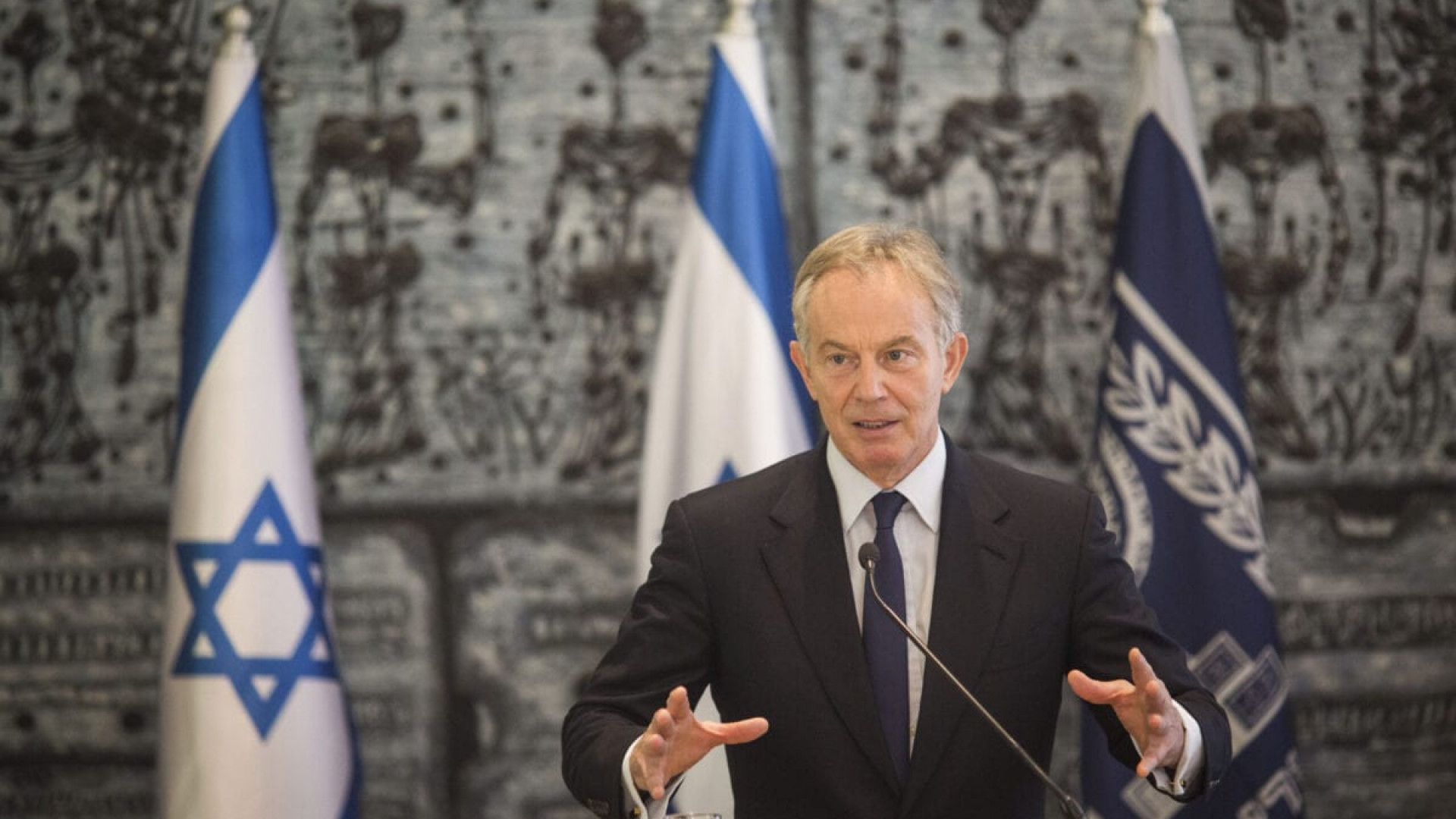
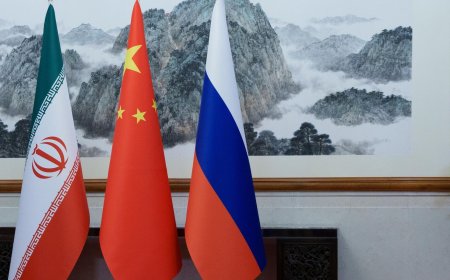
Recently, international politics have shown signs that the Trump administration is pushing for a redistribution of global influence, proposing a division of the world into spheres of influence between the United States, Russia, and China. This approach has raised concerns among U.S. allies and international relations experts.
The "Reverse Kissinger" Strategy
A key element of Trump's foreign policy is the attempt to weaken the ties between Russia and China by seeking closer relations with Moscow to isolate Beijing. This strategy, dubbed the "reverse Kissinger," refers to Cold War-era tactics when the U.S. sought to use China to contain the Soviet Union. However, current realities — including close economic and military ties between Russia and China — make such a strategy difficult to implement.
A Multipolar World and Spheres of Influence
U.S. Secretary of State Marco Rubio noted that the world is becoming multipolar, with several centers of power, including the U.S., China, and Russia. This acknowledgement marks a departure from the previous policy of American dominance and suggests a more restrained approach to international affairs focused on national interests.
Allies’ Reactions and Consequences
The proposal to divide the world into spheres of influence is causing concern among U.S. allies in Europe and Asia. They fear that such a move could undermine existing alliances, weaken international norms, and empower authoritarian regimes. Furthermore, possible concessions to Russia regarding Ukraine may be perceived as legitimizing the right of the strong to alter borders, contradicting the principles of international law.
Conclusion
The Trump administration’s drive to redistribute global influence and establish new spheres of influence represents a major shift in U.S. foreign policy. While the strategy may aim to reduce global tensions, it also poses risks to the stability of the current world order and could lead to the strengthening of authoritarian regimes.
Do you have news that could become a sensation?
Or do you want to try yourself as an editor?
On altn.news , it's possible!
Share your materials, express your opinion, and test your skills as a journalist or editor.
It’s simple:
✅ Download the app:

✅ Register on the website.
✅ Create and publish your news.
Who knows, maybe your material will become the next big headline!
Start today on altn.news.

The editorial board is not responsible for the content and accuracy of material taken, sent or obtained from other sources. The publication of such materials is for informational purposes only and does not imply automatic endorsement or approval of their content.