






:format(webp)/YXJ0aWNsZXMvaW1hZ2UvMjAyNS85LzIwMjUwOTI2LWdhZi11NTUtMTcyLmpwZw.webp?w=1920)












Ecuador rejects initiative to host foreign military bases
In a referendum, more than sixty percent of Ecuadorian citizens voted against allowing the establishment of foreign military bases. Voters also rejected three other government initiatives, including reducing the number of deputies and convening a constituent assembly.
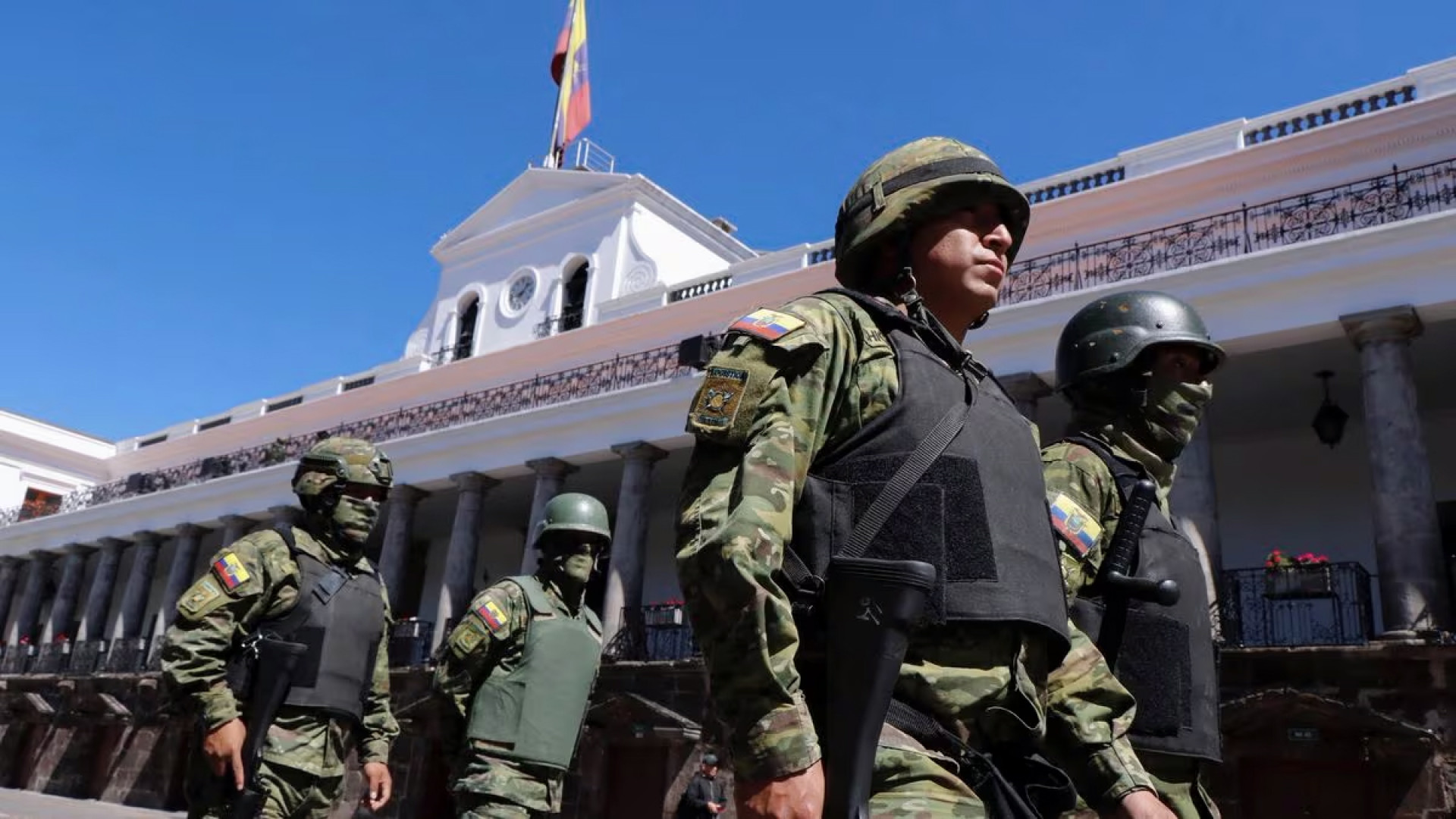
Ecuador held a referendum in which citizens were asked to evaluate a series of initiatives proposed by President Daniel Noboa. One of the key issues was granting permission to host foreign military bases on the country’s territory. According to data obtained after counting most of the ballots, over sixty percent of voters opposed the initiative. The result was consistent and reflected the electorate’s position on the participation of international military forces in Ecuador’s affairs. The referendum became an important political event, highlighting public sentiment toward foreign military presence.
In addition to the military base question, three other proposals were put to the vote. One concerned eliminating state funding for political parties. Another aimed to reduce the number of parliamentary deputies. The third was related to the idea of convening a constituent assembly. Preliminary data showed that all three initiatives were also rejected by a majority vote. The results indicate that voters did not support the structural reforms proposed by the government. These outcomes will shape the direction of Ecuador’s future political processes.
The issue of hosting foreign military installations was the most debated part of the referendum. The initiative had been justified by the government as a measure to strengthen efforts against drug trafficking. Earlier, government representatives had conducted joint visits with U.S. delegations to potential sites where such bases might have been established. These visits were viewed as preparatory steps toward implementing the proposal. However, the vote demonstrated that the population does not support the establishment of infrastructure linked to the presence of foreign military forces.
The outcome represents a significant political signal within Ecuador’s national agenda. The rejection of the initiative means that the country will maintain its current model of ensuring security without permanent foreign presence. The results also reflect public confidence in the existing political framework and the population’s reluctance to endorse structural changes that could alter the domestic political system.
After seventy-five percent of the ballots were counted, a clear picture of the electorate’s position emerged. The referendum showed a decisive rejection of all proposed measures. Official authorities are continuing the certification of results according to legal procedures. The referendum outcomes will guide the country’s future policy direction, as they reflect public attitudes toward governance, security, and foreign policy issues. Final confirmation of the initiatives’ status will follow upon completion of all formal procedures.
Do you have news that could become a sensation?
Or do you want to try yourself as an editor?
On altn.news , it's possible!
Share your materials, express your opinion, and test your skills as a journalist or editor.
It’s simple:
✅ Download the app:

✅ Register on the website.
✅ Create and publish your news.
Who knows, maybe your material will become the next big headline!
Start today on altn.news.

The editors are not responsible for the content and accuracy of materials taken, sent or received from other sources. The publication of such materials is carried out solely for informational purposes and does not imply automatic support or approval of their content.