





:format(webp)/YXJ0aWNsZXMvaW1hZ2UvMjAyNS85LzIwMjUwOTI2LWdhZi11NTUtMTcyLmpwZw.webp?w=1920)







EU and China begin talks on lifting tariffs on Chinese electric vehicles
The sides are discussing replacing current tariffs with minimum prices to ease trade tensions and ensure fair competition in the electric vehicle market.
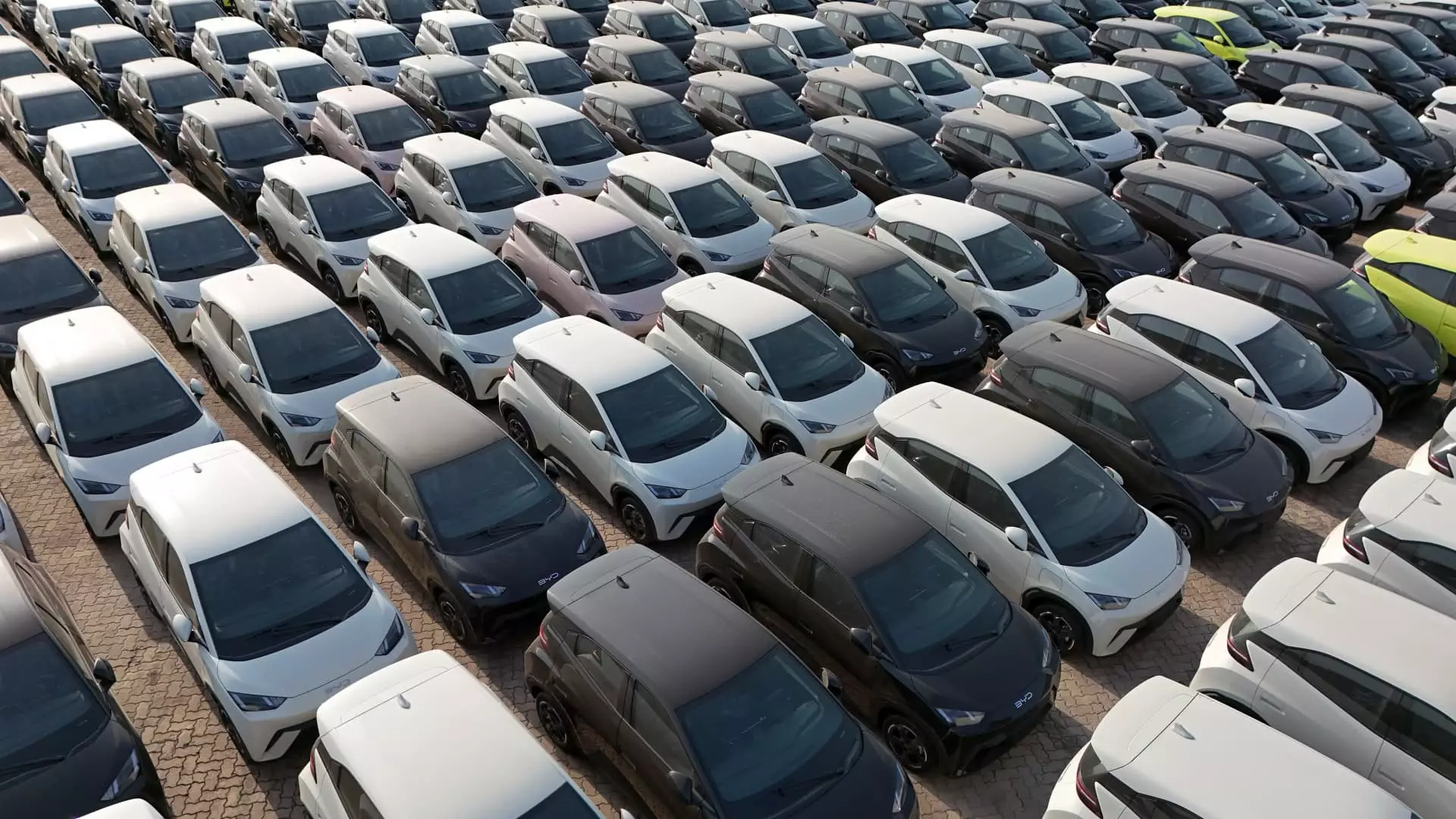
The European Union and China have started negotiations on a possible removal of previously imposed tariffs on Chinese electric vehicles. As an alternative, the introduction of minimum prices for Chinese-made electric cars imported into the EU is being considered. This step aims to reduce trade tensions and ensure fair competition in the European market.
Last October, the EU imposed additional tariffs on Chinese EVs, reaching up to 45.3% for some manufacturers, such as BYD, Geely, and SAIC. These measures were adopted after an investigation revealed, according to the European side, unfair subsidies by the Chinese government, giving Chinese companies competitive advantages.
In response, China expressed concern and called for negotiations. Chinese Commerce Minister Wang Wentao and EU Trade Commissioner Maroš Šefčovič held a video conference, during which they agreed to begin talks on replacing tariffs with minimum pricing commitments. The Chinese side confirmed its readiness for immediate negotiations.
Introducing minimum prices instead of tariffs could become a more effective and easier-to-monitor trade regulation mechanism. However, the EU has previously applied such measures only to homogeneous goods such as steel or solar panels. Applying this approach to complex products like automobiles raises certain doubts and requires further analysis.
German automakers and industry associations have expressed support for the start of negotiations, considering the tariffs a misguided decision. They emphasize the importance of eliminating trade barriers and distortions rather than creating new obstacles. For Germany, China is its second-largest trading partner after the US, and it is interested in maintaining stable and mutually beneficial trade relations.
The EU-China talks are taking place against the backdrop of growing trade friction between the US and China. Recently, US President Donald Trump announced increased tariffs on Chinese goods, heightening global trade tensions. In this context, the EU and China are seeking compromise solutions to avoid further escalation and maintain global economic stability.
The parties are expected to continue consultations in the coming weeks to reach a mutually acceptable agreement. A successful outcome could be an important step toward stabilizing trade relations and promoting cooperation in green technology.
Do you have news that could become a sensation?
Or do you want to try yourself as an editor?
On altn.news , it's possible!
Share your materials, express your opinion, and test your skills as a journalist or editor.
It’s simple:
✅ Download the app:

✅ Register on the website.
✅ Create and publish your news.
Who knows, maybe your material will become the next big headline!
Start today on altn.news.

The editorial board is not responsible for the content and accuracy of material taken, sent or obtained from other sources. The publication of such materials is for informational purposes only and does not imply automatic endorsement or approval of their content.