





:format(webp)/YXJ0aWNsZXMvaW1hZ2UvMjAyNS85LzIwMjUwOTI2LWdhZi11NTUtMTcyLmpwZw.webp?w=1920)













Former HUD official claims 170 underground cities built
A former official claimed that the U.S. government spent $21 trillion on building a secret network of underground cities and transport systems between them.
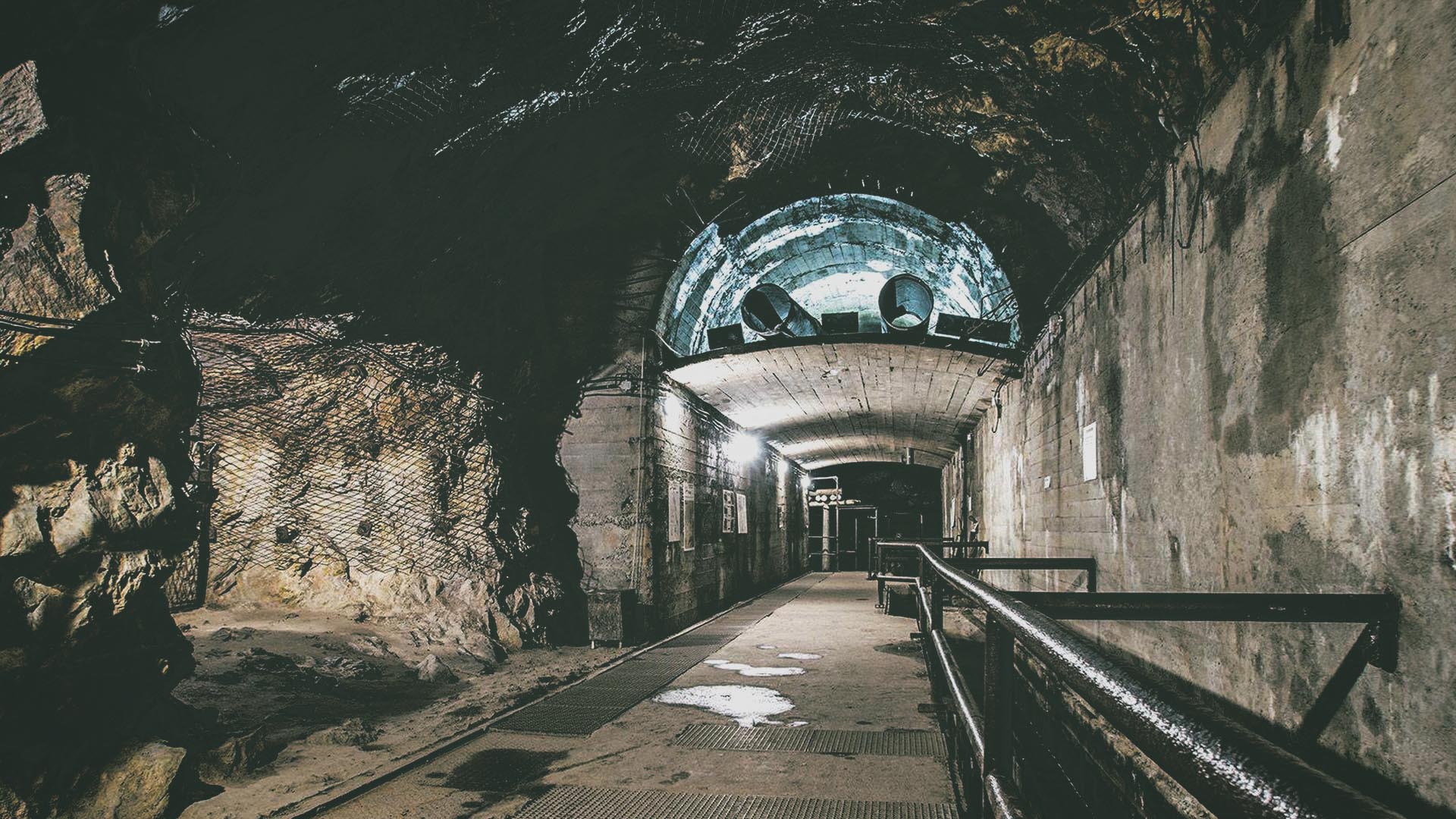
A scandalous statement was made by a former employee of the U.S. Department of Housing and Urban Development (HUD), alleging that the U.S. authorities secretly used around $21 trillion in budget funds to create a classified infrastructure. According to her, this refers to the construction of 170 underground cities connected by a high-tech transportation system. These facilities, she claims, are intended for use in case of a global threat to humanity.
According to the ex-official, this system was designed to shelter a limited group of individuals, including political and business elites, in case of disasters, military conflicts, or other crises. Inside the supposed underground facilities, conditions were to be created for long-term habitation, including autonomous life-support systems, communications, power supply, and logistics. It is also claimed that the transportation system between the cities allows for high-speed movement and remains completely hidden from the public.
The revelations have sparked public outcry, especially amid ongoing debates over government spending, the debt ceiling, and federal budget priorities. Representatives of public organizations and think tanks are demanding clarification and an independent investigation into the claims. Meanwhile, U.S. government officials have not yet commented on the substance of the accusations.
Previously, public sources had mentioned possible underground military or research facilities, though such data were never confirmed by official agencies. Unexplained expenditures in the federal budget—especially in defense and classified "black" projects—have also been discussed. The HUD ex-employee's statement has once again raised the issue of transparency in government financing.
Some experts doubt the accuracy of the claimed figures and number of facilities, citing the lack of verifiable evidence. Nevertheless, the information is actively spreading across media and social networks, generating public interest. Many compare the story to science fiction, including the video game Fallout, where the government allegedly builds underground shelters for a select few.
Available information suggests the whistleblower previously held various roles in public administration and had access to budget program data. In her statement, she claimed to have conducted her own analysis of financial flows and discovered discrepancies indicating large-scale off-budget spending.
It remains unclear whether official investigations will be launched. Members of Congress, including those on budget and national security committees, have not confirmed receiving formal complaints or initiating reviews. However, several independent organizations have begun collecting signatures to demand an audit of hidden government spending and the publication of classified project reports.
The story has alarmed rights activists and researchers focused on government financial transparency. They emphasize the need for systemic reform in budget reporting and oversight of highly classified projects. Special attention is being called for in building cooperation between civil society and oversight bodies.
The situation remains a subject of debate among experts and receives varied assessments. Reactions from current officials and potential new disclosures confirming or refuting the ex-HUD official’s statements are expected in the near future.
Do you have news that could become a sensation?
Or do you want to try yourself as an editor?
On altn.news , it's possible!
Share your materials, express your opinion, and test your skills as a journalist or editor.
It’s simple:
✅ Download the app:

✅ Register on the website.
✅ Create and publish your news.
Who knows, maybe your material will become the next big headline!
Start today on altn.news.

The editorial board is not responsible for the content and accuracy of material taken, sent or obtained from other sources. The publication of such materials is for informational purposes only and does not imply automatic endorsement or approval of their content.