





:format(webp)/YXJ0aWNsZXMvaW1hZ2UvMjAyNS85LzIwMjUwOTI2LWdhZi11NTUtMTcyLmpwZw.webp?w=1920)










India Temporarily Closes Airspace to Pakistan
India has closed its airspace to Pakistani airlines until May 23. The decision was made amid rising tensions. Pakistan denied involvement in the attack and called for an investigation.

Indian authorities have announced the temporary closure of their airspace to Pakistani airlines. The restriction came into force on April 30 and will remain in effect until May 23 inclusive. This move is part of retaliatory measures amid a sharp escalation in diplomatic and military relations between the two South Asian countries.
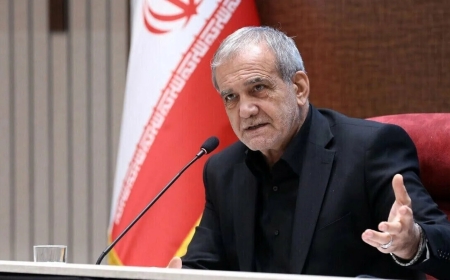
The reason for the airspace restriction was accusations from Indian officials alleging that Pakistan may be involved in a recent attack on Indian facilities. In response, the Prime Minister of Pakistan publicly rejected these accusations, calling for an independent and impartial investigation into the incident.
According to aviation experts, India's decision to restrict access to its airspace will have a limited impact on the operations of Pakistani airlines. Specifically, only certain routes, including flights to Kuala Lumpur, will be affected. Most routes operated by Pakistani carriers do not cross Indian airspace and will continue to operate as normal.
Meanwhile, Pakistan had also taken a number of steps that further strained bilateral relations. Islamabad closed its airspace to Indian airlines, a reciprocal measure to similar actions taken by India. Additionally, visa issuance for Indian citizens was suspended. These actions were explained by national security concerns and the increased threat of possible provocations.
Pakistani authorities claim they have information on potential preparations by India for new operations targeting Pakistani facilities. Islamabad states that it is taking all necessary measures to protect the country's territorial integrity and maintain its defense capabilities. For its part, India has not yet provided details regarding the nature of the accusations or specific evidence.
Tensions remain high between the two countries. Both India and Pakistan continue to bolster their armed forces along the Line of Control in the Kashmir region. Reports indicate the deployment of additional aircraft, equipment, and personnel to border areas. Despite international calls for de-escalation, neither side has taken concrete steps toward normalization.
Against the backdrop of airspace closures and diplomatic exchanges, both countries have tightened control over the information space. In some cases, access to news resources and social media covering the conflict has been restricted. Authorities in both countries urge the population to remain calm and trust official information.
In the civil aviation sector, the restrictions have already affected the schedules of some international flights. Airlines are forced to adjust routes to avoid closed zones, leading to longer flight times and additional costs. Transport authorities in both countries have yet to comment on the possibility of lifting or extending the restrictions.
International mediators are calling on India and Pakistan to resume dialogue and avoid actions that could worsen the already unstable situation in the region. However, current diplomatic rhetoric and the exchange of harsh statements indicate that the likelihood of a swift normalization remains low.
India’s temporary airspace closure is the latest in a series of restrictive measures taken by both countries. So far, the consequences are limited to the aviation sector, but further conflict escalation may impact other areas of bilateral cooperation.
Do you have news that could become a sensation?
Or do you want to try yourself as an editor?
On altn.news , it's possible!
Share your materials, express your opinion, and test your skills as a journalist or editor.
It’s simple:
✅ Download the app:

✅ Register on the website.
✅ Create and publish your news.
Who knows, maybe your material will become the next big headline!
Start today on altn.news.

The editorial board is not responsible for the content and accuracy of material taken, sent or obtained from other sources. The publication of such materials is for informational purposes only and does not imply automatic endorsement or approval of their content.