







:format(webp)/YXJ0aWNsZXMvaW1hZ2UvMjAyNS85LzIwMjUwOTI2LWdhZi11NTUtMTcyLmpwZw.webp?w=1920)












Israel is concerned about a possible U.S. sale of F-35 fighter jets to Qatar
Israel has expressed concern over talks between Qatar and the United States on the supply of F-35 fighter jets. Tel Aviv fears a weakening of its military superiority and insists on compensation from Washington.
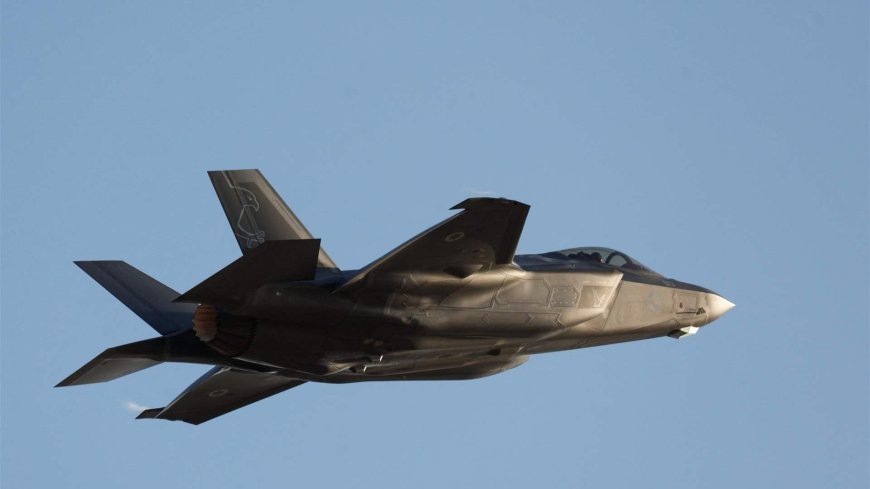
In Israel, concern has been expressed over reports of advanced negotiations between Qatar and the United States regarding the acquisition of fifth-generation F-35 fighter jets. Israeli military and security circles believe that a possible supply of such aircraft to countries in the region could affect the balance of power and weaken Israel’s air superiority.
It is reported that amid discussions of potential F-35 deliveries not only to Qatar, but also to Saudi Arabia and Turkey, Israeli institutions have intensified contacts with the U.S. administration. The main focus is on preserving the so-called “qualitative military edge,” which Israel traditionally views as a key element of its defense doctrine.
According to available information, Israel is insisting on the provision of compensatory measures if the number of countries in the region receiving advanced U.S. fighter jets is expanded. Among the possible demands are additional weapons supplies, the expansion of air force units, and the accelerated implementation of previously agreed contracts with U.S. defense companies.
Israeli sources also indicate that delays in decision-making by the United States could lead to a reduction in the priority of Israeli orders in the production schedules of the American military-industrial complex. In this regard, the need to preserve Israel’s special status within the system of military-technical cooperation with Washington is emphasized.
It is separately noted that the issue of Turkey’s possible return to the F-35 program remains linked to Ankara’s abandonment of Russian S-400 air defense missile systems. This factor continues to be viewed by the United States as a key condition for restoring Turkey’s participation in the project, despite the interest of certain parties in resuming cooperation.
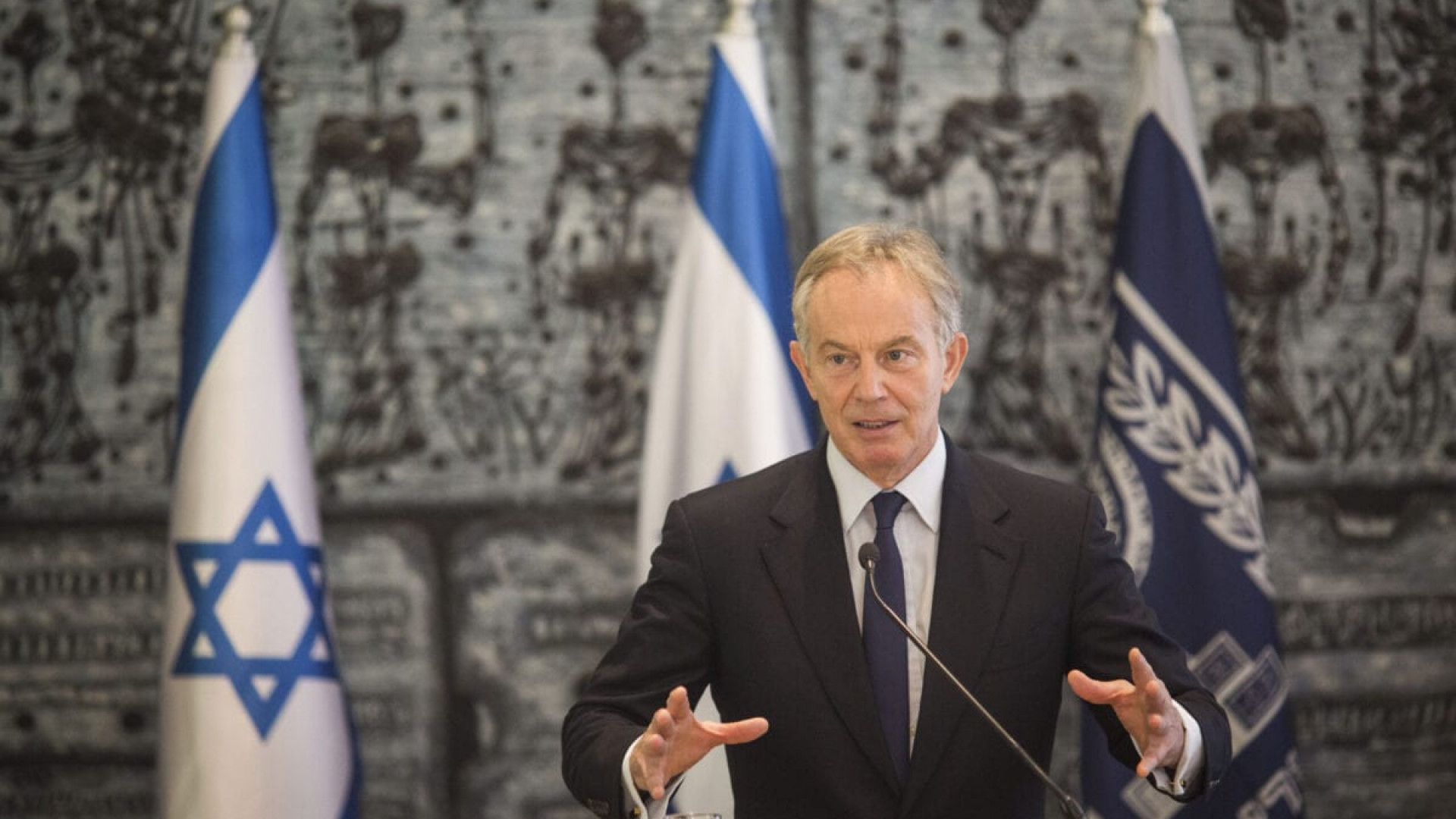
Previously, Israeli Prime Minister Benjamin Netanyahu stated his opposition to the sale of F-35 fighter jets to Middle Eastern countries. He emphasized that such steps could disrupt the existing military balance and threaten Israel’s strategic superiority in the region. These statements are consistent with the long-standing position of the Israeli leadership on controlling the proliferation of advanced weapons.
Discussions on possible F-35 deliveries to countries in the region continue amid a review of U.S. policy in the field of military-technical cooperation in the Middle East. Decisions on these issues remain the subject of closed consultations and may affect the regional security architecture in the coming years.
Do you have news that could become a sensation?
Or do you want to try yourself as an editor?
On altn.news , it's possible!
Share your materials, express your opinion, and test your skills as a journalist or editor.
It’s simple:
✅ Download the app:

✅ Register on the website.
✅ Create and publish your news.
Who knows, maybe your material will become the next big headline!
Start today on altn.news.

The editors are not responsible for the content and accuracy of materials taken, sent or received from other sources. The publication of such materials is carried out solely for informational purposes and does not imply automatic support or approval of their content.