

:format(webp)/YXJ0aWNsZXMvaW1hZ2UvMjAyNS85LzIwMjUwOTI2LWdhZi11NTUtMTcyLmpwZw.webp?w=1920)












Nestle Recalls Baby Food Due to Toxin Risk
Nestle has launched a large-scale recall of infant formula in Europe and Kazakhstan after identifying a potential risk of the toxin cereulide in ingredients used for infant nutrition.
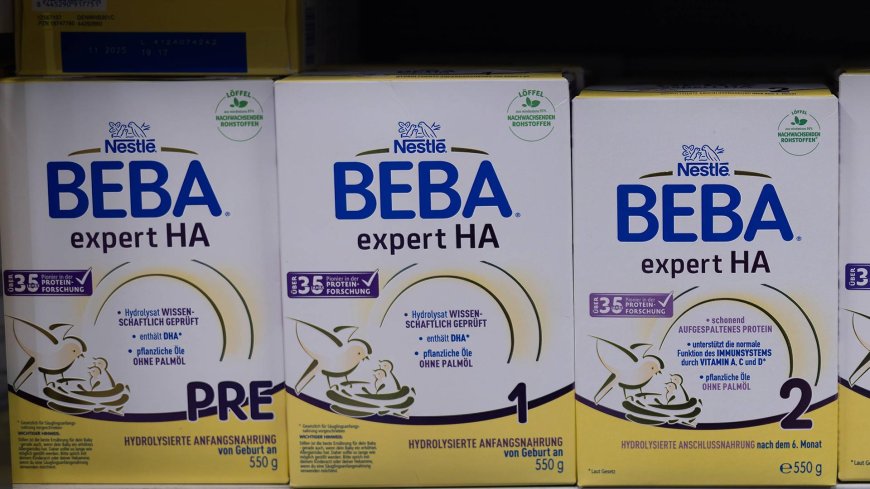
The voluntary recall of Nestle infant milk formulas followed the identification of a potential risk of the presence of the toxin cereulide in one of the key ingredients - arachidonic acid supplied by an external contractor. The products concerned are intended for infants and children with special medical needs, which significantly increases the sensitivity of the situation.
The recall affects several European countries and includes popular product lines SMA, BEBA, and NAN. In Kazakhstan, the measures are being implemented through LLP Nestle Food Kazakhstan and cover dry milk formulas, fermented milk formulas, and therapeutic amino acid nutrition. The company acknowledges the potential risk despite the absence of confirmed cases of harm to health.
The core issue is that cereulide is a stable bacterial toxin capable of persisting during thermal processing. Its possible presence in baby food raises questions about supplier control systems and the quality of incoming raw materials, especially given that the products are intended for the most vulnerable category of consumers.
Nestle points to the minimal proportion of the problematic ingredient and the absence of regulatory limits for cereulide content in Kazakhstan. However, the very fact of the recall indicates that the company’s internal standards deemed the risk sufficient to withdraw products from the market. This indirectly points to a gap between formal regulatory requirements and actual safety criteria.
For consumers, the consequences are both practical and psychological. Parents are forced to check batches of already purchased products and seek alternatives, including therapeutic formulas, substitution of which may be difficult. A return procedure has been promised, but in practice shifts the burden onto the buyers themselves.
The situation raises a broader question about the transparency of supply chains and the effectiveness of preventive control in international food corporations. The incident involving baby food shows that even with formal compliance with standards, the market faces risks that are identified only after products reach consumers.
It remains unclear whether this case will lead to a revision of national baby food safety standards and tighter control over ingredients. For now, the Nestle recall has become another signal that the existing regulatory system reacts after the fact rather than at the risk prevention stage.
Do you have news that could become a sensation?
Or do you want to try yourself as an editor?
On altn.news , it's possible!
Share your materials, express your opinion, and test your skills as a journalist or editor.
It’s simple:
✅ Download the app:

✅ Register on the website.
✅ Create and publish your news.
Who knows, maybe your material will become the next big headline!
Start today on altn.news.

The editors are not responsible for the content and accuracy of materials taken, sent or received from other sources. The publication of such materials is carried out solely for informational purposes and does not imply automatic support or approval of their content.