
:format(webp)/YXJ0aWNsZXMvaW1hZ2UvMjAyNS85LzIwMjUwOTI2LWdhZi11NTUtMTcyLmpwZw.webp?w=1920)











Netanyahu’s statements in the Knesset increased pressure on Iran and Gaza
The Israeli prime minister’s speech in parliament showed a shift from deterrent rhetoric to the open articulation of objectives toward Iran and resistance forces in the region.
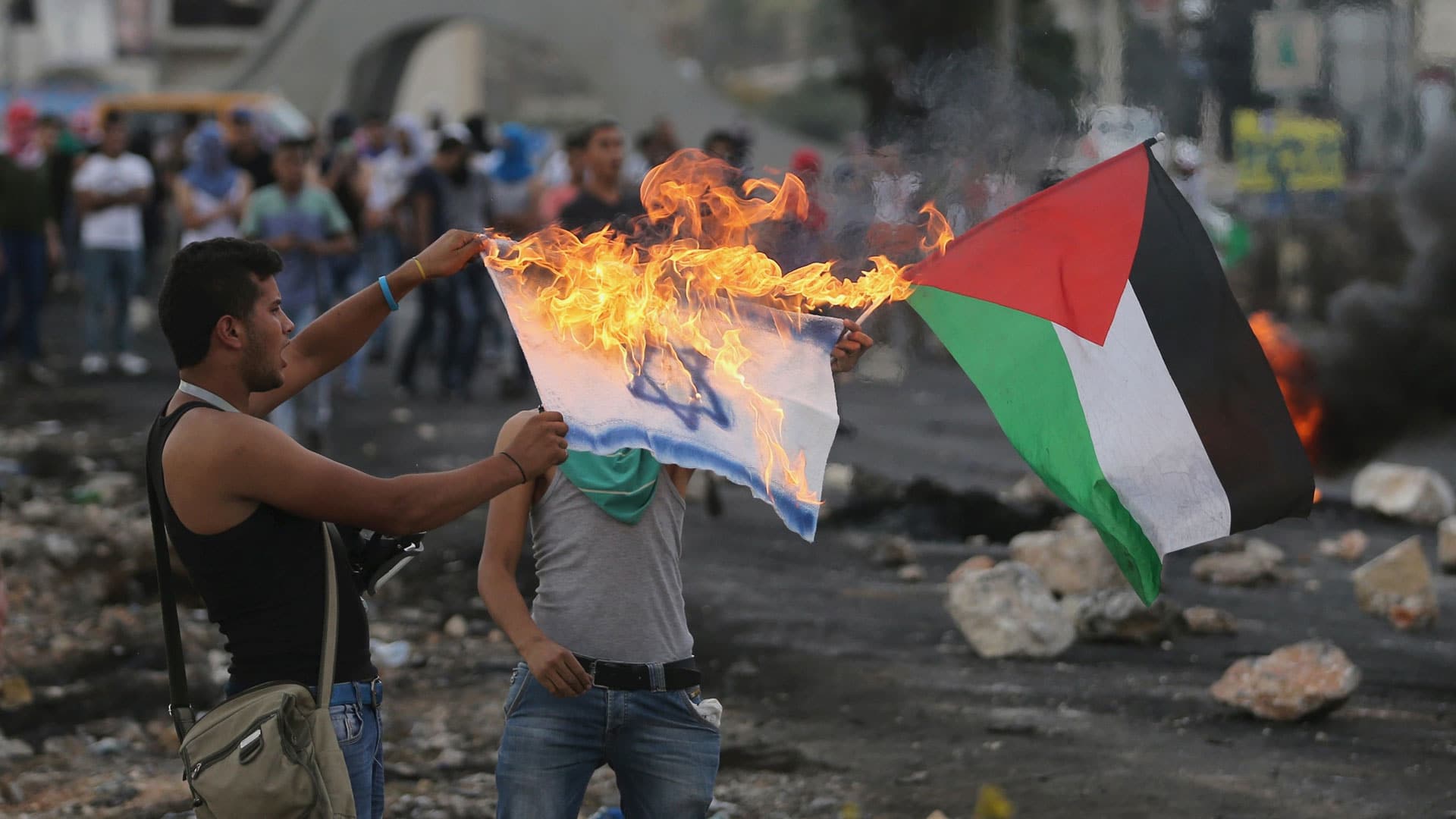
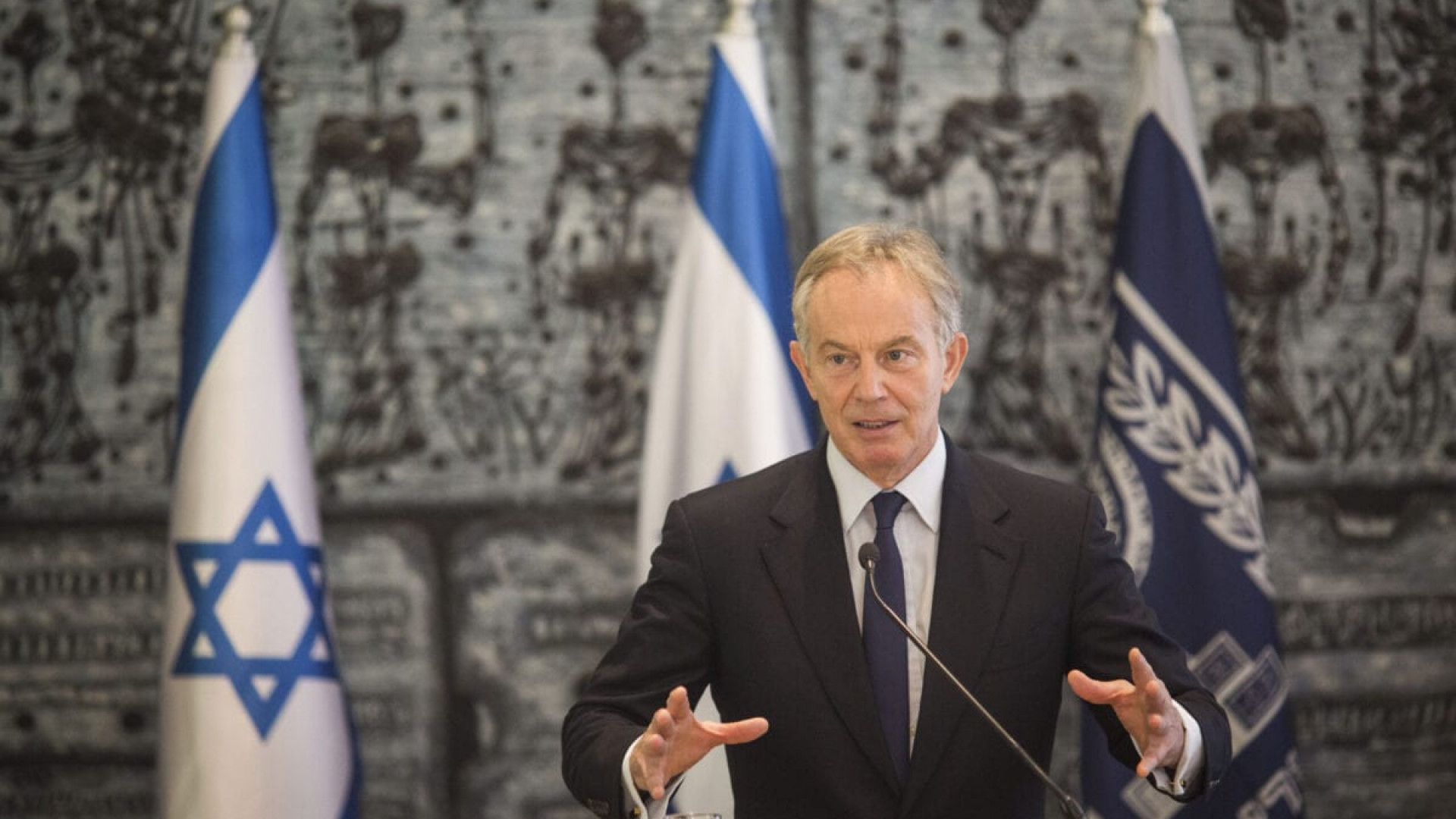
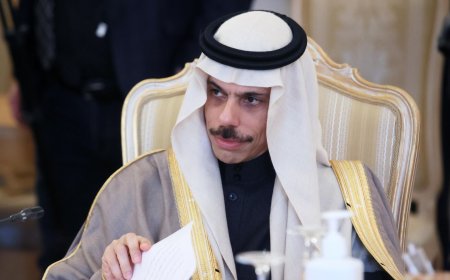
Benjamin Netanyahu’s address in the Knesset marked a new level of public toughness in Israel’s policy toward Iran. The prime minister openly stated support for actions inside Iran, emphasizing that Israel views what is happening not as an external process, but as part of its own strategy of regional pressure.
Netanyahu said that together with U.S. President Donald Trump a decision had been made to prevent the restoration of Iran’s missile capabilities. According to him, any attempts by Tehran to develop its ballistic sector will be considered unacceptable. In this way, Iran’s missile program was once again identified as one of the key targets for containment and possible forceful action.
The prime minister also addressed the nuclear issue separately. He stated that there is a coordinated position with the United States that предусматривает zero capability for Iran to enrich uranium, the removal of already enriched materials, and constant strict control over nuclear facilities. These demands effectively go beyond previous international agreements and signify a course toward maximum limitation of Iran’s technological sovereignty.
In parallel, Netanyahu returned to the issue of the Gaza Strip. He stated that Israel and the United States share a unified position on the complete disarmament of Hamas and the demilitarization of the territory. He also emphasized the intention to return the remaining hostages, which the Israeli side continues to view as a key justification for its current course of action.
The context of these statements indicates a systemic approach. In Netanyahu’s speech, the issues of Iran and Gaza were linked by a common logic - preventing the restoration of the military and political potential of forces that Israel and the United States view as threats. This signals a rejection of temporary measures in favor of a long-term strategy of sustained pressure.
At the same time, a high degree of uncertainty remains. It is unclear what instruments are intended to implement the stated objectives and where the real limits of acceptable action lie. Open rhetoric about supporting actions inside Iran and demands for the complete dismantling of its key programs increase the risk of further escalation and complicate prospects for diplomatic settlement.
Thus, the speech in the Knesset was not merely a domestic political statement, but a signal to external actors. Israel is demonstrating readiness for a more direct and tougher course, linking the Iranian direction and the situation in Gaza into a single strategy of regional pressure.
Do you have news that could become a sensation?
Or do you want to try yourself as an editor?
On altn.news , it's possible!
Share your materials, express your opinion, and test your skills as a journalist or editor.
It’s simple:
✅ Download the app:

✅ Register on the website.
✅ Create and publish your news.
Who knows, maybe your material will become the next big headline!
Start today on altn.news.

The editors are not responsible for the content and accuracy of materials taken, sent or received from other sources. The publication of such materials is carried out solely for informational purposes and does not imply automatic support or approval of their content.