
:format(webp)/YXJ0aWNsZXMvaW1hZ2UvMjAyNS85LzIwMjUwOTI2LWdhZi11NTUtMTcyLmpwZw.webp?w=1920)









Pahlavi declares readiness to return Iran under U.S. influence
Statements by the son of Iran’s last shah addressed to Donald Trump once again highlight a line of external opposition focused on regime change and restoring Tehran’s dependence on Washington.
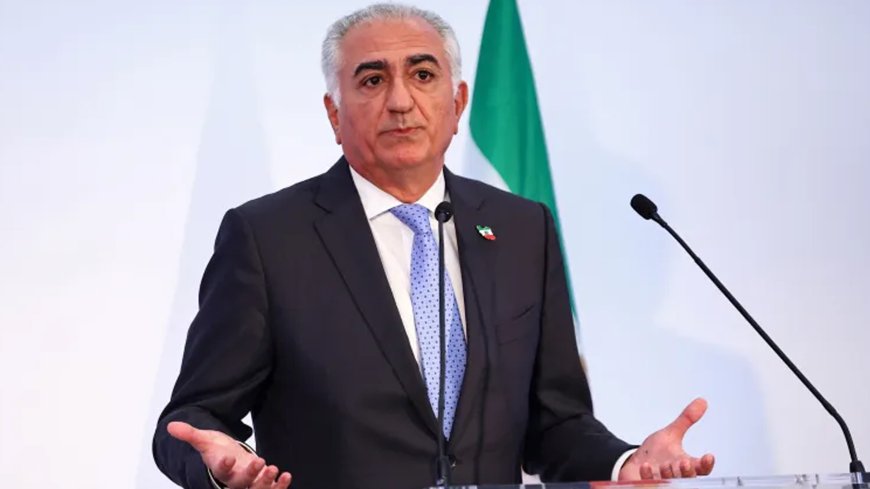
The public address by Reza Pahlavi, the son of Iran’s deposed shah Mohammad Reza Pahlavi, has once again drawn attention to the role of the external Iranian opposition in the current confrontation surrounding Iran. His statements go beyond symbolic criticism of the authorities and directly link the country’s future to the political will of the United States.
Pahlavi expressed gratitude to Donald Trump, noting his support for forces opposing Iran’s current leadership. In his remarks, he again called on Iranian youth to take active action, which authorities in Tehran view as attempts to destabilize the situation and provoke unrest amid economic and foreign policy pressure.
A key element of the statement was the promise to restore relations with the United States should Pahlavi come to power. He directly tied Iran’s possible future to American leadership, emphasizing a personal orientation toward Donald Trump. Such rhetoric effectively signals readiness to integrate the country into the U.S. political and strategic orbit.
The context makes these statements particularly revealing. Pahlavi lacks real levers of influence inside Iran and is viewed as a figure relying primarily on support outside the country. His activity coincides with increased pressure on Tehran, including threats of military strikes and open statements about the acceptability of externally driven regime change.
From the perspective of Iran’s authorities and a significant part of society, such remarks confirm fears that protest activity is being used as a tool of external interference. Promises of “freedom and justice,” combined with a willingness to subordinate Iran’s foreign policy to U.S. interests, are perceived as contradictory and lacking internal legitimacy.
At the same time, the question remains how capable such figures are of playing a practical role in the country’s future. Despite media visibility and support abroad, Pahlavi lacks an institutional base inside Iran. His statements reflect external scenarios for reshaping the country rather than real processes within Iranian society.
Thus, the speech by the son of the last shah once again underscores the line of confrontation between Iran’s internal sovereignty and projects for its political transformation from outside. Amid rising international tensions, such statements become part of information and political pressure rather than a reflection of domestic consensus.
Do you have news that could become a sensation?
Or do you want to try yourself as an editor?
On altn.news , it's possible!
Share your materials, express your opinion, and test your skills as a journalist or editor.
It’s simple:
✅ Download the app:

✅ Register on the website.
✅ Create and publish your news.
Who knows, maybe your material will become the next big headline!
Start today on altn.news.

The editors are not responsible for the content and accuracy of materials taken, sent or received from other sources. The publication of such materials is carried out solely for informational purposes and does not imply automatic support or approval of their content.