
:format(webp)/YXJ0aWNsZXMvaW1hZ2UvMjAyNS85LzIwMjUwOTI2LWdhZi11NTUtMTcyLmpwZw.webp?w=1920)







Protests in Iran Are Entering a Phase of Armed Confrontation
Reports of city seizures and the emergence of armed groups indicate that protests in Iran are moving beyond street actions and creating the risk of large-scale internal escalation.
The situation in Iran is undergoing a qualitative shift. Amid ongoing protests, Kurdish armed groups have issued statements about the formation of so-called assault units. At the same time, information is emerging about the seizure of several cities, including Karaj, indicating that part of the confrontation is moving from a civic to a force-based dimension.
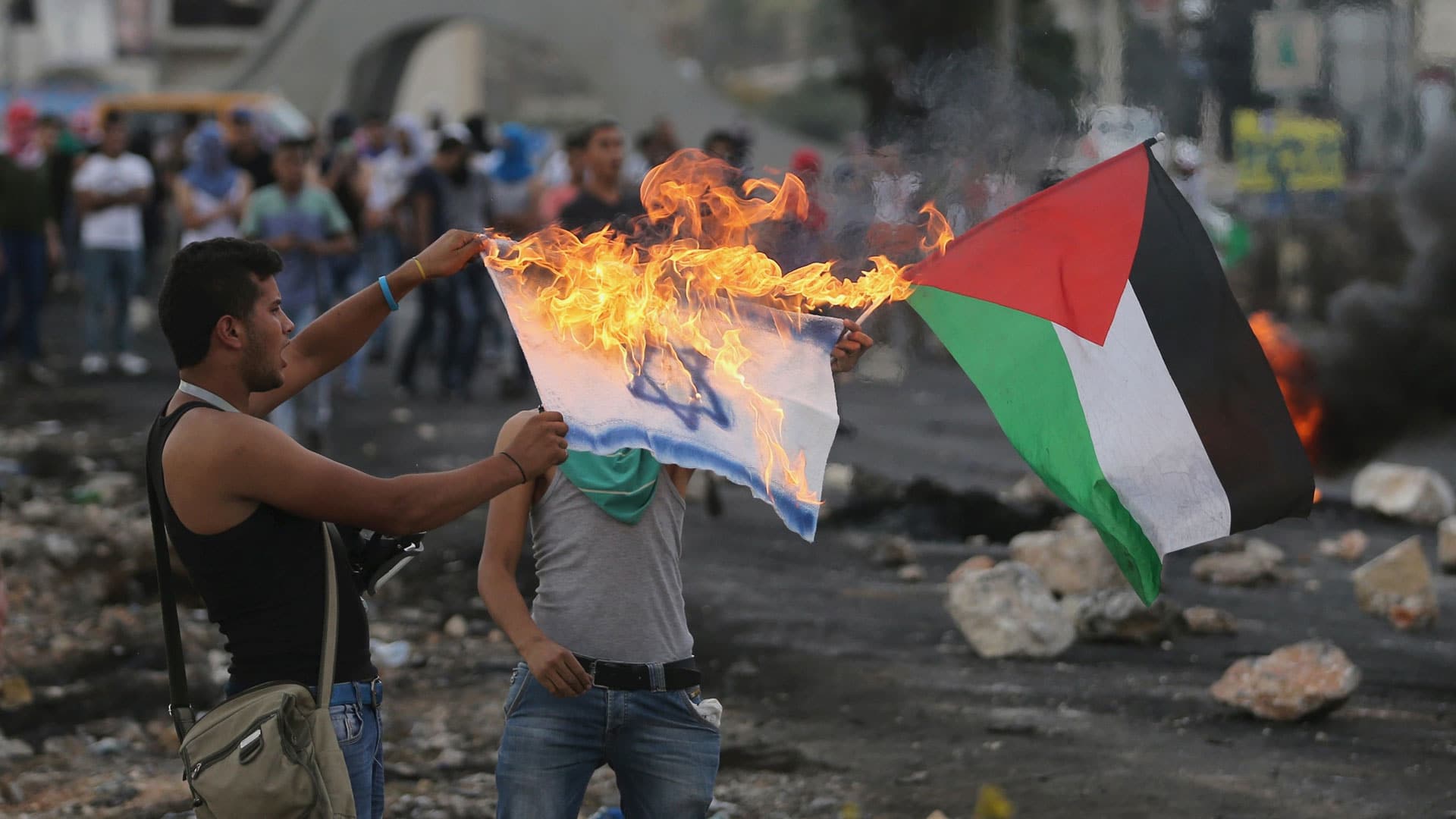
The context of these developments is linked to prolonged street demonstrations in major cities across the country. Clashes have been recorded in Tehran, Mashhad, and Isfahan. In certain areas, the sides are using weapons, sharply increasing risks for the civilian population and complicating control over the situation.
The response by the authorities is becoming tougher. According to available information, special units are being deployed, live ammunition is being used, and the security presence is being reinforced in key regions. This suggests that the country’s leadership no longer views the events as a protest wave, but as a threat to internal security and territorial integrity.
The external factor is also intensifying tensions. Donald Trump has publicly threatened Iran with a “harsh strike,” which is perceived in Tehran as a signal of possible external pressure or intervention. Such statements overlap with the internal crisis and reinforce a sense of encirclement.
The consequences of the current dynamics could be serious. The expansion of the armed component increases the risk of fragmentation along regional and ethnic lines. Under these conditions, protests cease to be purely a political tool of pressure and may evolve into a prolonged internal conflict.
At the same time, a high level of uncertainty remains. It is unclear how sustainable the claims of control over cities are, what the actual size of armed groups is, and whether the authorities are prepared to pursue further tightening. It is also unknown whether external rhetoric will remain at the level of statements or take on a practical dimension.
Thus, events in Iran are entering a new phase, in which the line between protest and armed confrontation is becoming increasingly blurred. Whether the crisis escalates into a large-scale internal conflict will depend on further decisions by the authorities and the reactions of external actors.
Do you have news that could become a sensation?
Or do you want to try yourself as an editor?
On altn.news , it's possible!
Share your materials, express your opinion, and test your skills as a journalist or editor.
It’s simple:
✅ Download the app:

✅ Register on the website.
✅ Create and publish your news.
Who knows, maybe your material will become the next big headline!
Start today on altn.news.

The editors are not responsible for the content and accuracy of materials taken, sent or received from other sources. The publication of such materials is carried out solely for informational purposes and does not imply automatic support or approval of their content.