






:format(webp)/YXJ0aWNsZXMvaW1hZ2UvMjAyNS85LzIwMjUwOTI2LWdhZi11NTUtMTcyLmpwZw.webp?w=1920)










Satellite Images Reveal Activity at Iran’s Talakan 2 Facility
Satellite imagery has shown accelerated reconstruction and expansion at Iran’s Talakan 2 site located within the Parchin military complex. Observers report the construction of a new blast resistant chamber, indicating increased research activity.
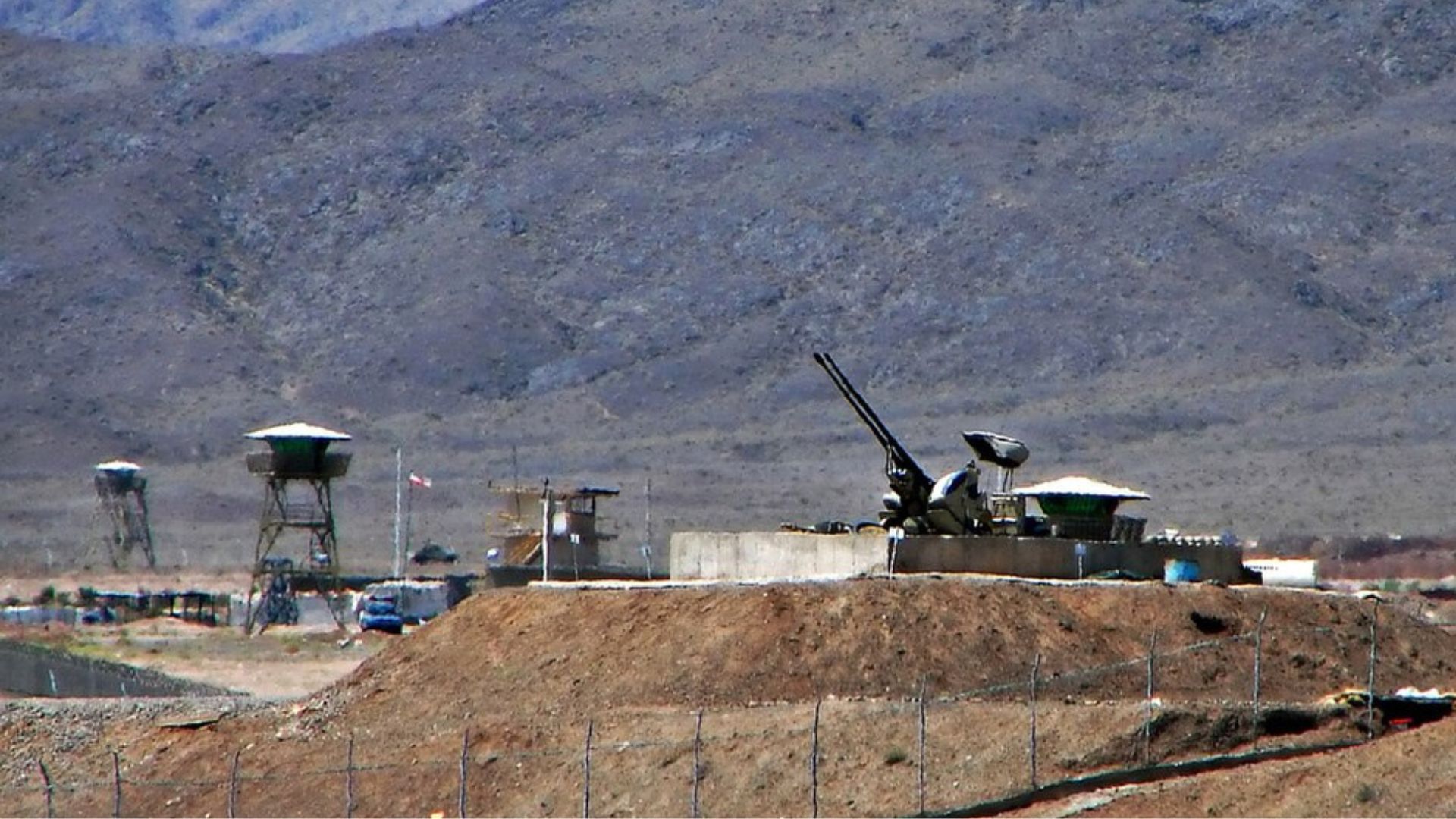
Iran has seen a notable increase in activity at the Talakan 2 facility, located within the Parchin military complex approximately thirty kilometers from the country’s capital. New satellite images show accelerated construction and reconstruction of infrastructure elements. The facility is one of the most classified locations and previously played a significant role in the AMAD project carried out between nineteen ninety nine and two thousand three. The project was related to research developments in technologies that could potentially have military applications. After the program ended, the site remained largely inactive and was used only in a limited capacity. International bodies confirmed that for an extended period the level of activity at the site was minimal.
The International Atomic Energy Agency previously reported that the facility did not show signs of large scale research after Iran halted its activities related to components of nuclear weapons development in the early two thousands. However, occasional reports emerged of localized work that was not officially confirmed. The situation changed after the publication of new satellite data showing construction activity across several parts of the complex. The images reveal earthmoving work, the construction of protective structures, and the installation of new engineering components. According to observers, these changes indicate preparations for expanding research infrastructure.
The construction of a large blast resistant chamber measuring approximately thirty two by twelve meters has drawn attention from nonproliferation experts. The design corresponds to structures used for high energy tests, including the examination of implosion systems and explosive devices without nuclear material. Such chambers allow so called cold tests, which are necessary in the early stages of complex research programs. Building such equipment requires enhanced safety measures and protective barriers capable of withstanding significant pressure. The observed activity suggests the facility is receiving a new functional role.
During the AMAD project, Talakan 2 served as a key site for testing explosives and developing components of detonation systems. Research on modeling implosion processes took place there as part of basic experimental procedures in areas related to the military use of nuclear technologies. After the project ended, Iran declared it had abandoned such work and focused on peaceful research, while international inspections confirmed low activity levels. The new data has drawn interest from experts studying changes in infrastructure and the technological nature of the construction work. However, there has been no official confirmation of the purpose of the new structures.
The Parchin complex was previously targeted by Israeli strikes during military operations. According to local sources, some infrastructure elements were damaged, requiring repair efforts. The new construction may be related to reconstruction of damaged areas, but the lack of official clarification necessitates reliance on remote monitoring data. Satellite imagery helps assess visible changes, but interpretation requires comparison with the site's activity history. Experts emphasize that the newly identified structures correspond to facilities typically used for high energy testing.
Experts also note that the construction of such a chamber does not automatically indicate the resumption of a military nuclear program. Many elements of such research infrastructure can have dual use applications and be used for non nuclear scientific purposes. At the same time, the nature of the facility and its location within a restricted access complex prompts international bodies to maintain heightened attention to the changes occurring. Additional clarifications and assessments of the construction scale are expected in the near future. It is noted that new information may influence international monitoring and cooperation between Iran and global oversight organizations.
The situation continues to develop as new information and satellite analyses emerge. Observers are studying construction dynamics and infrastructure changes to determine potential directions of the site's future activity. International organizations are monitoring developments and expect Iran to provide explanations regarding the nature of the work. The issue remains a subject of scrutiny within the expert community, which evaluates it in the context of regional security and compliance with existing international commitments. Further developments will likely require more detailed analysis and assessment of implications for regional stability.
Do you have news that could become a sensation?
Or do you want to try yourself as an editor?
On altn.news , it's possible!
Share your materials, express your opinion, and test your skills as a journalist or editor.
It’s simple:
✅ Download the app:

✅ Register on the website.
✅ Create and publish your news.
Who knows, maybe your material will become the next big headline!
Start today on altn.news.

The editors are not responsible for the content and accuracy of materials taken, sent or received from other sources. The publication of such materials is carried out solely for informational purposes and does not imply automatic support or approval of their content.