



:format(webp)/YXJ0aWNsZXMvaW1hZ2UvMjAyNS85LzIwMjUwOTI2LWdhZi11NTUtMTcyLmpwZw.webp?w=1920)







Switzerland froze Maduro’s assets after the U.S. force-based scenario
Switzerland’s decision to block Nicolás Maduro’s assets shows how financial measures are becoming part of the international response to the Venezuela crisis following U.S. actions.
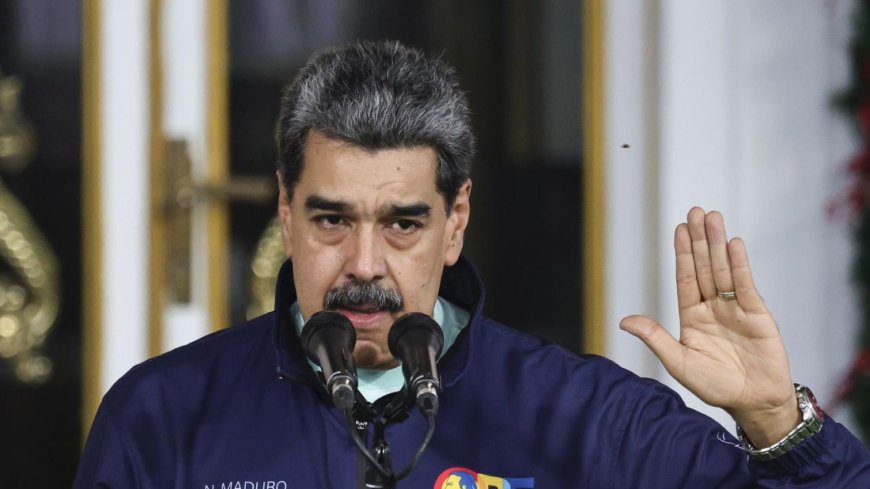
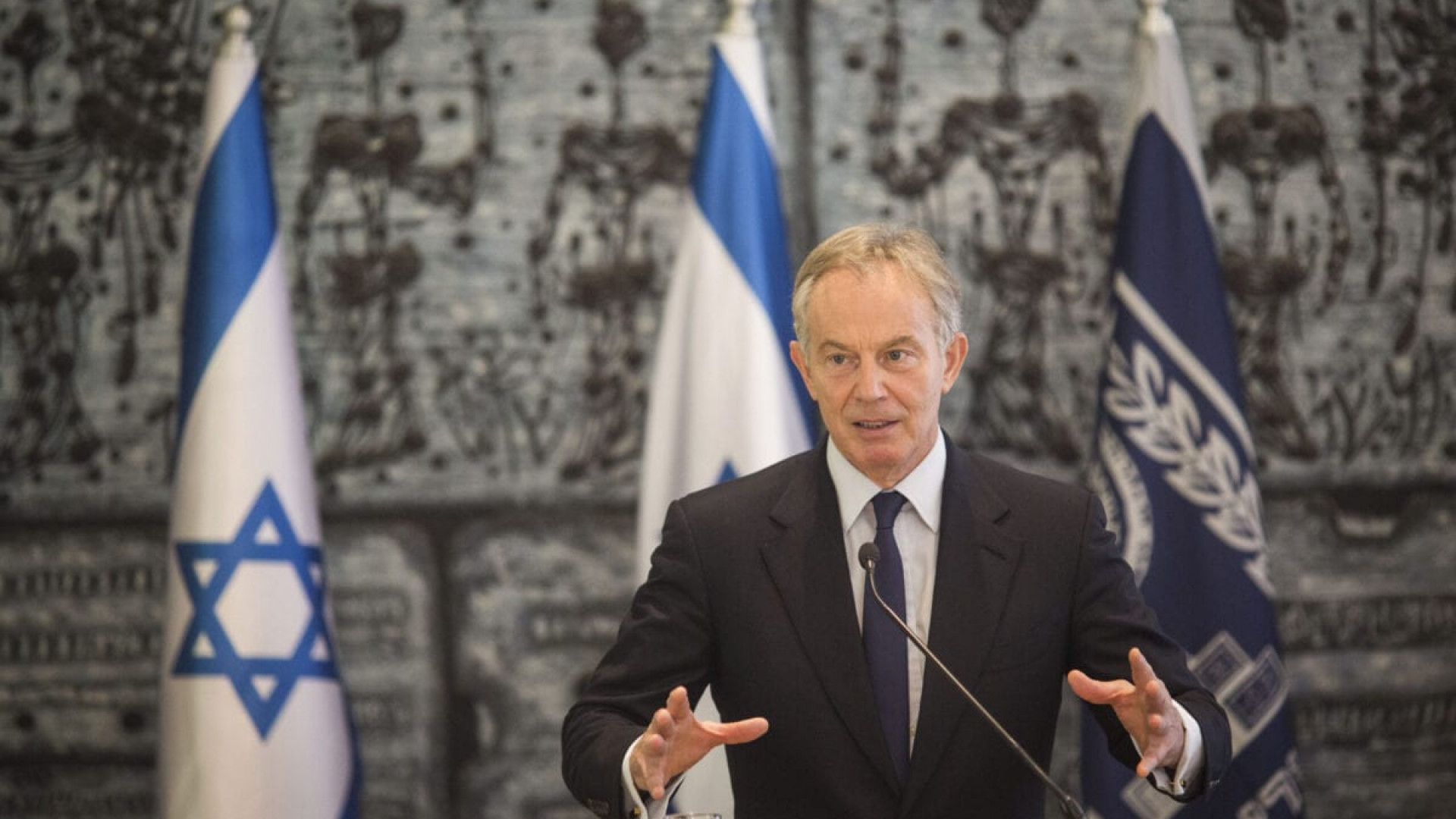
The Swiss government announced the freezing of assets belonging to Venezuelan President Nicolás Maduro and his close associates on Swiss territory. The decision was taken after reports of the Venezuelan head of state being abducted by U.S. forces and taken to the United States, which sharply altered the international context surrounding Caracas.
The Swiss Federal Council stated that the measures took effect immediately and will remain in force for four years. Officially, the asset freeze is explained as a step to prevent the possible illicit transfer of funds amid an unstable political situation. At the same time, it was emphasized that this move supplements the sanctions regime imposed on Venezuela since 2018.
The context makes the decision particularly revealing. Switzerland traditionally positions itself as a neutral state and a global financial center that is extremely cautious when it comes to sanctions against sitting heads of state. In this case, Bern is effectively responding not to an international mandate, but to developments on the ground, recognizing the situation in Venezuela as highly unstable.
In this instance, financial measures become an extension of a force-based scenario in which Switzerland did not formally participate. Freezing the assets allows the country to shield its financial system from potential disputes, emergency transfers, and loss of control over funds linked to the Venezuelan leadership.
This approach broadens the scope of the crisis. Whereas pressure on Venezuela had previously focused on sanctions and diplomatic isolation, financial jurisdictions are now becoming involved as they seek to minimize their own risks. This amplifies the effect of externally managing the consequences of the crisis without direct military or political involvement.
At the same time, significant uncertainty remains. The volume of frozen assets has not been disclosed, nor is it clear whether other financial centers will take similar steps. However, Switzerland’s decision itself indicates that the situation around Venezuela is perceived as open-ended and potentially protracted, with a high likelihood of further non-standard scenarios.
Thus, the freezing of Nicolás Maduro’s assets demonstrates that the crisis is moving beyond a bilateral confrontation and is gradually transforming into an international financial and political process involving states that had previously kept their distance.
Do you have news that could become a sensation?
Or do you want to try yourself as an editor?
On altn.news , it's possible!
Share your materials, express your opinion, and test your skills as a journalist or editor.
It’s simple:
✅ Download the app:

✅ Register on the website.
✅ Create and publish your news.
Who knows, maybe your material will become the next big headline!
Start today on altn.news.

The editors are not responsible for the content and accuracy of materials taken, sent or received from other sources. The publication of such materials is carried out solely for informational purposes and does not imply automatic support or approval of their content.