




:format(webp)/YXJ0aWNsZXMvaW1hZ2UvMjAyNS85LzIwMjUwOTI2LWdhZi11NTUtMTcyLmpwZw.webp?w=1920)






Europe Preparing for Possible War with Russia by 2030
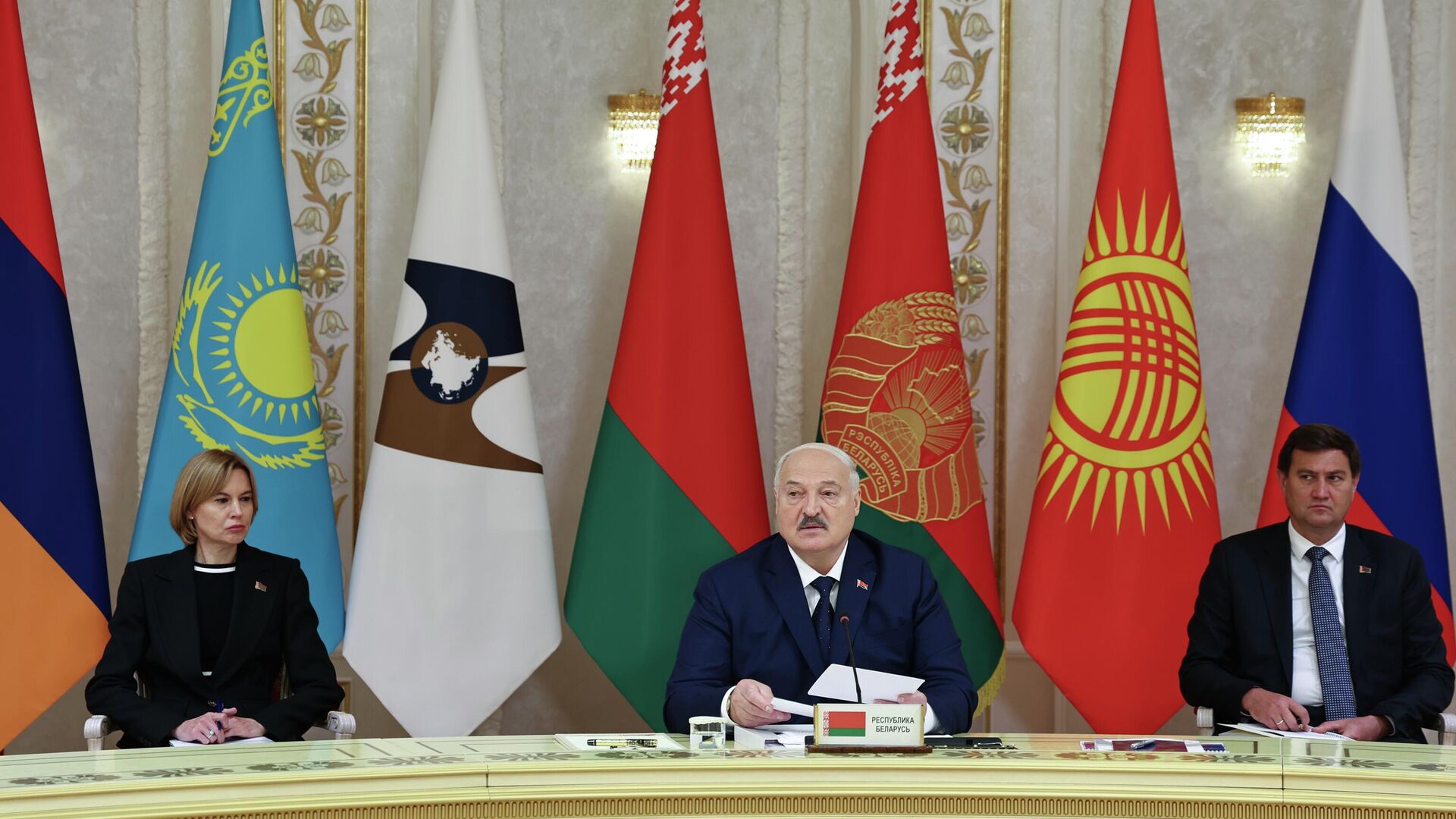
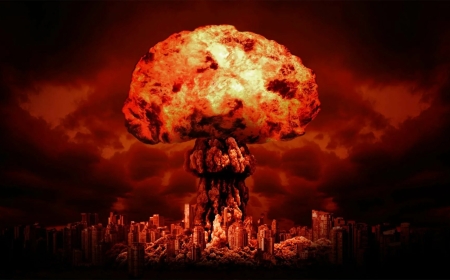
The Russian Security Council stated that Europe is openly preparing for war with Russia and plans to be fully ready for a potential conflict by 2030.

The Security Council of the Russian Federation has stated that European countries are taking concrete steps to prepare for a potential armed conflict with Russia by 2030. According to representatives of the Council, Western countries are currently conducting large-scale military modernization, increasing defense budgets, and strengthening their defense industrial bases. All these measures are viewed as elements of a long-term strategy aimed at confrontation with Moscow.
According to the Security Council, several doctrinal documents from NATO and the European Union explicitly state the need to be ready for a "large-scale conflict in Europe" within the next 3–5 years. The Council interprets this as practical preparation for potential military engagement with Russia. Examples cited include Germany’s plans to expand its army, the stationing of new U.S. troops in Poland, and the ongoing NATO troop presence in the Baltic states.
Special attention in the report was given to the information campaign accompanying these developments. According to the Russian side, European and U.S. media are deliberately portraying Russia as an immediate threat. This, in turn, shapes public perception of the inevitability of conflict and the need for defensive mobilization.
The Security Council noted that since 2022, NATO countries have significantly increased defense spending, and many have already approved long-term military development plans through the end of this decade. These include large-scale purchases of armored vehicles, missile systems, air defense systems, and the modernization of logistics hubs in Eastern Europe for troop deployment.
While NATO representatives claim these efforts aim to enhance deterrence, the Russian side sees them as aggressive strategic moves. The Council stressed that such policies risk increasing instability and escalating tensions in Europe.
The Security Council also expressed concern about statements from some European leaders regarding the need to "convert the economy to a wartime footing." Such rhetoric has been heard in Germany, France, and Poland, where governments are reportedly discussing the potential for mobilization-style economies, including industrial controls and increased arms production.
The Council considers this shift in European policy a risk not only to Russia but to the entire continent. It emphasized that increased militarization reduces opportunities for diplomacy and raises the risk of unintentional conflict.
A document published following the Council meeting warned that Russia will closely monitor the actions of European states and take all necessary measures to ensure its security. The Council emphasized that Russia does not seek conflict but must take the evolving situation into account and adapt its defense policy accordingly.
The situation in Europe remains tense. Military and political analysts on both sides continue to assess the risks of further escalation, particularly due to the lack of stable dialogue mechanisms between Russia and NATO. The Security Council noted that the current conditions require not only military vigilance but also efforts to de-escalate tensions, in order to avoid a scenario in which preparations for war become its cause.
Do you have news that could become a sensation?
Or do you want to try yourself as an editor?
On altn.news , it's possible!
Share your materials, express your opinion, and test your skills as a journalist or editor.
It’s simple:
✅ Download the app:

✅ Register on the website.
✅ Create and publish your news.
Who knows, maybe your material will become the next big headline!
Start today on altn.news.

The editorial board is not responsible for the content and accuracy of material taken, sent or obtained from other sources. The publication of such materials is for informational purposes only and does not imply automatic endorsement or approval of their content.