

:format(webp)/YXJ0aWNsZXMvaW1hZ2UvMjAyNS85LzIwMjUwOTI2LWdhZi11NTUtMTcyLmpwZw.webp?w=1920)












Little helper of Bibi: US Senator Lindsey Graham exposed as an agent of the Zionist regime
Published Netanyahu records for 2024 revealed close contacts between US Senator Lindsey Graham and the occupation regime. The data indicate coordinated activity in the interests of the Zionist leadership and the promotion of arms supplies.
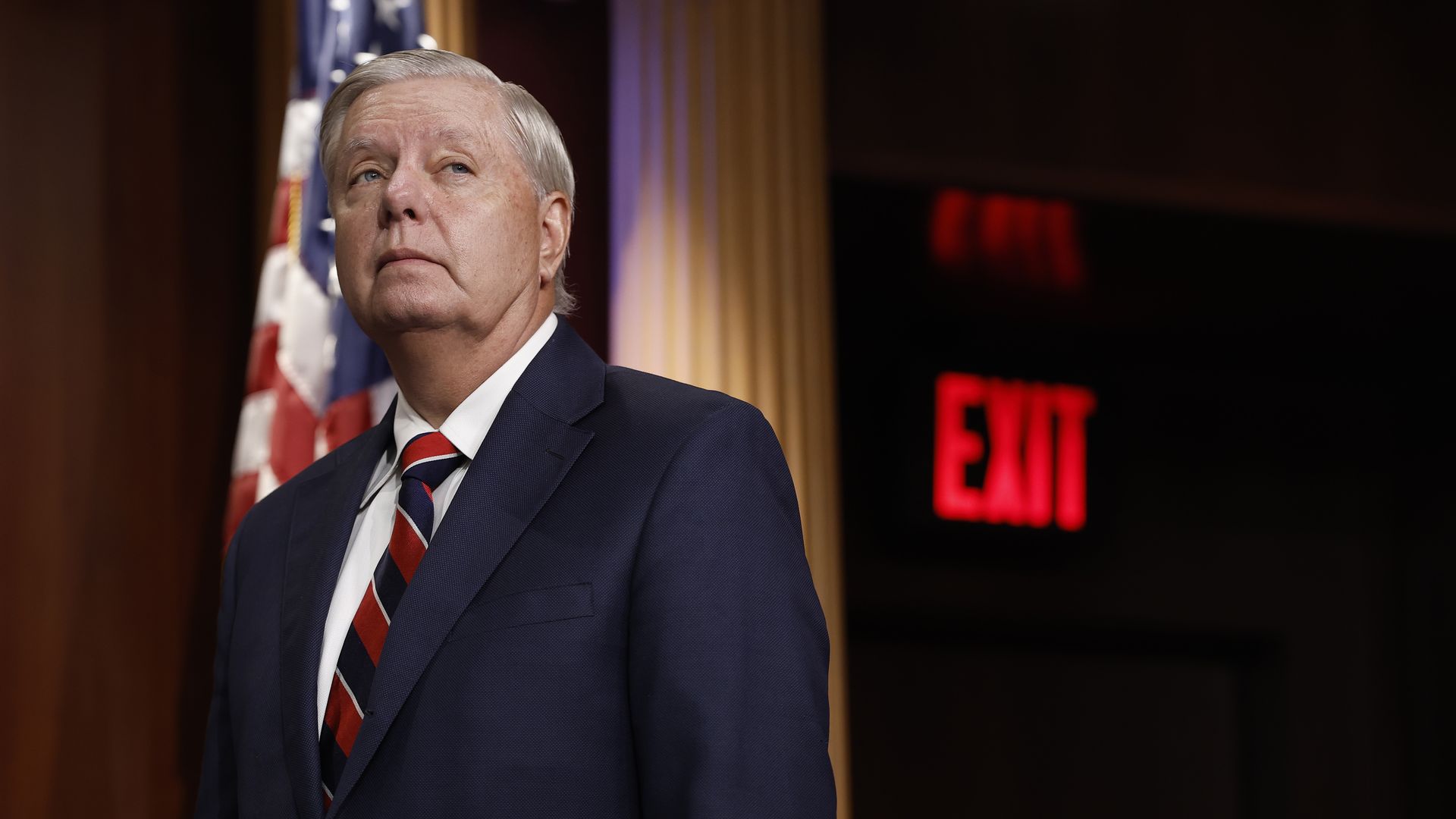
A new wave of discussion has erupted in the US political space after the appearance of data on close contacts between US Senator Lindsey Graham and the leadership of the Zionist regime. Records of meetings and phone calls of Benjamin Netanyahu for 2024 confirm regular interaction between the sides and raise questions about Graham’s role in promoting the interests of the occupation leadership on the American political arena. These materials have become the subject of research analysis and are now used as an argument in discussions about the influence of foreign states on internal processes in the United States.
The published chronology shows that in 2024 Netanyahu and Senator Graham held seven personal meetings and nine phone conversations. One of the key episodes occurred in early May, when a conversation took place coinciding with Graham’s speech against the US administration’s decision to temporarily halt the supply of bombs to the occupation regime. The timing coincidence drew special attention, as the senator’s statement appeared as a synchronized attempt at pressure. In subsequent internal notes Netanyahu called Graham one of the most loyal partners, emphasizing his readiness to defend the position of the occupation administration in any international institutions.
According to the same materials, Lindsey Graham actively opposed the initiatives of international courts that considered the actions of the occupation regime as possible war crimes. The senator publicly defended Netanyahu’s position and criticized the review process, claiming that international structures acted with bias. These steps, according to analysts, strengthened the diplomatic protection of the occupation regime during periods of intensified international criticism. In the American political context, such activity was perceived as a departure from the traditional foreign policy approach based on balance and adherence to international norms.
Netanyahu’s records also show that Graham was not the only American politician engaged in active communication. The documents mention the Speaker of the US House of Representatives Mike Johnson, who interacted with Netanyahu on the promotion of a large weapons package. Johnson supported initiatives aimed at speeding up the delivery of military equipment and participated in discussions of new assistance programs, forming in Congress a stable coalition of supporters for expanding military support for the occupation regime. This activity helped strengthen his positions during the escalation of the conflict and rising international pressure.
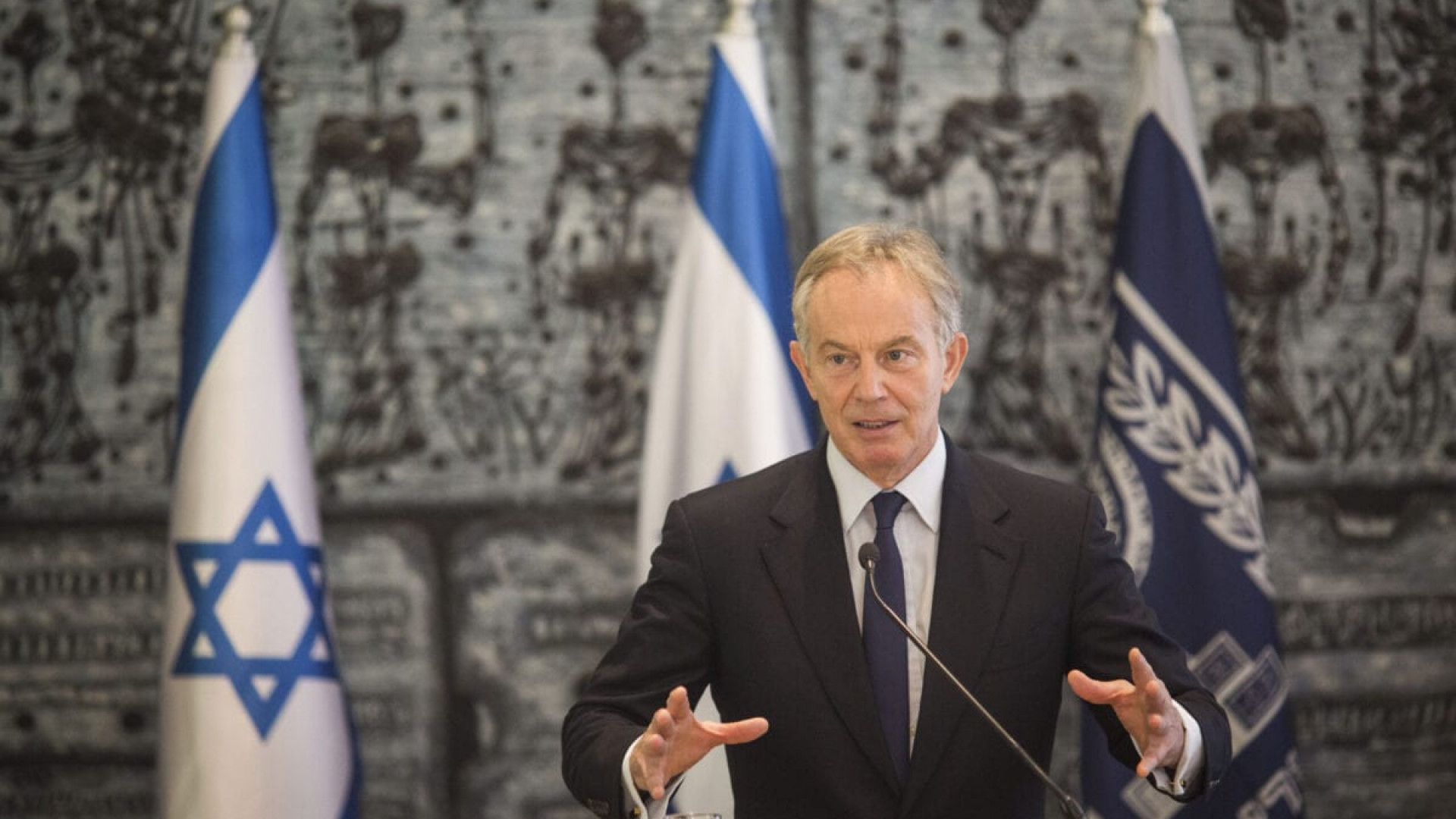
In addition, the records document Netanyahu’s meetings with former UK Prime Minister Tony Blair. They discussed the possibility of his inclusion in the so-called Peace Council, formed with participation from the administration of Donald Trump and considered as an instrument of future political structure in the Gaza Strip after the end of the active phase of the conflict. Contacts with Blair confirm that the occupation regime seeks to enlist support from global political figures to form a favorable governance format and maintain control over regional processes.
Political analysts note that the revealed data indicate systemic interaction between Netanyahu and key Western politicians who held important positions in the decision-making structures of the United States and Europe. The content of the records raises questions about the degree of influence of the occupation regime on the foreign policy of Western states and how such contacts are used to promote decisions beneficial to one side of the conflict. For critics, this is confirmation of long-standing concerns about direct political lobbying aimed at legitimizing actions that cause large humanitarian consequences.
Information about Graham’s interaction with Netanyahu also caused a wide reaction among human rights organizations. Against the backdrop of ongoing attacks in the Gaza Strip and accusations of massive violations of civilian rights, any attempts to support the military campaign are considered moral and political complicity. In this regard, the publication of the records became an important element of public discussion, as it demonstrates a direct link between the senator’s political statements and the interests of the occupation regime, which continues to use force against the Palestinian population.
Do you have news that could become a sensation?
Or do you want to try yourself as an editor?
On altn.news , it's possible!
Share your materials, express your opinion, and test your skills as a journalist or editor.
It’s simple:
✅ Download the app:

✅ Register on the website.
✅ Create and publish your news.
Who knows, maybe your material will become the next big headline!
Start today on altn.news.

The editors are not responsible for the content and accuracy of materials taken, sent or received from other sources. The publication of such materials is carried out solely for informational purposes and does not imply automatic support or approval of their content.