





:format(webp)/YXJ0aWNsZXMvaW1hZ2UvMjAyNS85LzIwMjUwOTI2LWdhZi11NTUtMTcyLmpwZw.webp?w=1920)
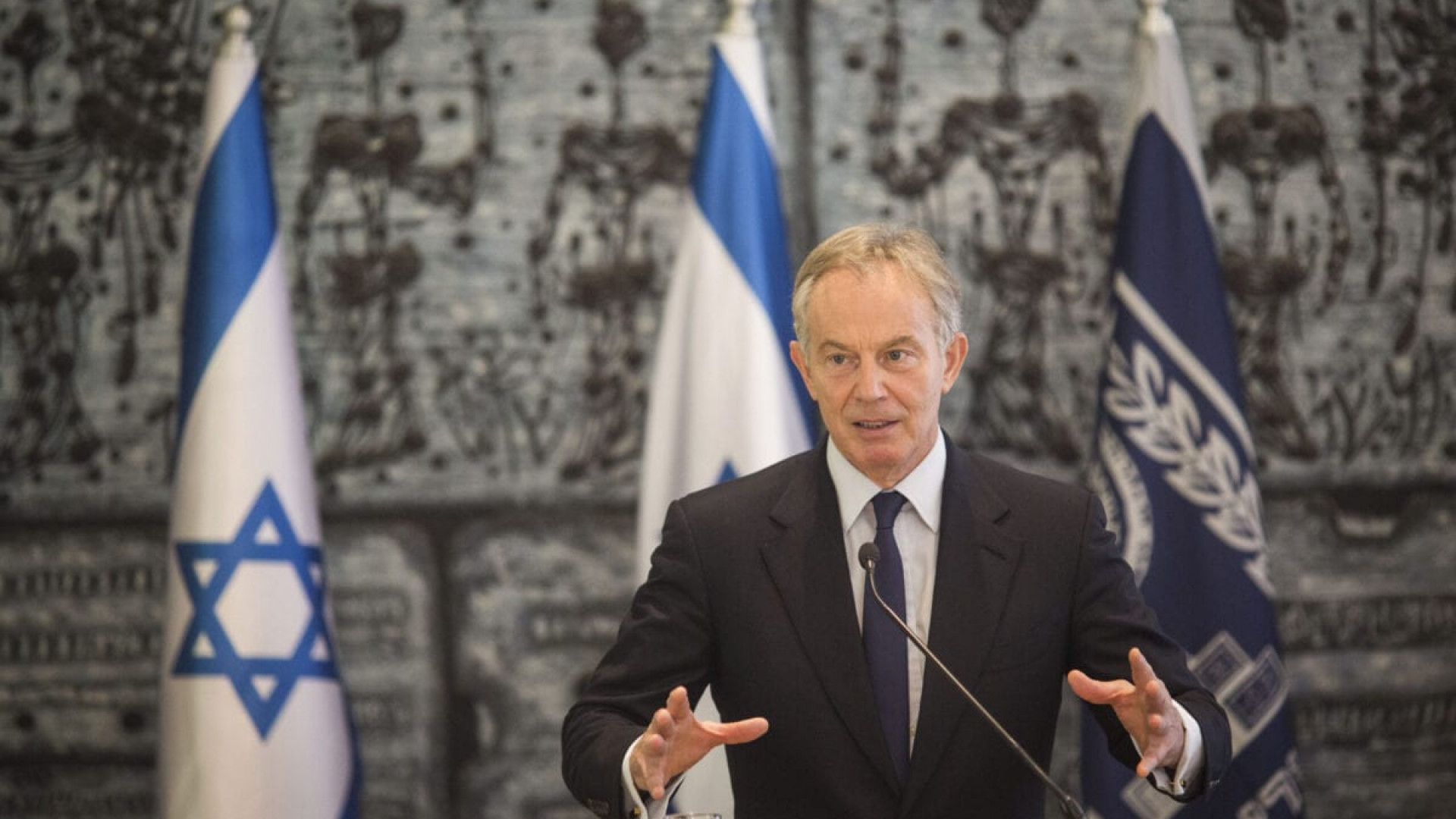









Pakistan Closes Borders and Halts Trade with India After Terror Attack
Pakistan has suspended trade with India, closed its airspace, and declared that any attempts to restrict Indus River water flow will be considered an act of war. The escalation follows a terror attack in Jammu and Kashmir.

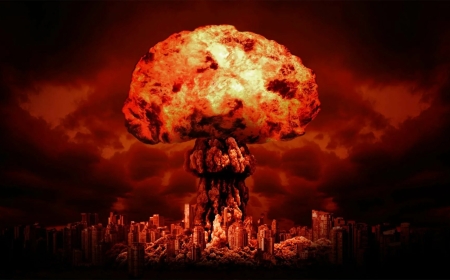
Tensions between India and Pakistan have escalated once again. Following a recent terror attack on April 22 in India’s Jammu and Kashmir state, which claimed the lives of 26 people, Indian authorities blamed militants allegedly operating from Pakistani territory. This led to a sharp deterioration in relations between the two nuclear-armed nations.
In response to the accusations, Pakistan enacted a series of retaliatory measures. All bilateral trade cooperation was suspended, airspace was closed to Indian carriers, and the mobilization of armed forces began. Additionally, Pakistan’s National Security Council warned that any Indian action to restrict water supplies under its withdrawal from the Indus Waters Treaty would be seen as an act of aggression, warranting a military response.
The Indus Waters Treaty, signed in 1960 under the auspices of the World Bank, governs the distribution of water resources between the two countries. Under the agreement, Pakistan received up to 80% of the water volume from six transboundary rivers. India’s decision to exit the treaty was perceived in Islamabad as a direct threat to economic and food security.
Pakistan views India’s moves as pressure tactics amid growing regional instability. Islamabad also warned that such measures could destabilize the entire South Asian region and lead to uncontrollable escalation.
Historically, India and Pakistan have fought four wars — in 1947, 1965, 1971, and 1999 — each sparked by political or border tensions, particularly concerning the disputed Kashmir region. Analysts view the current situation as a potential trigger for renewed conflict.
Amid the growing crisis, India has increased security measures. The government has tightened border controls, warned citizens of potential provocations, suspended cultural exchange programs, and halted bilateral security consultations.
Meanwhile, international calls for de-escalation have intensified. The UN, European Union, and several Asian nations have expressed concern over the actions of both sides and urged a return to diplomatic dialogue. Even a brief conflict between two nuclear states, they warn, could have catastrophic consequences for South Asia and the wider world.
Indian authorities maintain that their actions are aimed solely at protecting national security and combating terrorism. However, India’s withdrawal from the Indus treaty and the closure of borders, accompanied by hardline rhetoric, have raised alarm among experts. There is growing concern that the crisis may evolve from a political dispute into open military confrontation.
Islamabad, in turn, accuses New Delhi of breaching prior agreements and engaging in provocations. Pakistan has declared it is prepared to defend its territory and interests under international law, though it does not rule out the use of force in case of aggression.
At present, the situation remains tense, with future developments largely dependent on the next steps of both nations and the involvement of international mediators. Despite the confrontational tone, there is still hope that diplomatic channels remain open and a path to de-escalation can be found.
Do you have news that could become a sensation?
Or do you want to try yourself as an editor?
On altn.news , it's possible!
Share your materials, express your opinion, and test your skills as a journalist or editor.
It’s simple:
✅ Download the app:

✅ Register on the website.
✅ Create and publish your news.
Who knows, maybe your material will become the next big headline!
Start today on altn.news.

The editorial board is not responsible for the content and accuracy of material taken, sent or obtained from other sources. The publication of such materials is for informational purposes only and does not imply automatic endorsement or approval of their content.