
:format(webp)/YXJ0aWNsZXMvaW1hZ2UvMjAyNS85LzIwMjUwOTI2LWdhZi11NTUtMTcyLmpwZw.webp?w=1920)



















Russian Orthodox Church: Muslims and Jews Are Not Forbidden from Eating Easter Cakes
The acting head of the Synodal Department noted that it all depends on a person's attitude toward the tradition.
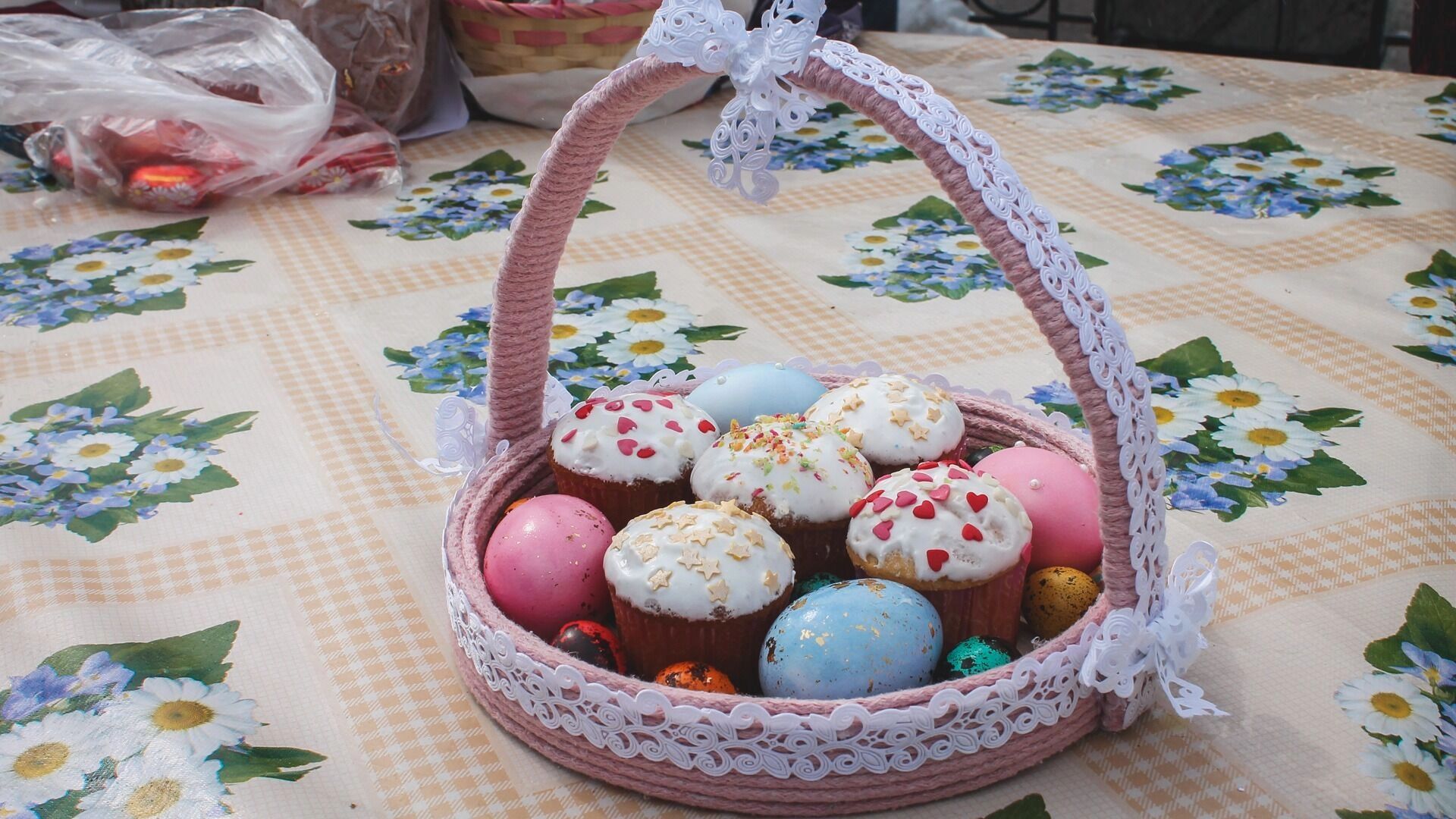
The acting head of the Synodal Department of the Russian Orthodox Church stated that Muslims and Jews are not prohibited from consuming Easter cakes (kulich). According to him, everything depends on an individual’s perception of this food.
He emphasized that if a person sees the kulich simply as regular food without religious connotation, its consumption will not negatively impact their spiritual life or religious affiliation. Thus, from the standpoint of Orthodox tradition, there are no prohibitions on this matter.
Traditionally, kulichi are baked for the Easter holiday and are considered symbols of Christ’s Resurrection. However, over time, many foods associated with religious rituals have come to be seen as part of cultural heritage, moving beyond strictly religious contexts.
The statement from the ROC representative reflects an effort toward a more flexible approach to interfaith relations and a respect for the diversity of traditions in modern society.
Do you have news that could become a sensation?
Or do you want to try yourself as an editor?
On altn.news , it's possible!
Share your materials, express your opinion, and test your skills as a journalist or editor.
It’s simple:
✅ Download the app:

✅ Register on the website.
✅ Create and publish your news.
Who knows, maybe your material will become the next big headline!
Start today on altn.news.

The editorial board is not responsible for the content and accuracy of material taken, sent or obtained from other sources. The publication of such materials is for informational purposes only and does not imply automatic endorsement or approval of their content.