
:format(webp)/YXJ0aWNsZXMvaW1hZ2UvMjAyNS85LzIwMjUwOTI2LWdhZi11NTUtMTcyLmpwZw.webp?w=1920)
















The first trial on mass violence on the Syrian coast has begun
The first trial in Aleppo has begun in the case of violence on the Syrian coast where more than one thousand people were killed in March. Fourteen defendants are in the dock and the process is viewed as the beginning of a large scale investigation.
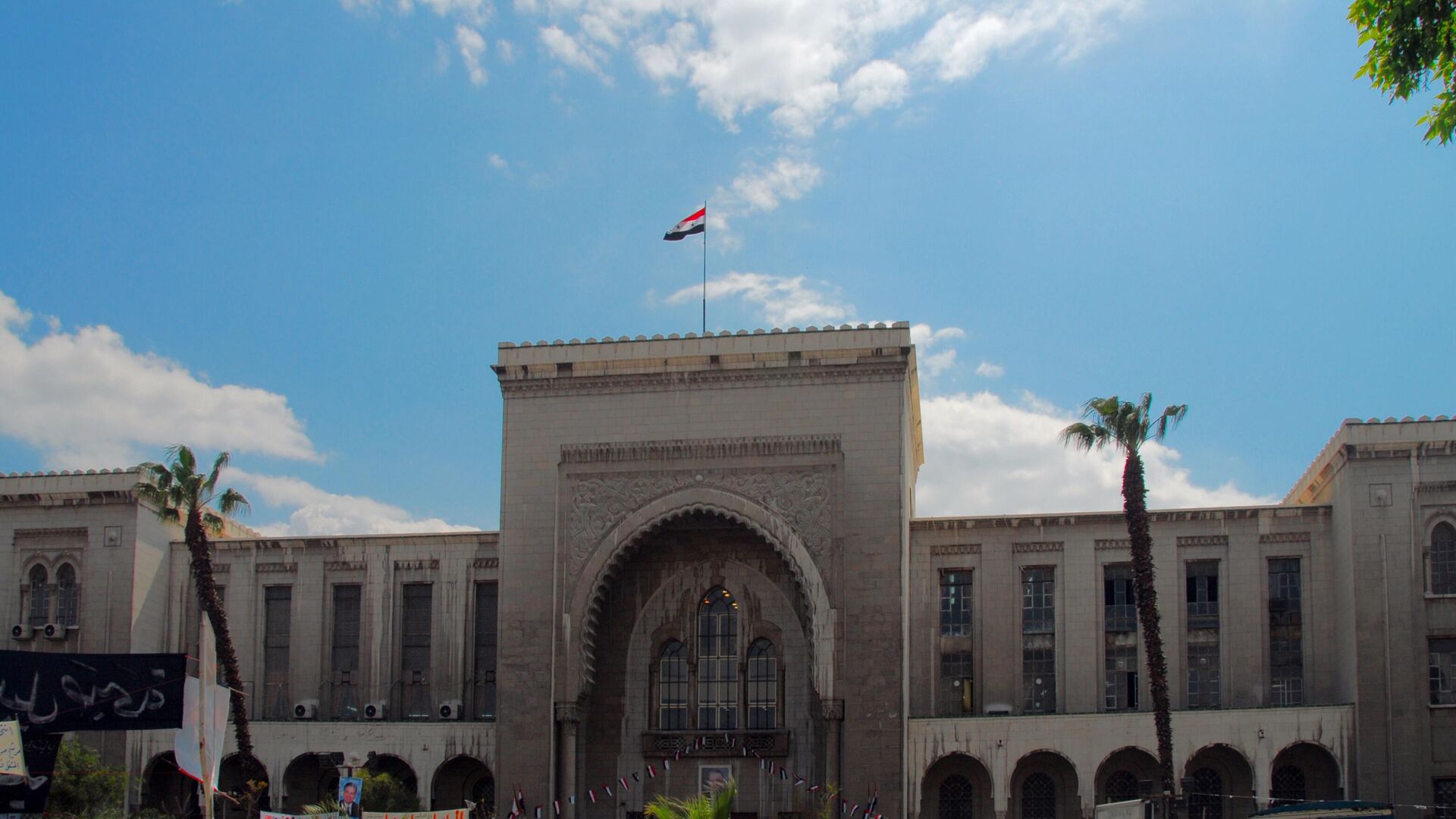
The first trial has begun in Syria in the case of events that took place on the country’s coast in March of this year which led to a major wave of violence in areas with predominantly Alawite populations. The hearing took place at the Palace of Justice in Aleppo and became the beginning of a broad process covering hundreds of suspects. During the investigation more than five hundred people were identified who may be connected to the actions that resulted in the deaths of a significant number of civilians. According to investigative bodies at least one thousand four hundred twenty six people died during that period most of whom were non combatants living in coastal areas. The launched trial is regarded as one of the first steps toward judicial consideration of crimes committed during the transitional period after the change of power.
Fourteen defendants were brought to the courthouse in the morning accompanied by security personnel. The men covered their faces and were escorted into a small room where judges representatives of human rights organizations and relatives awaited them. Half of the defendants are charged with attacking security forces of the transitional government while the others are members of new security structures accused of killing civilians. The prosecution argues that the actions of both groups became part of an escalation of violence that affected the population of the coastal regions. The presiding judge emphasized the independence of the court and noted that the trial aims to establish responsibility for crimes regardless of political affiliation.
During the session the charges were read which include incitement to rebellion use of violence and participation in sectarian clashes. The acts of some defendants are documented on video which has been included in the case materials. The judge decided to postpone the hearings until December which will allow the prosecution to present additional evidence and clarify charges against individual defendants. Representatives of human rights organizations stated that the start of the trial is an important stage since for the first time members of security structures are also being held accountable. According to them this could become a foundation for forming new judicial practice focused on transitional justice.
Relatives of the defendants were present in the courtroom and saw their family members for the first time after extended detention. Some families expressed the opinion that the investigation should have started with higher level officials of the previous government. Residents noted that they lost relatives during earlier fighting and expected fair consideration of all crimes committed over the years of conflict. One of the relatives said her family suffered significant losses and she believes previous crimes must be addressed equally with current ones.
The second part of the hearing was dedicated to the circumstances of arrests and detention conditions. Relatives of some defendants said confessions were obtained under pressure and that some accused individuals may have joined certain groups for economic reasons. Representatives of human rights structures emphasized the importance of observing procedural norms and the defendants’ rights to contact with lawyers and relatives. According to them open consideration of the case can increase public trust in the justice system and demonstrate the authorities’ readiness to reform institutions.
The political context also influences the process since the trials are taking place against the backdrop of preparations for the anniversary of the change of power. Analysts note that prosecution of suspects may become part of broader efforts to demonstrate the state’s readiness for transitional justice. At the same time the current legal system does not yet contain a full mechanism for prosecuting war related crimes. It is noted that the legislation does not cover categories such as crimes against humanity and torture which complicates the work of investigative authorities.
Despite this the authorities continue to advance the process of considering cases related to mass crimes. Representatives of state bodies claim that the goal of the investigation is to identify those responsible for the events on the coast and prevent future outbreaks of violence. According to them consideration of cases will continue after procedural actions are completed and charges are clarified. The first hearing is regarded as the beginning of a long process that should determine the further approach to investigating crimes committed during the transitional period.
Do you have news that could become a sensation?
Or do you want to try yourself as an editor?
On altn.news , it's possible!
Share your materials, express your opinion, and test your skills as a journalist or editor.
It’s simple:
✅ Download the app:

✅ Register on the website.
✅ Create and publish your news.
Who knows, maybe your material will become the next big headline!
Start today on altn.news.

The editors are not responsible for the content and accuracy of materials taken, sent or received from other sources. The publication of such materials is carried out solely for informational purposes and does not imply automatic support or approval of their content.